LOADING
INTERACTION DESIGNER
CREATIVE TECHNOLOGIST
NEW MEDIA ARTIST






Every great project starts with a conversation. As a media artist exploring interactive storytelling at NYU, I’d love to hear your ideas and see how we can bring them to life.



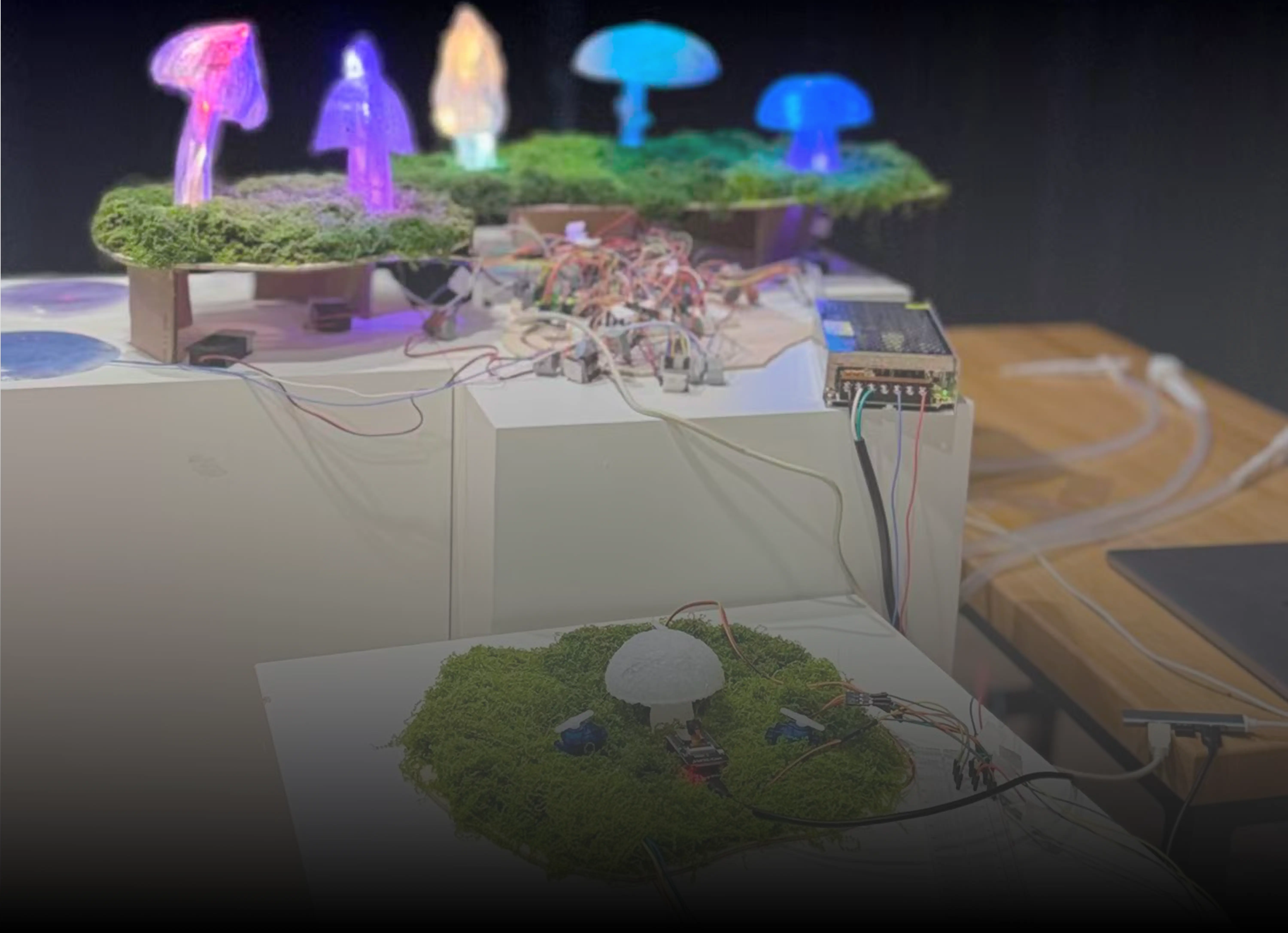
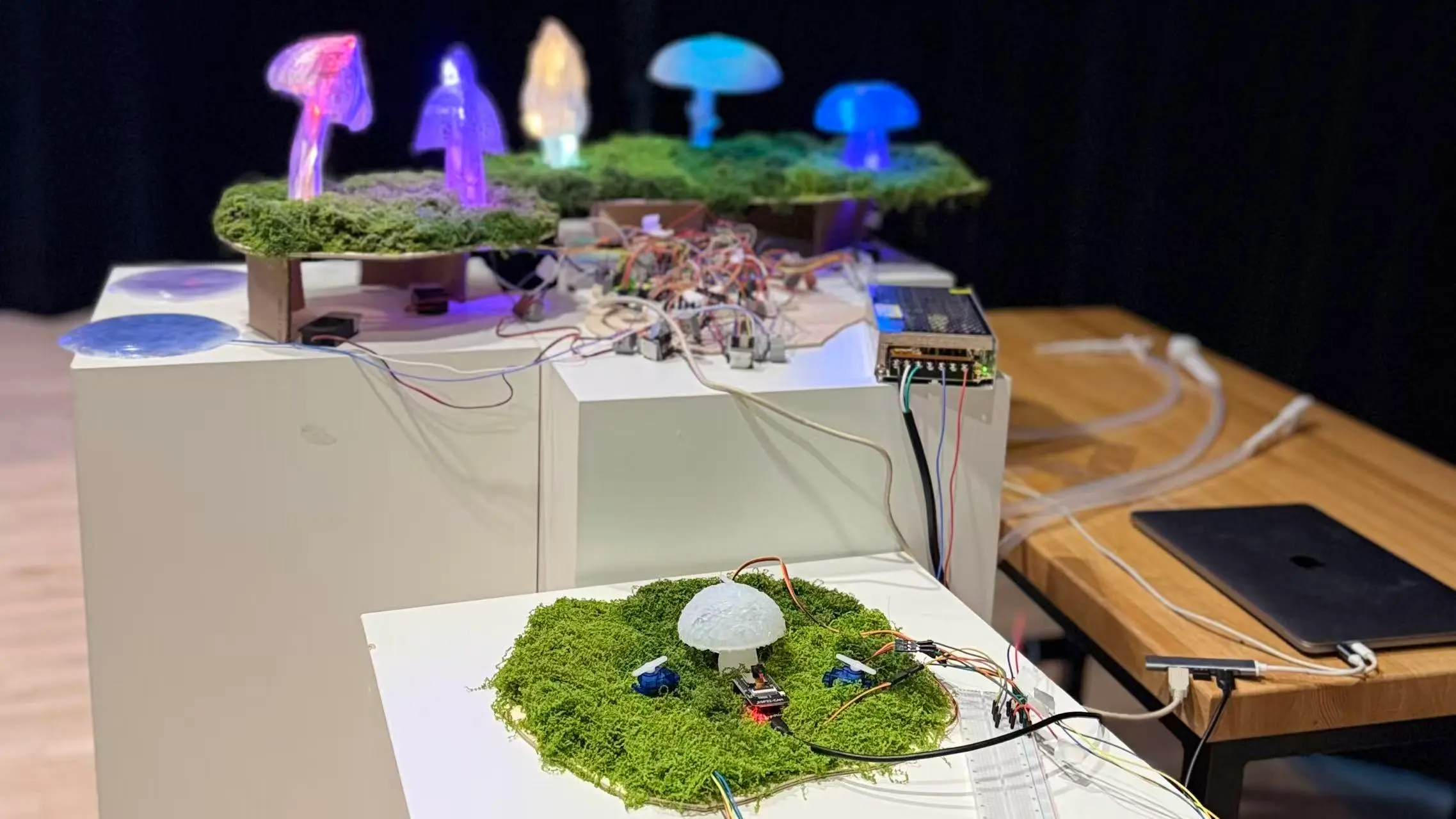
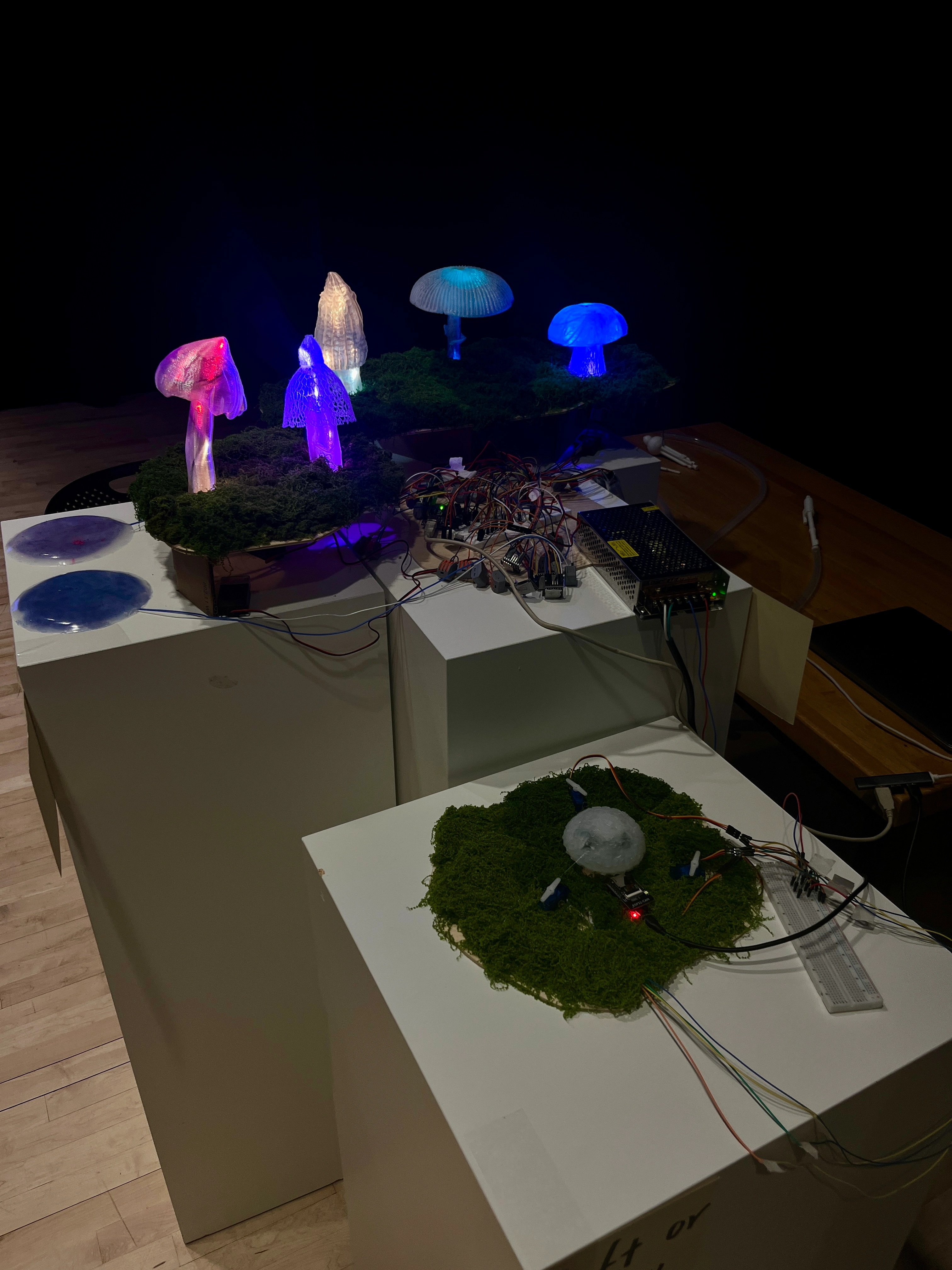
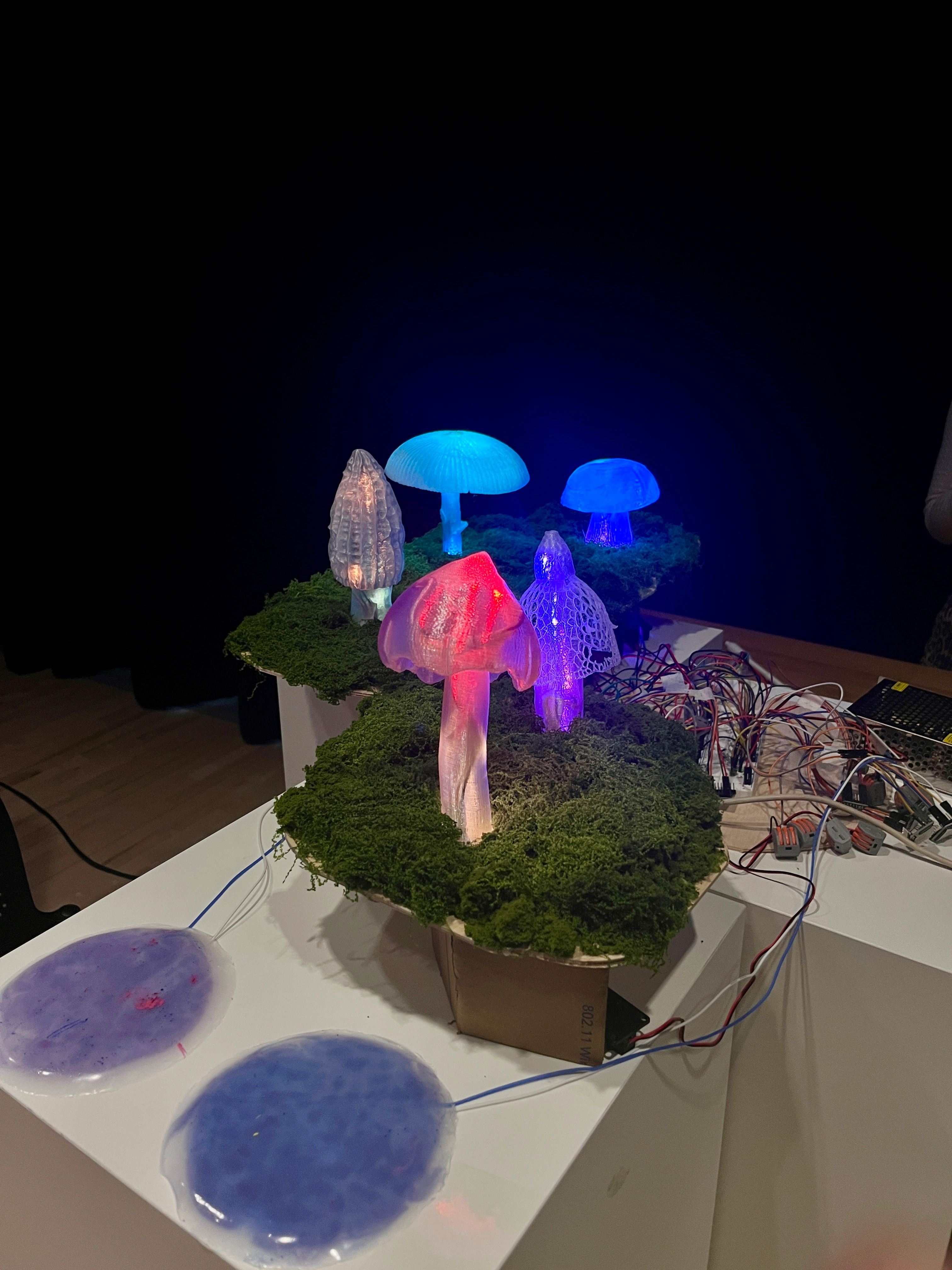
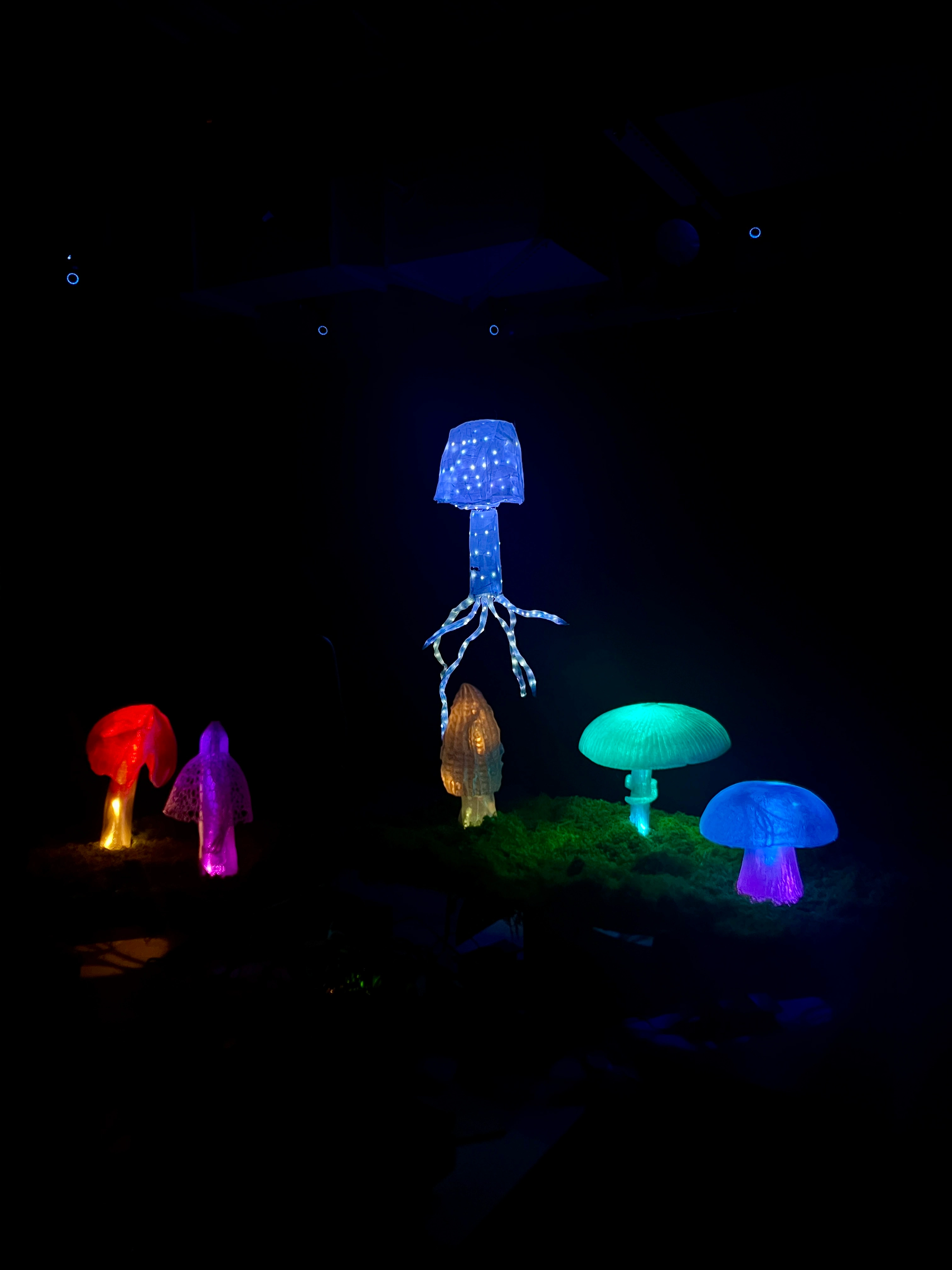
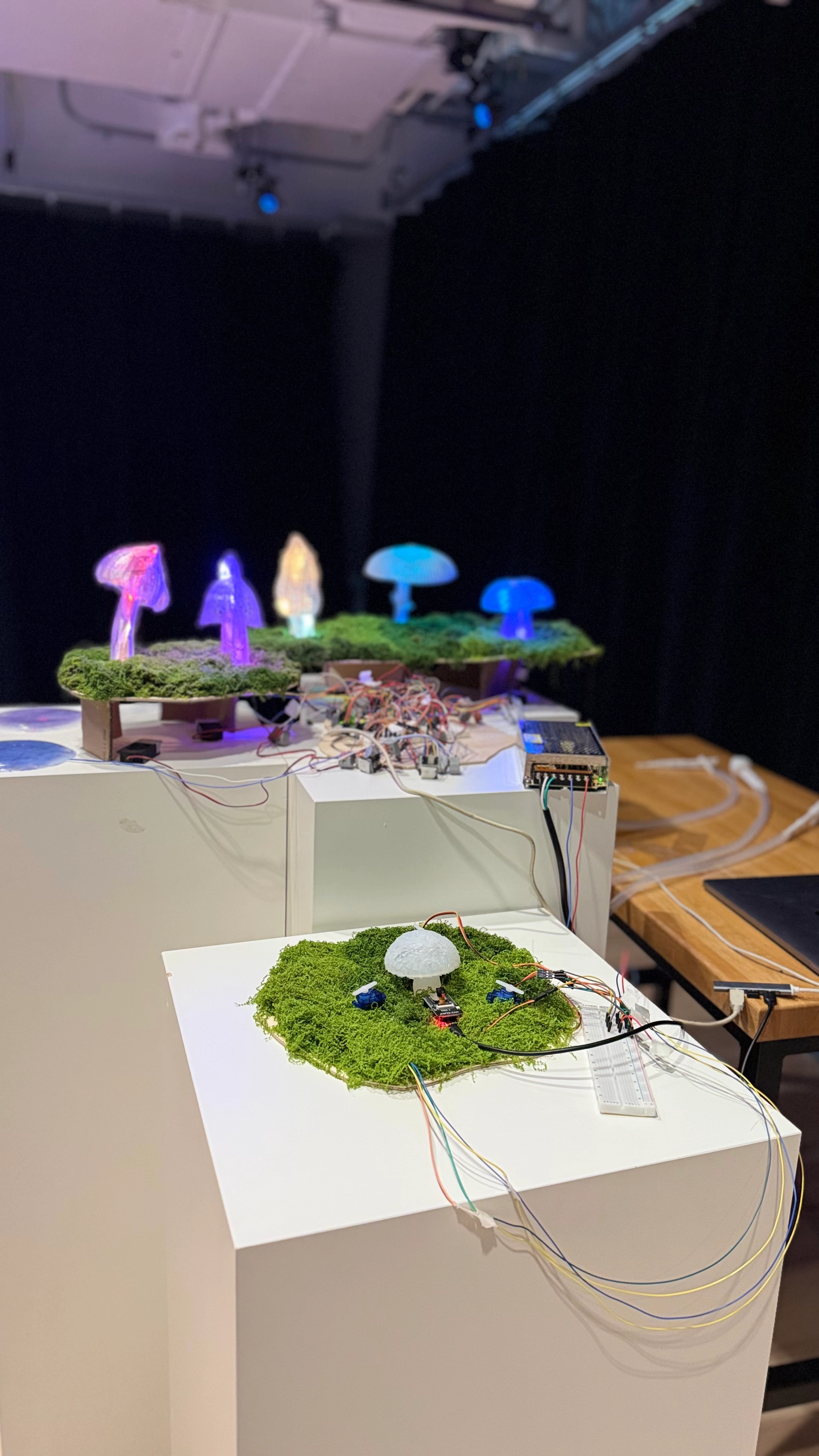
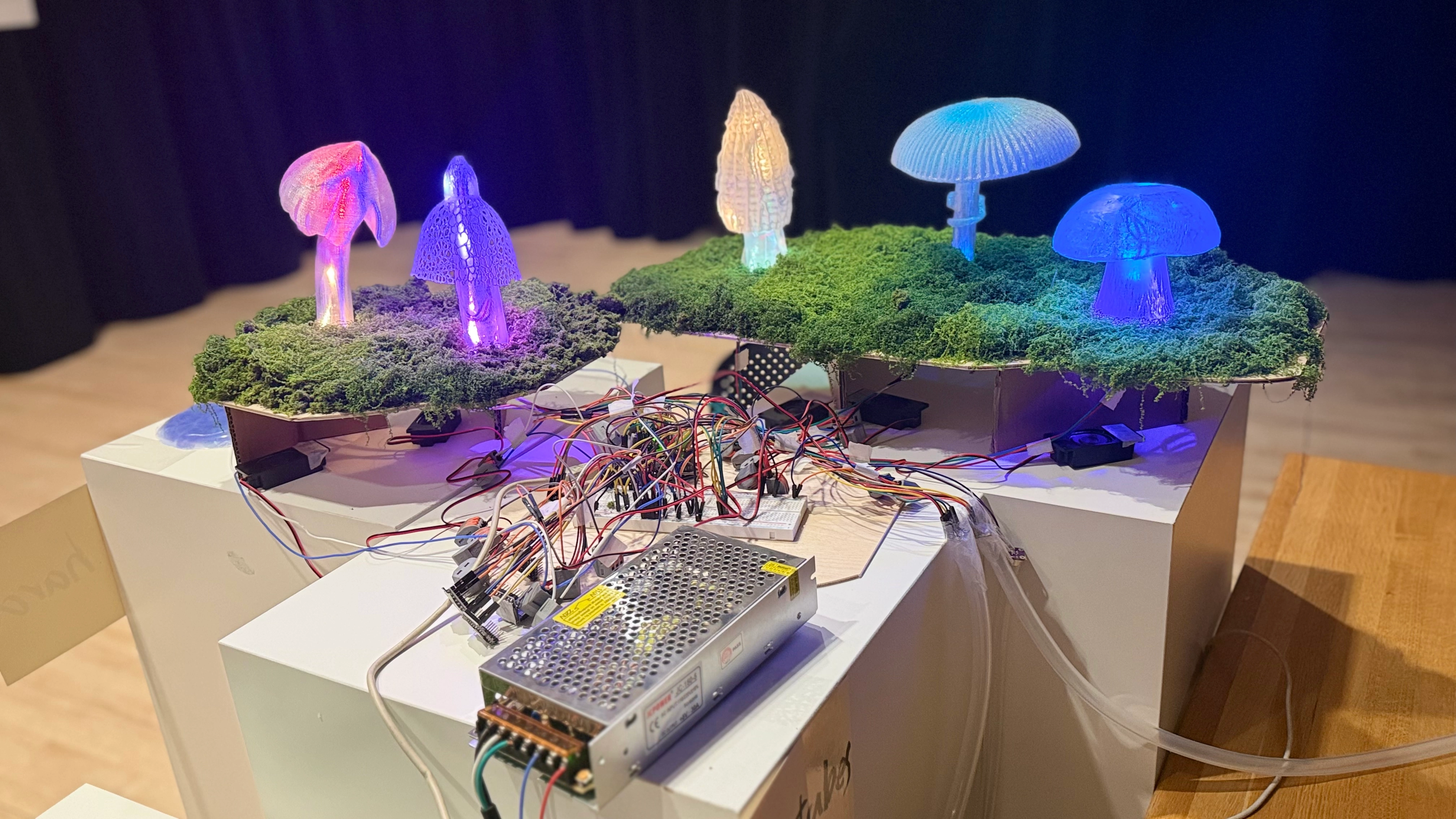
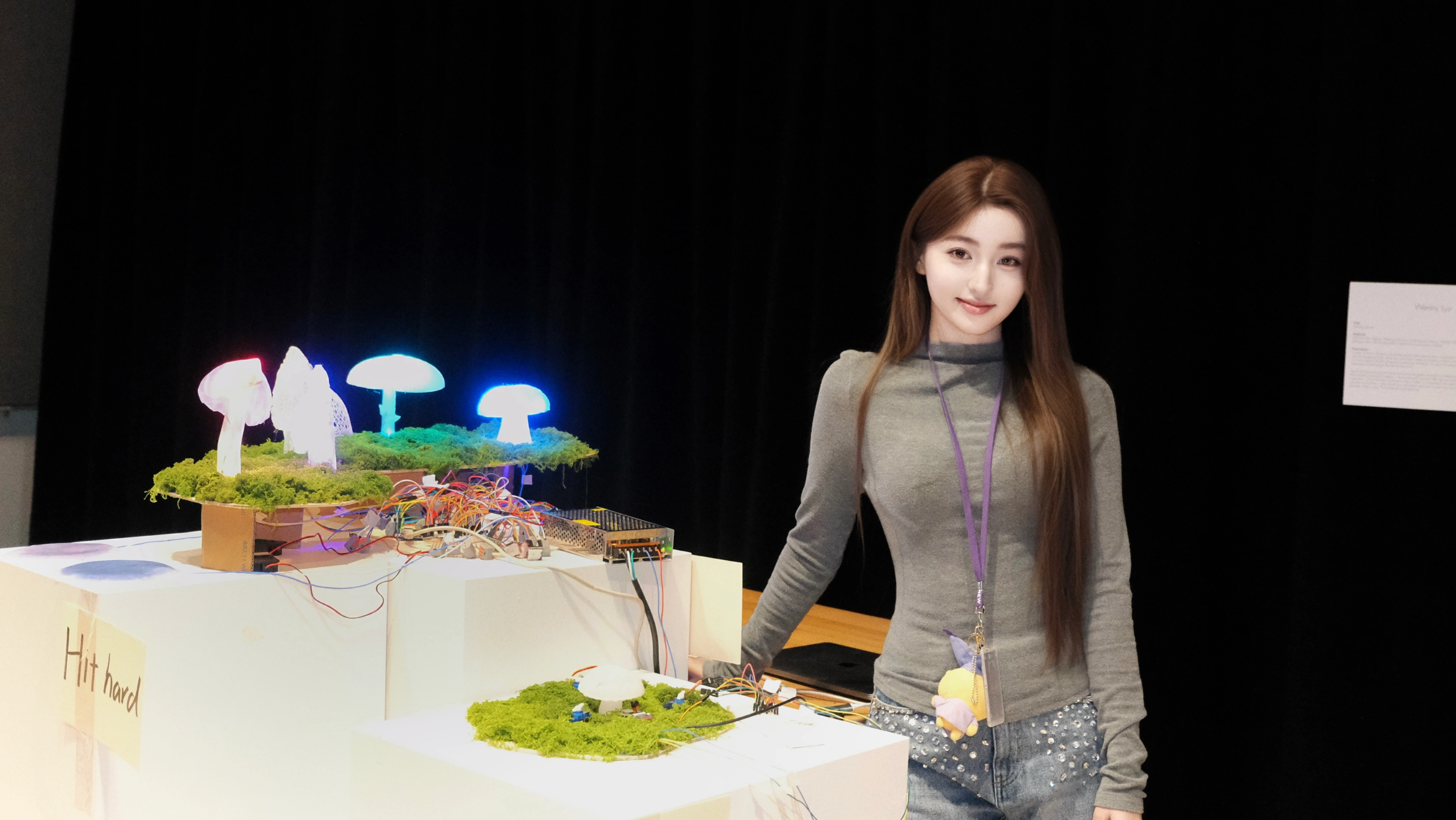
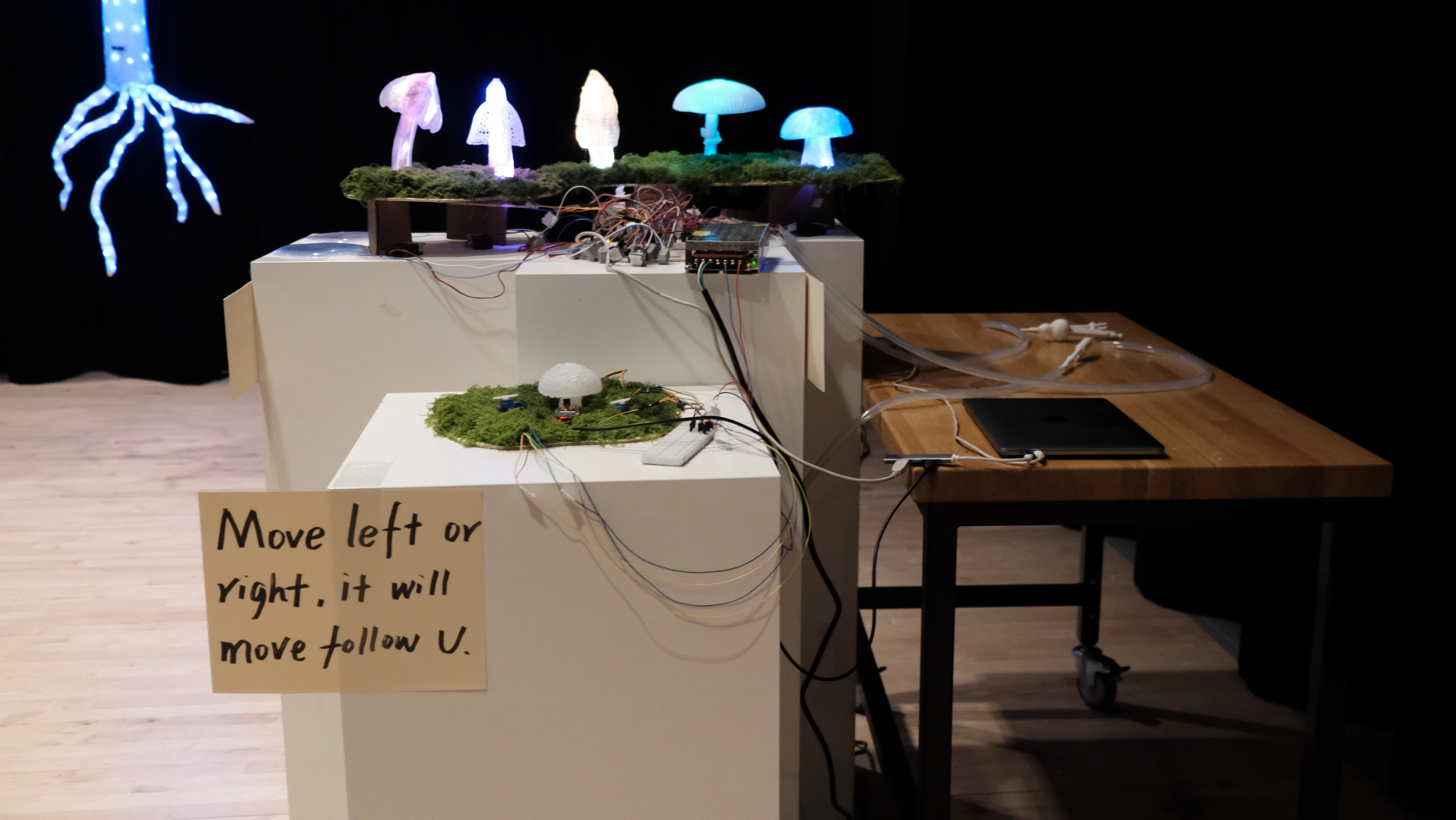
Spore Sentience is an interactive installation that brings together physical computing, biologically inspired fabrication, and the folk culture of Yunnan's ethnic minorities. The installation consists of six mushroom sculptures divided into two groups: Group A features five 3D-printed PLA mushrooms embedded with BMP280 pressure sensors, FSR force sensors, DFPlayer Mini audio modules, and WS2812B LEDs; Group B features one hollow silicone mushroom cast in Ecoflex 00-30 platinum silicone, actuated by SG90 servo motors and fishline tendons, and equipped with an ESP32-CAM module for human presence tracking.
The making process spans 3D modeling and printing, silicone mold casting, circuit soldering, Arduino and ESP32 programming, sensor integration, and audio sampling. All sound samples are drawn from traditional Yunnan folk instruments, including the hulusi, bawu, dizi, and bronze drum.

Yunnan's Mushroom Culture Yunnan, China is home to one of the world's most extraordinary mushroom cultures — where wild fungi are simultaneously food, medicine, and myth. Among dozens of ethnic minorities, mushrooms have long existed at the boundary between the natural and the uncanny, inspiring folklore, ritual, and a rich tradition of folk instruments spanning wind and percussion.
The Mushroom as a Sensing Body Rather than displaying mushrooms as passive objects, Spore Sentience reimagines them as living, sensing entities — ones that hear your breath, feel your strike, and lean toward your presence. The installation asks: what if the forest was already watching?
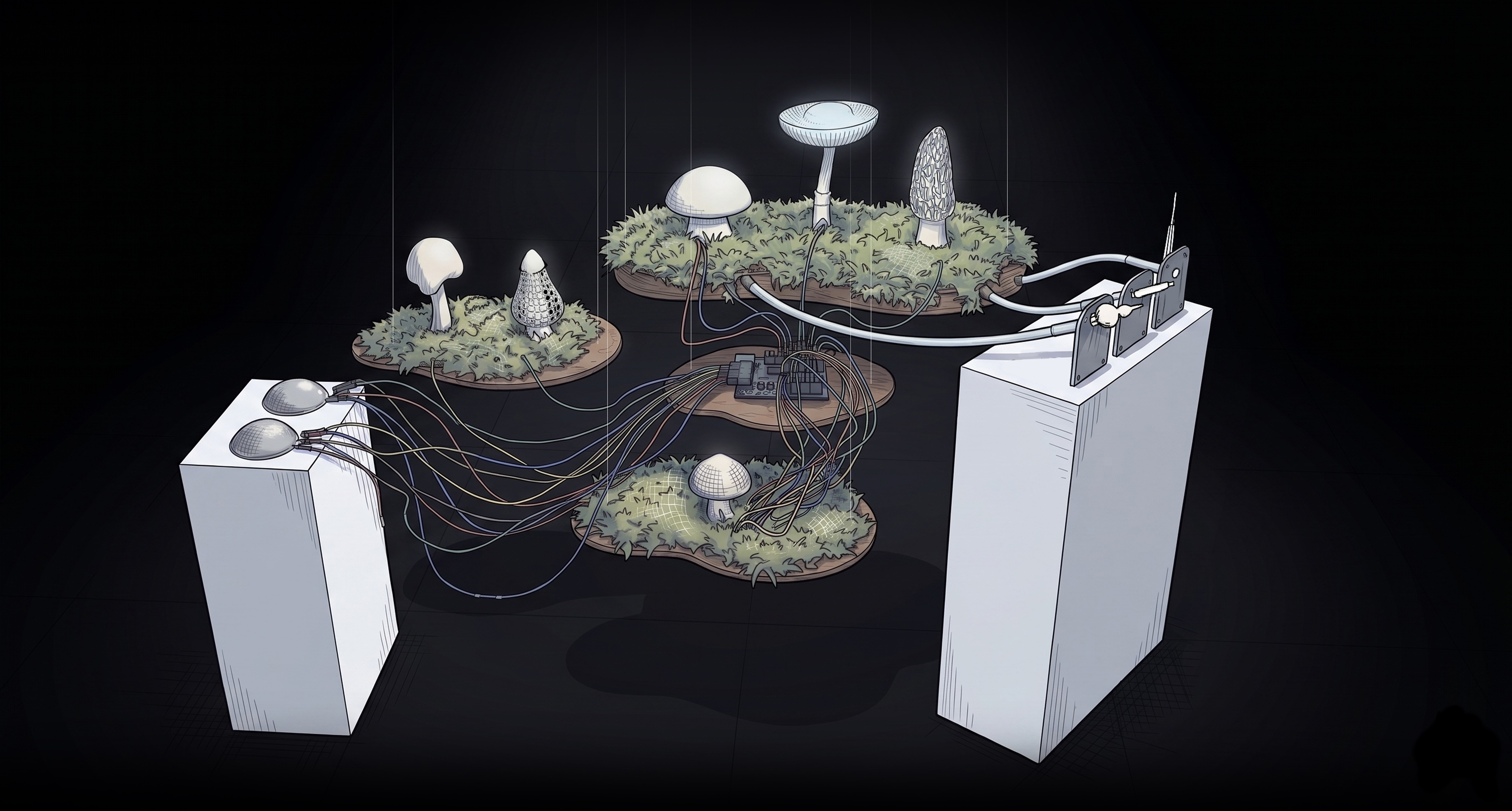


3D-printed instrument models connected via rubber tubes — blow to trigger sound + light
FSR sensors beneath mushroom caps — strike to trigger percussion + light
ESP32-CAM on cap detects viewer position — mushroom tilts toward you via servo + fishline
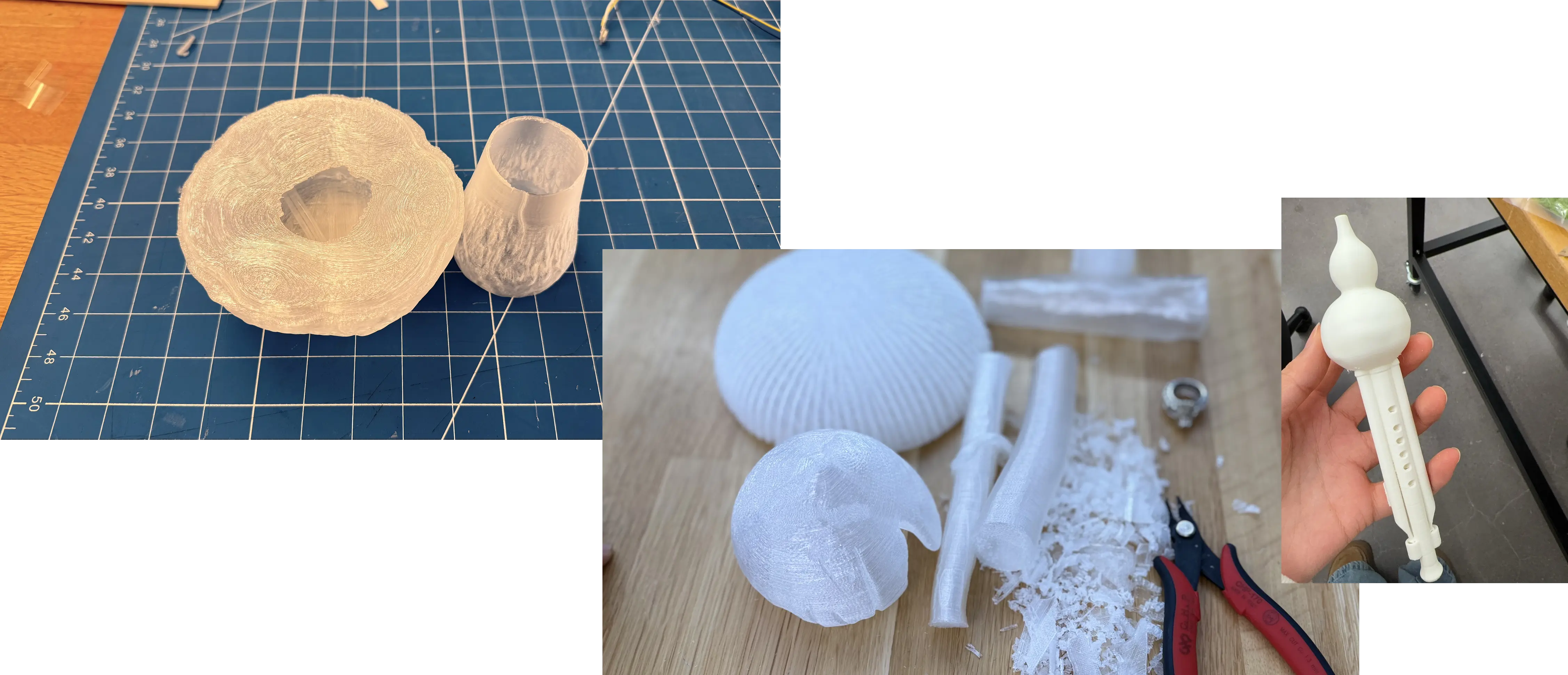
The Mushroom as a Sensing Body Rather than displaying mushrooms as passive objects, Spore Sentience reimagines The mushroom caps and stems were modeled in Bambu Studio and printed in PLA. Each form was designed with structural precision — the silicone mushroom molds required hollow inner cores with three 2mm wire channels embedded at 120° intervals to accommodate the tendon-driven actuation system.
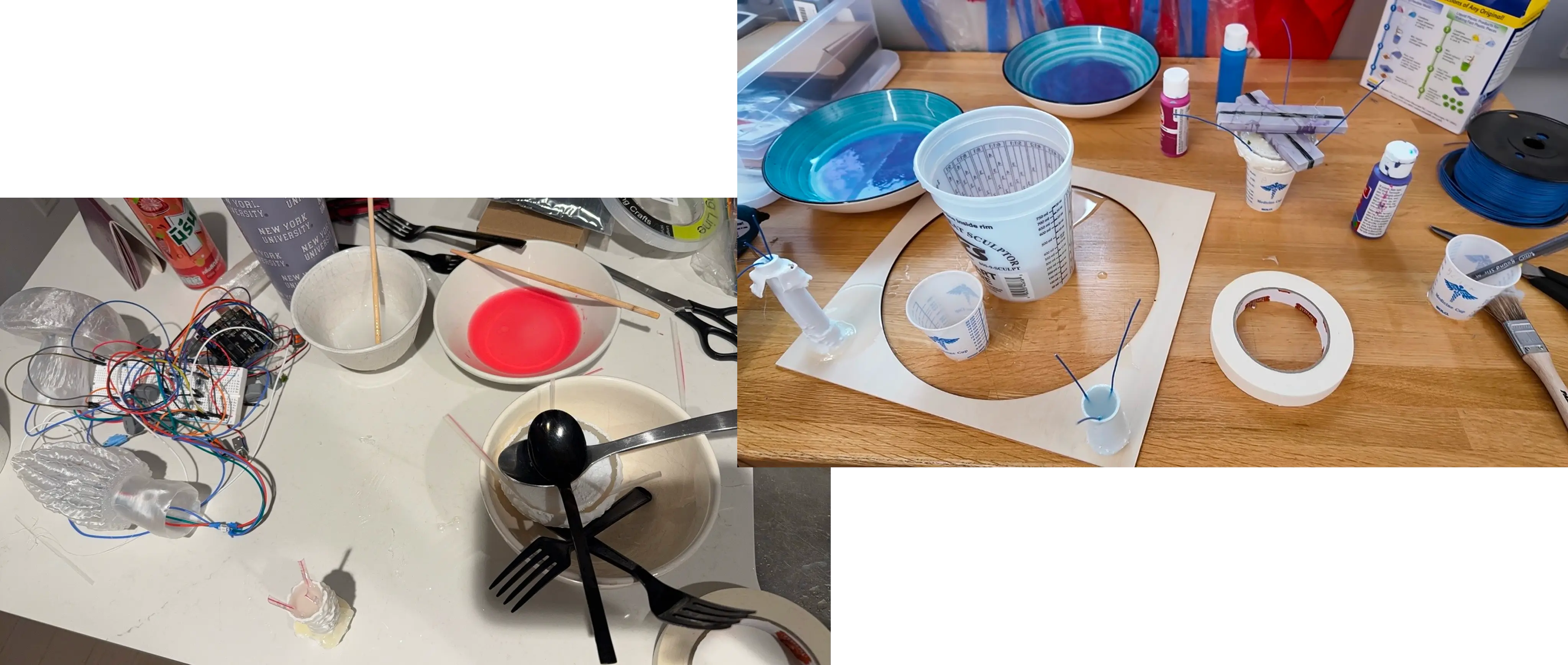
The caps and stems were cast separately using Ecoflex 00-30 platinum silicone, poured into 3D-printed outer molds with removable inner cores. Once cured, the PLA cores were manually broken apart and extracted, leaving a fully hollow, flexible structure. The two parts were then bonded with fresh silicone.
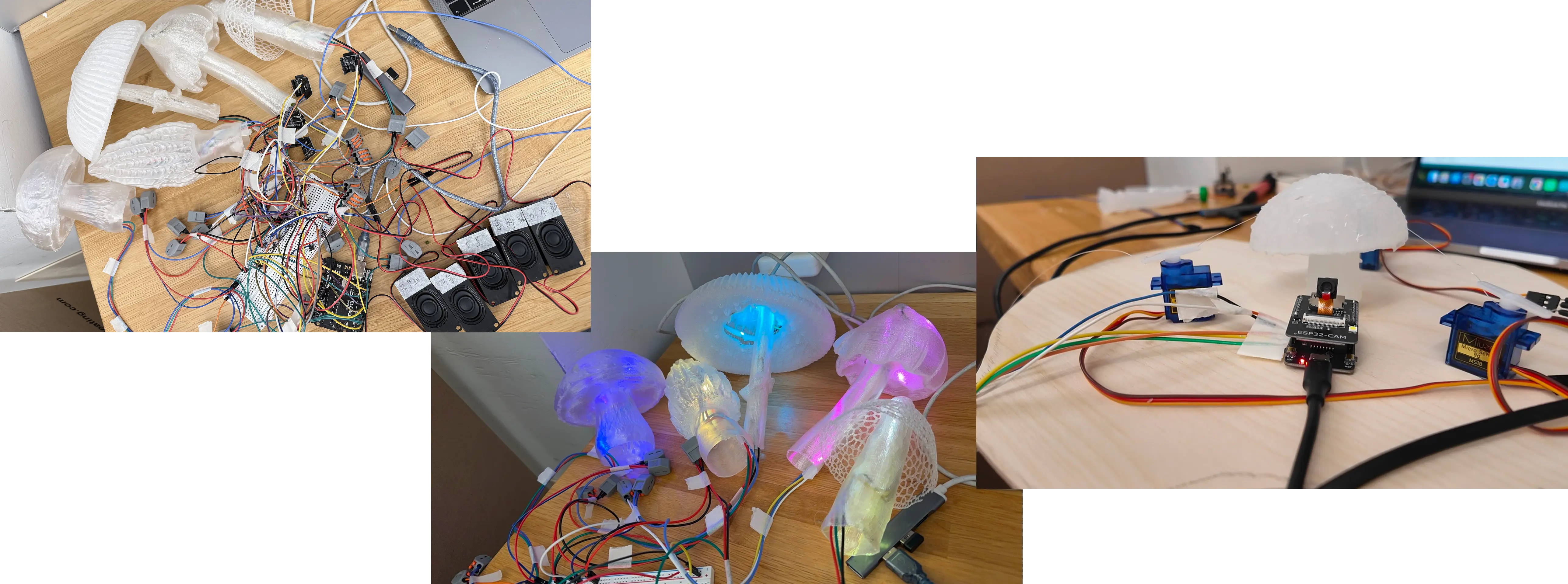
Each mushroom unit contains an independent electronic system — BMP280 pressure sensors, FSR force sensors, DFPlayer Mini audio modules, and WS2812B LED strips, all hand-soldered and wired into a compact assembly hidden within the wooden base. The ESP32-CAM module on the silicone mushroom was soldered directly to the MB board to expose GPIO pins for servo control.
Full source code available on GitHub, including ESP32-CAM human tracking firmware and Arduino sensor control scripts.
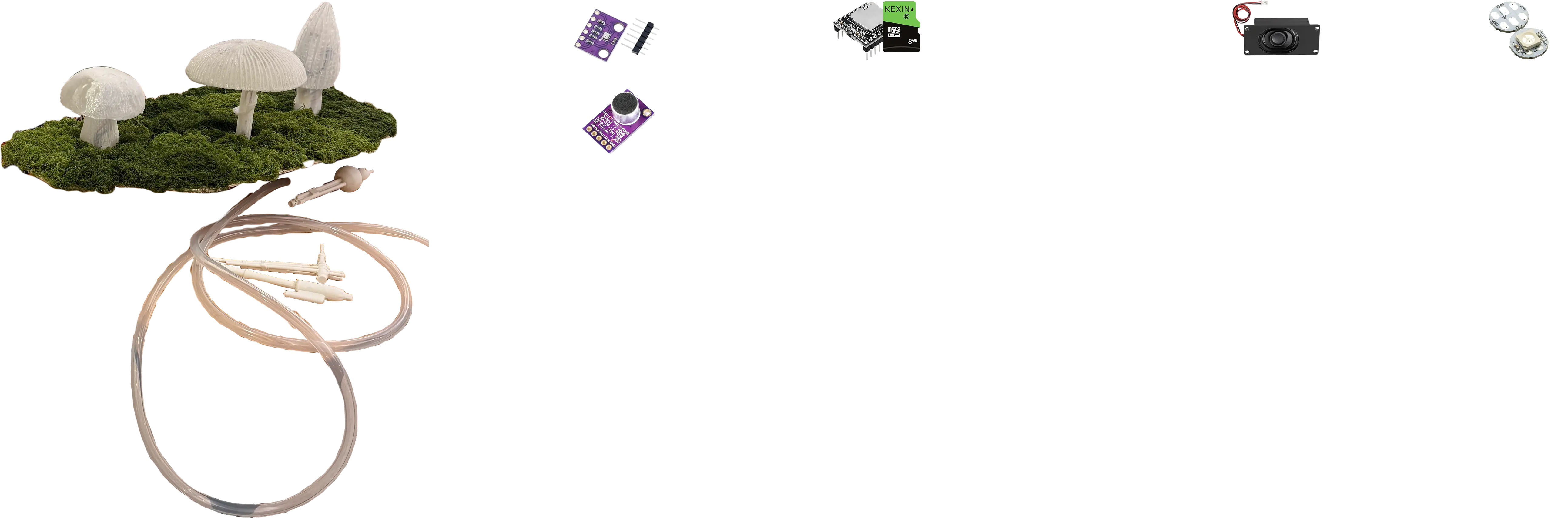
Sensor: BMP280 barometric pressure sensor embedded inside the mushroom
Trigger: detects sudden air pressure change when visitor blows toward the instrument model
Output: DFPlayer Mini reads MP3 from SD card → speaker plays Yunnan wind instrument sound
Visual: WS2812B LED flashes in response
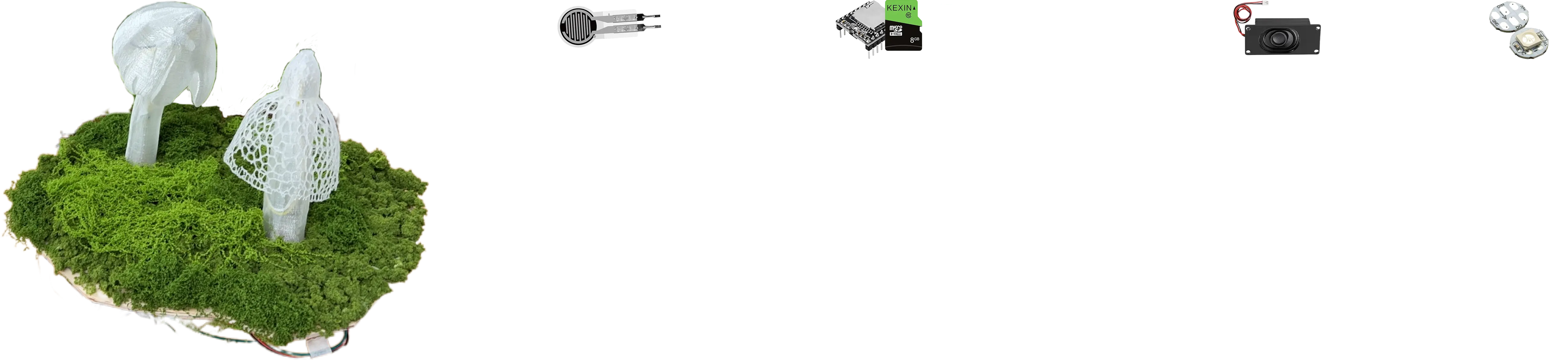
Sensor: FSR (Force-Sensing Resistor) mounted beneath the silicone drum surface
Trigger: detects impact when struck with a mallet
Output: DFPlayer Mini plays percussion sample (bronze drum / woodblock)
Visual: WS2812B LED pulses in sync with the strike

Sensor: ESP32-CAM mounted on top of the mushroom cap
Detection: analyzes brightness distribution across left / center / right regions of the frame
Output: corresponding SG90 servo motor pulls fishline through stem -> mushroom tilts toward viewer
Return: silicone elasticity and gravity bring the mushroom back upright when no presence detected
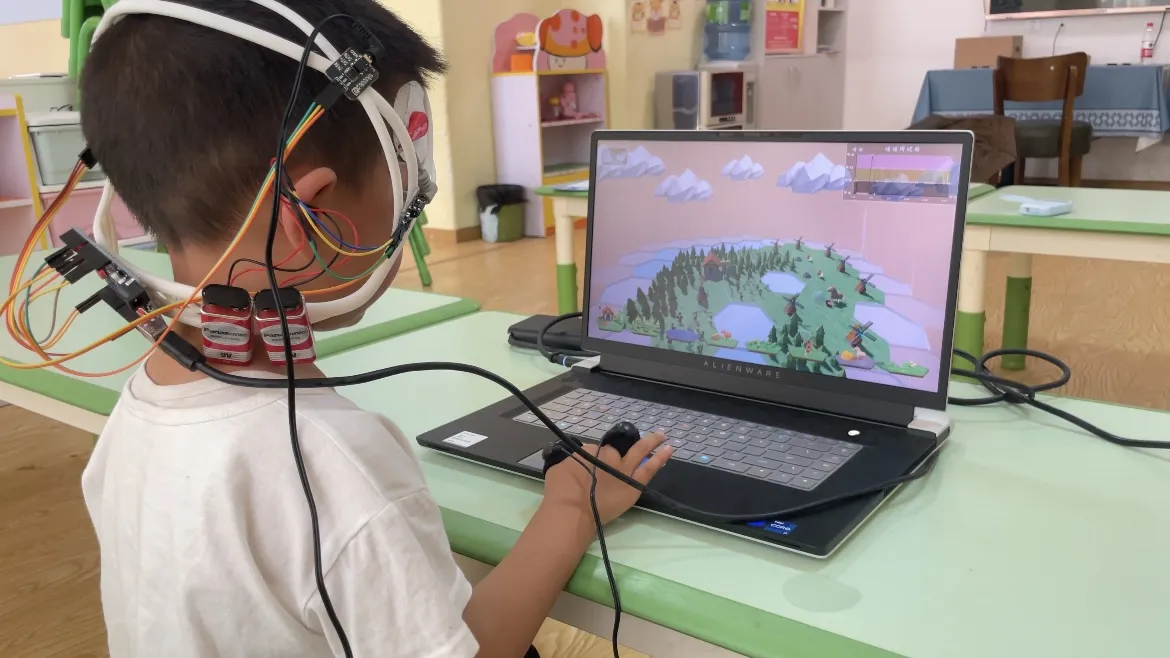
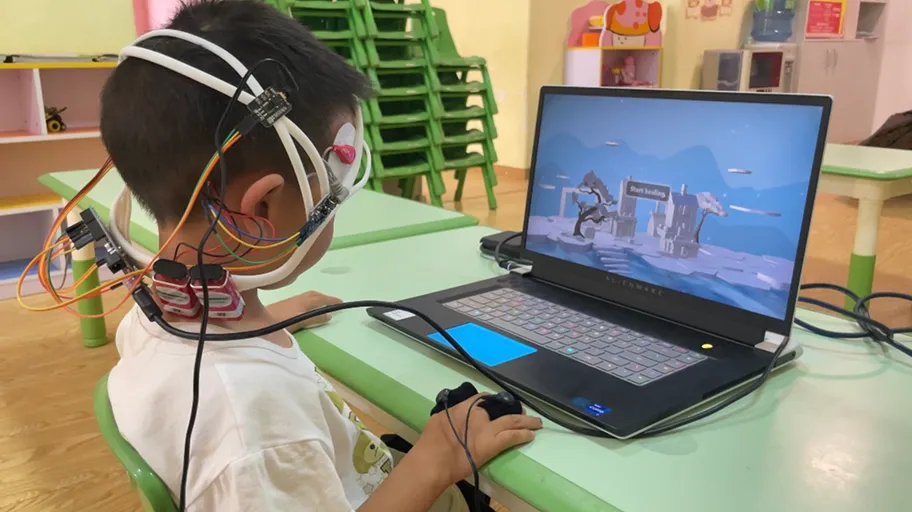
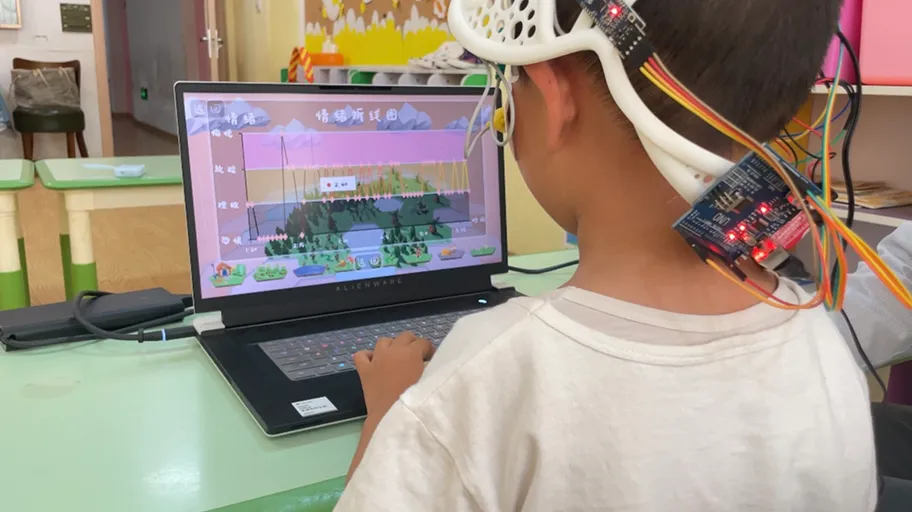
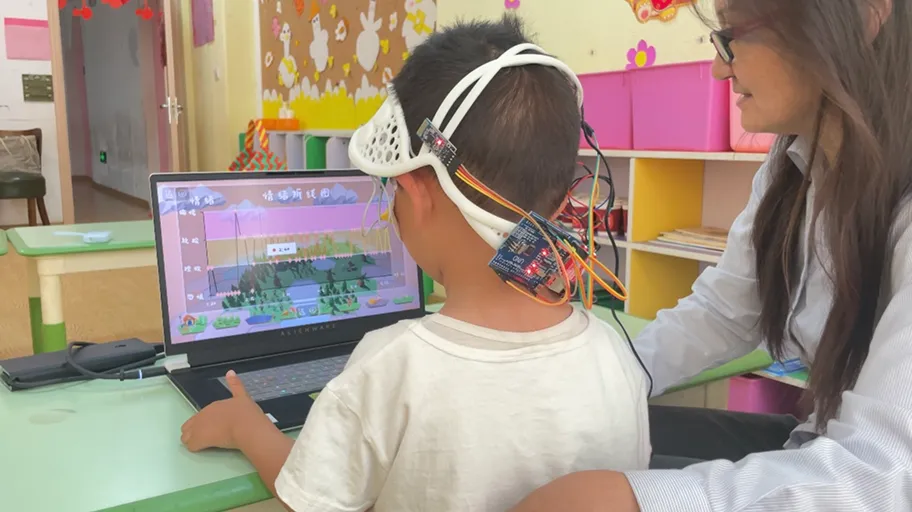
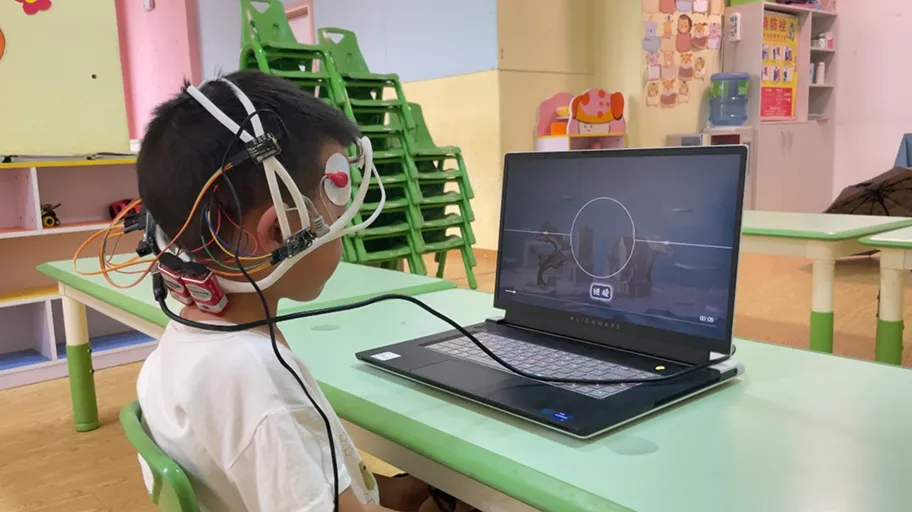
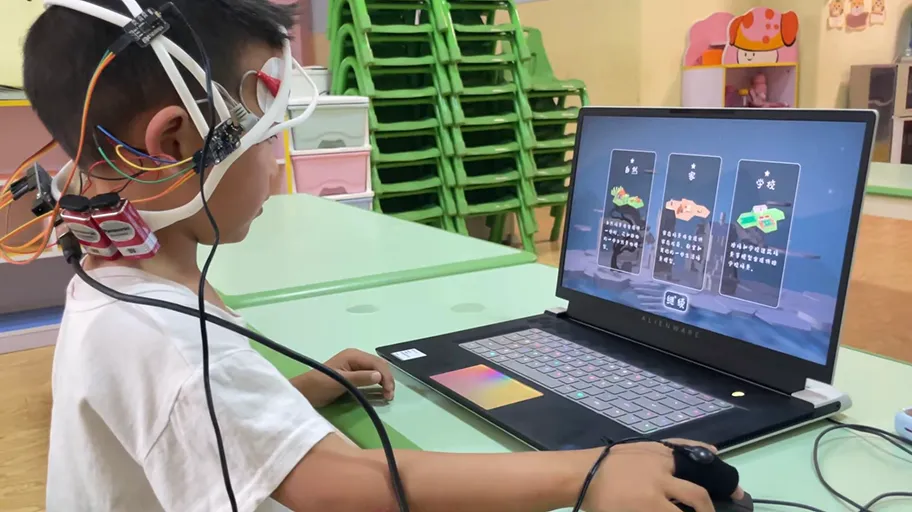
'HeartfeltCanvas' aims to enhance the psychotherapy process based on EMG&GSR techniques which are used to detect the children's emotions when they are taking art therapy. This work will help therapists see children's emotional changes more intuitively and make the most timely adjustments.
Since my mom owns a kindergarten, I learned that traumatic experiences are very common in childhood, but this phenomenon is often overlooked. Therefore, I would like to utilize digital media to help children with traumatic experiences in conjunction with my current field of study.

Biofeedback technology helps children understand and regulate their body's responses by monitoring and providing feedback on their physiological indicators, such as heart rate and electrical skin activity.
The following two signals were selected for their high reliability.
It is not difficult to observe that during the process of art therapy, children will have changes in their expressions or movements, and even the secretion of sweat will keep changing along with the treatment process. But we are likely to miss these them these emotional signals, reducing the effectiveness of the treatment.
Research indicates that current art therapies can be significantly enhanced by biofeedback technology. This technology offers a precise way to monitor children's physiological indicators like heart rate and skin activity for better emotional regulation.
My Design Focus: Integrating Art Therapy Methods with Biofeedback Tools
This merging visualizes a child's emotional signals via interest tracking, giving therapists real-time, actionable feedback for timely interventions.
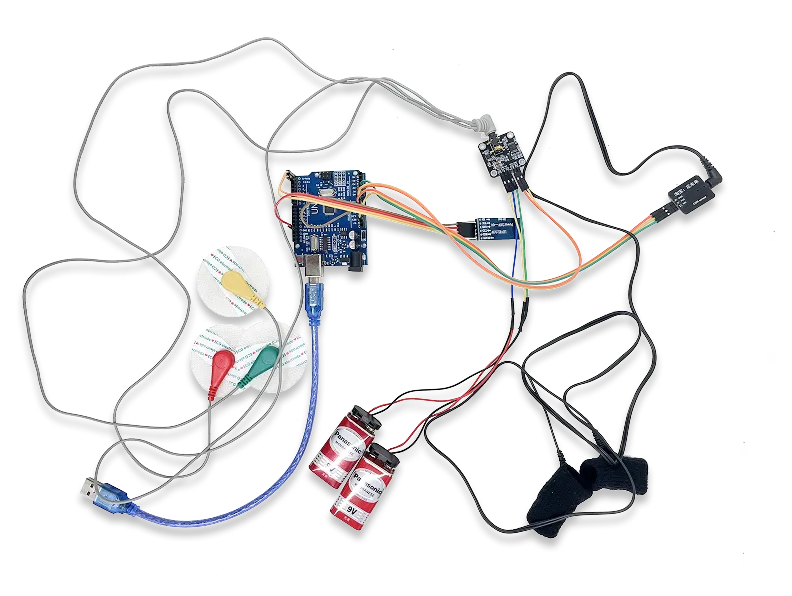
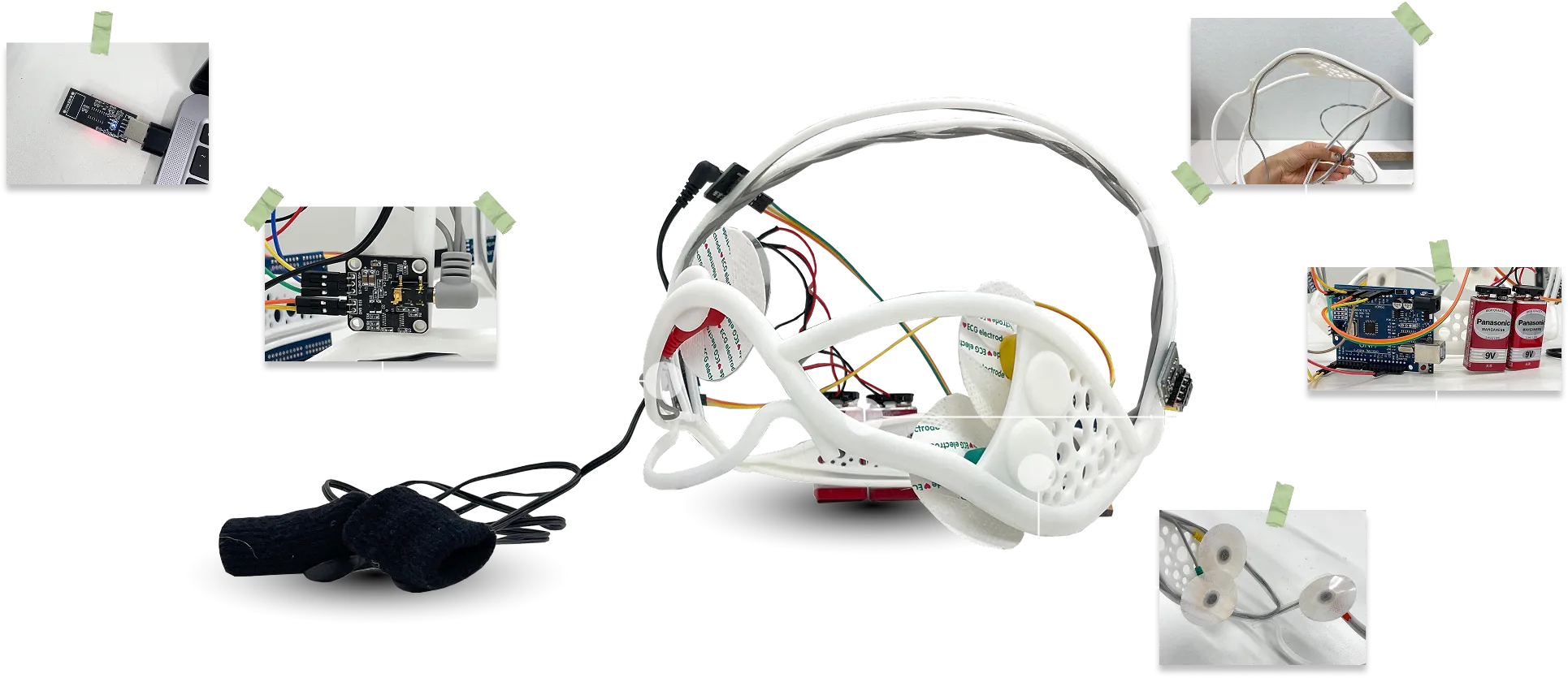
Dual-channel sensing system using EMG (muscle activity) and GSR (skin conductance) to capture subtle physiological shifts via Bluetooth.
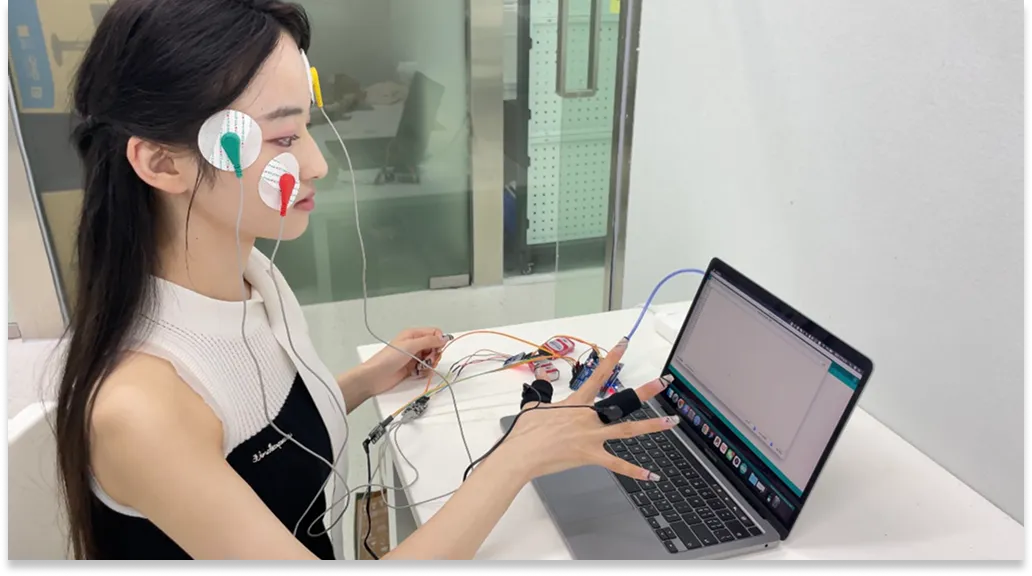
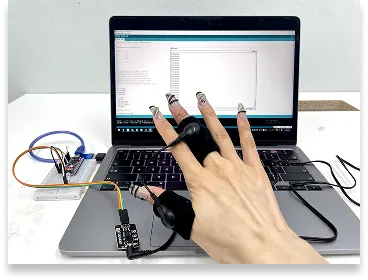
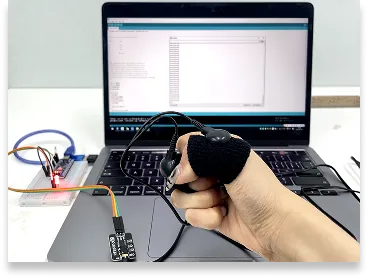
User testing focused on detecting facial expressions and hand tension to correlate physical reactions with emotional states
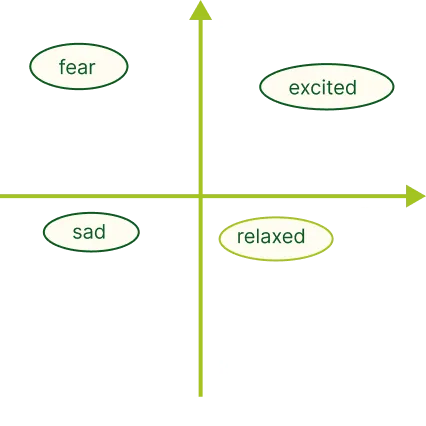
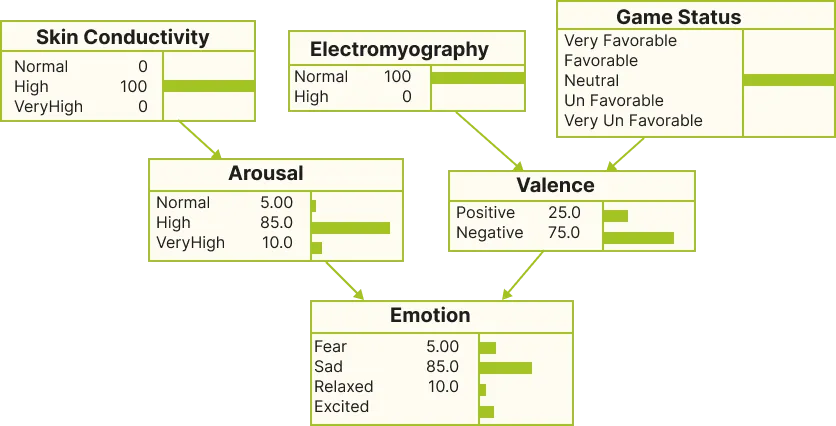
Utilized the Arousal-Valence model and Bayesian networks to translate bio-signals into actionable emotional data for therapeutic insights.
Utilized the Arousal-Valence model and Bayesian networks to translate bio-signals into actionable emotional data for therapeutic insights.
A multi-layer architecture integrating Arduino hardware with a Bayesian Network model to interpret raw physiological data into emotional insights
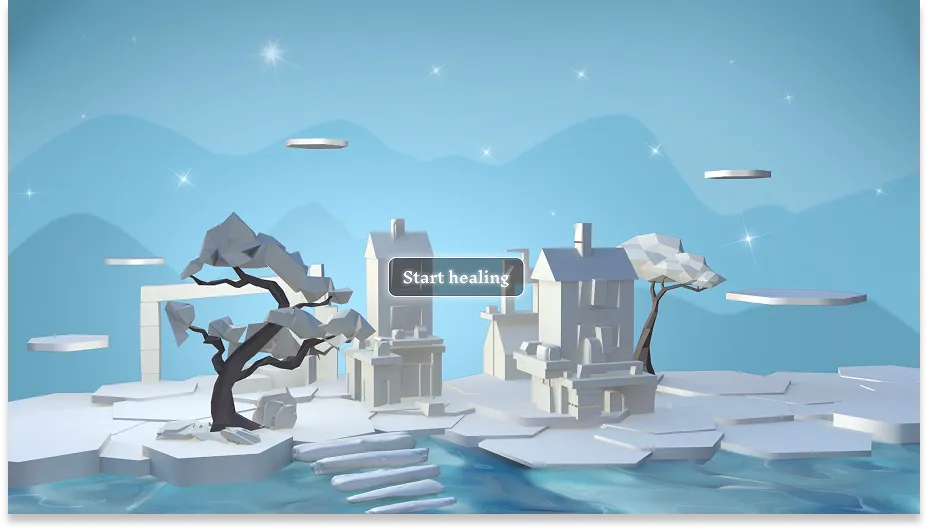
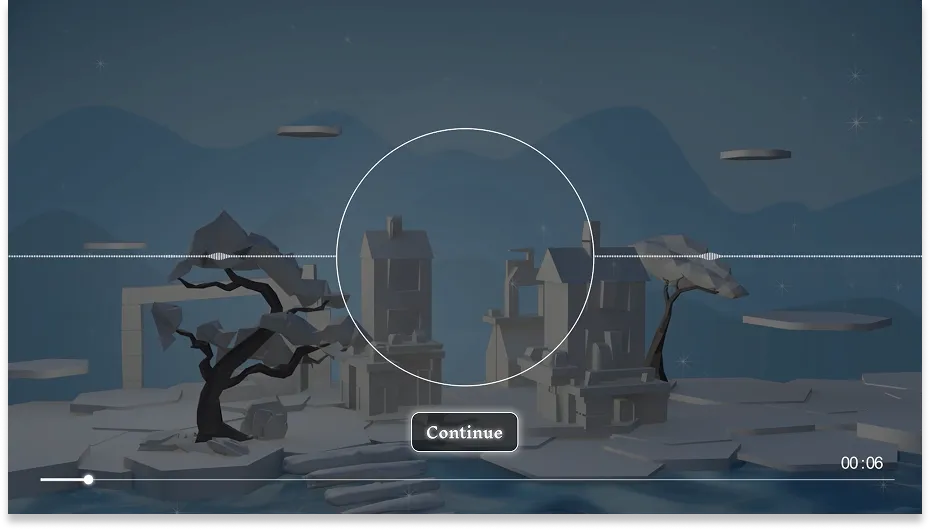
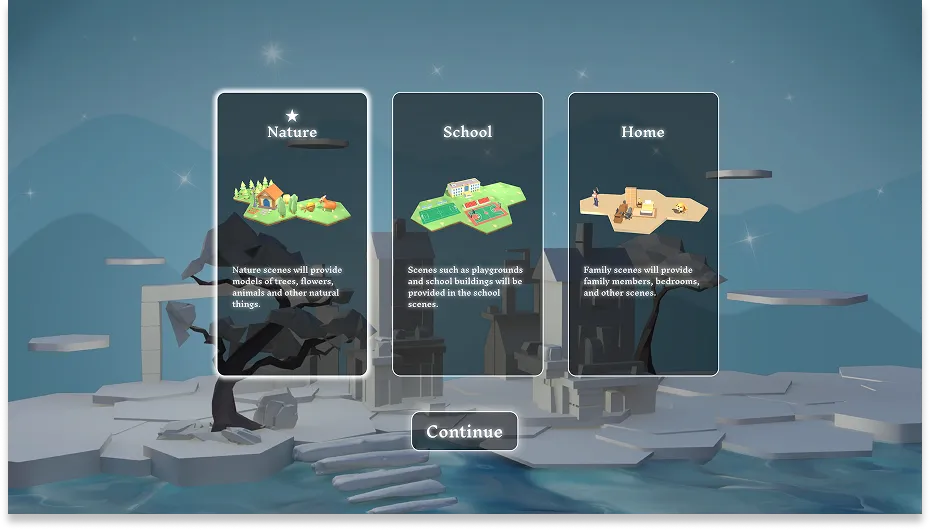
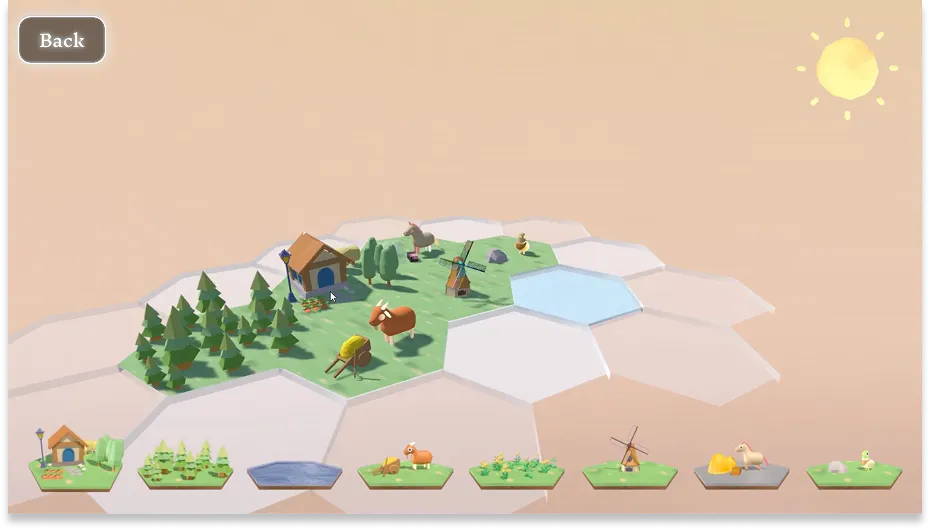
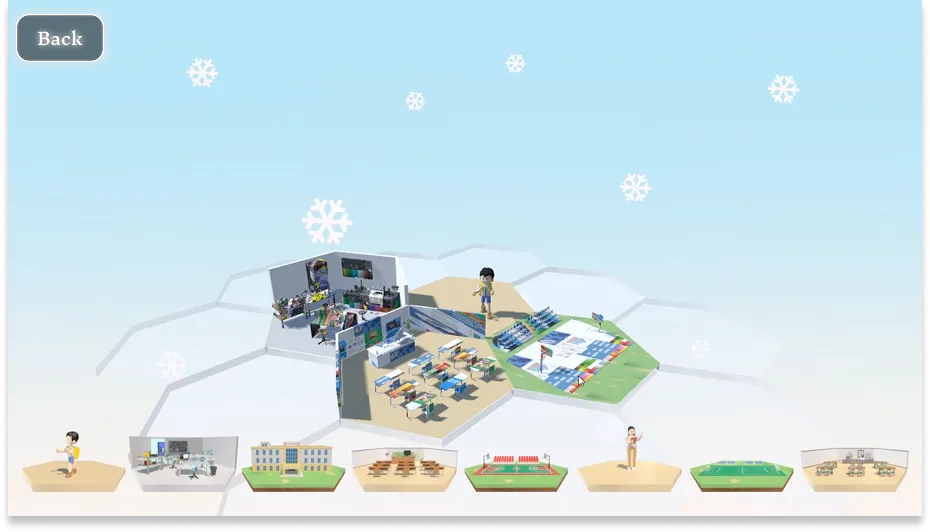
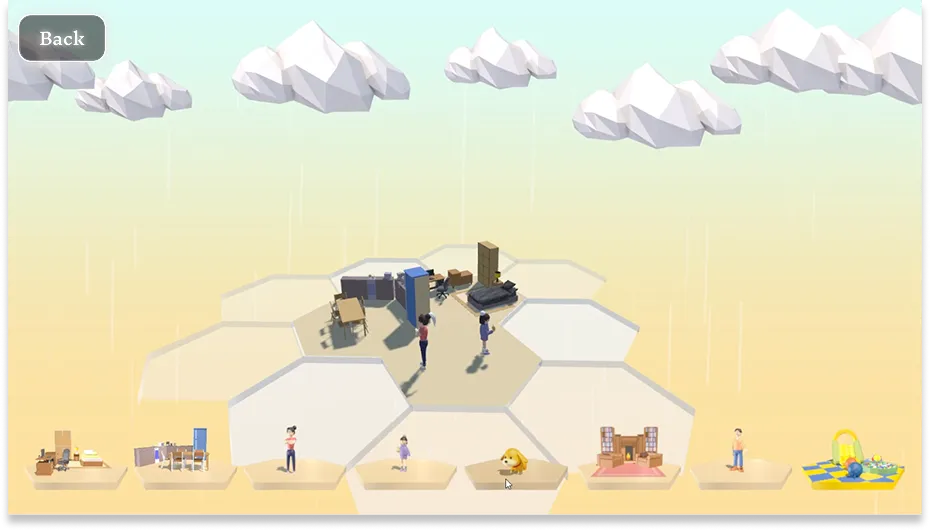
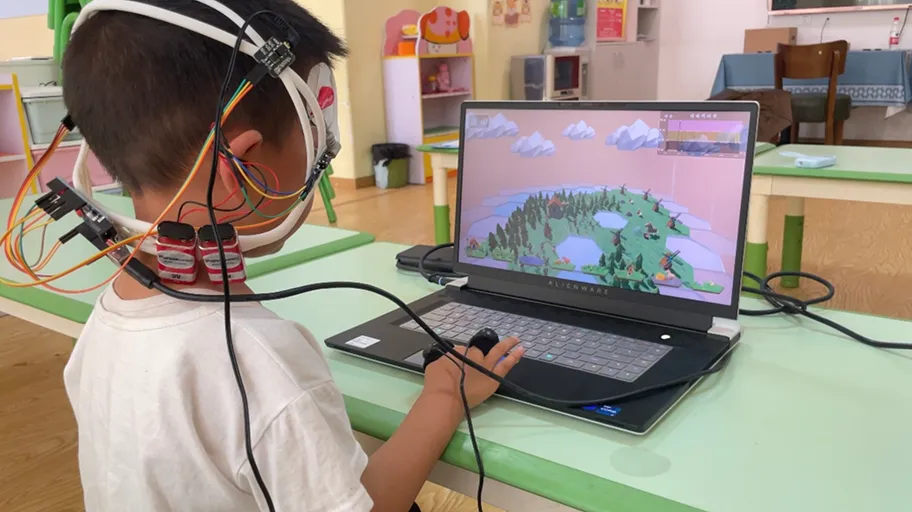
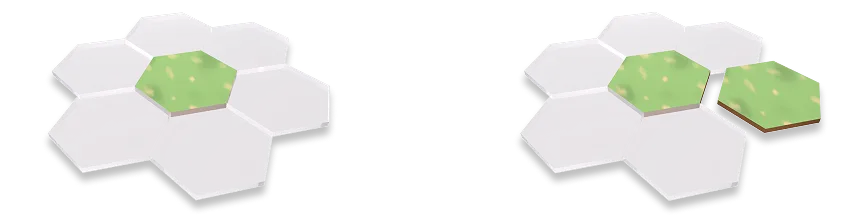
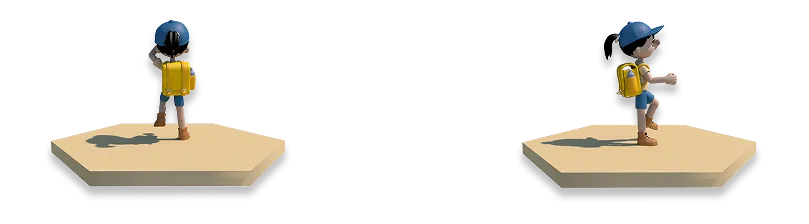
A meditative experience where the environment evolves based on user emotion. We use a Hexagonal Grid System for dynamic world-building and item placement.
Implemented in C# / Unity, featuring real-time brain-computer data processing and procedural mesh generation for the healing landscape
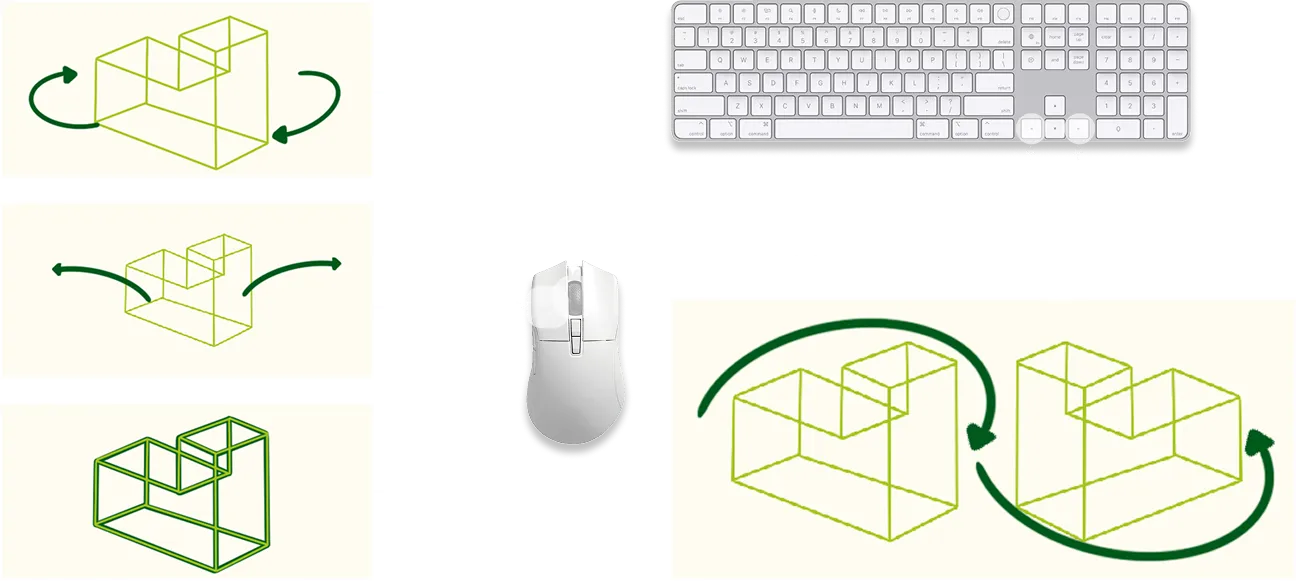
When using mouse control, the left mouse button controls click and selection, and dragging on the blank canvas can rotate the canvas perspective. The middle mouse button can be used to zoom in and out.


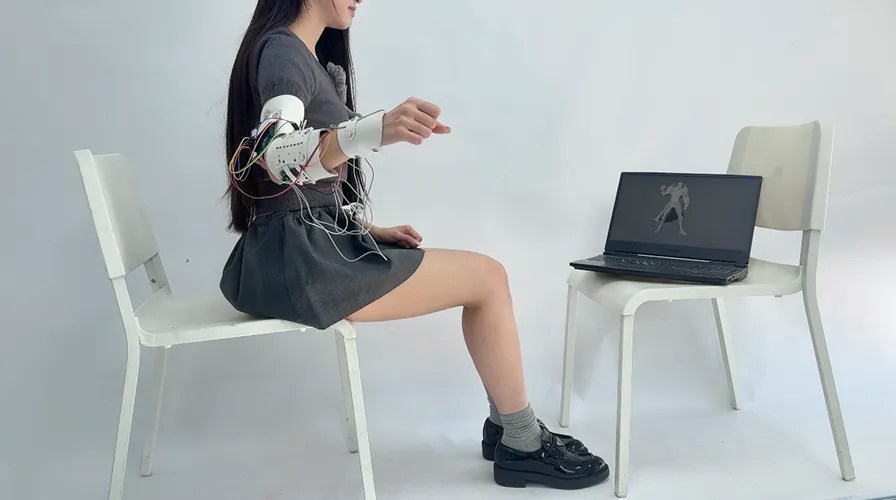
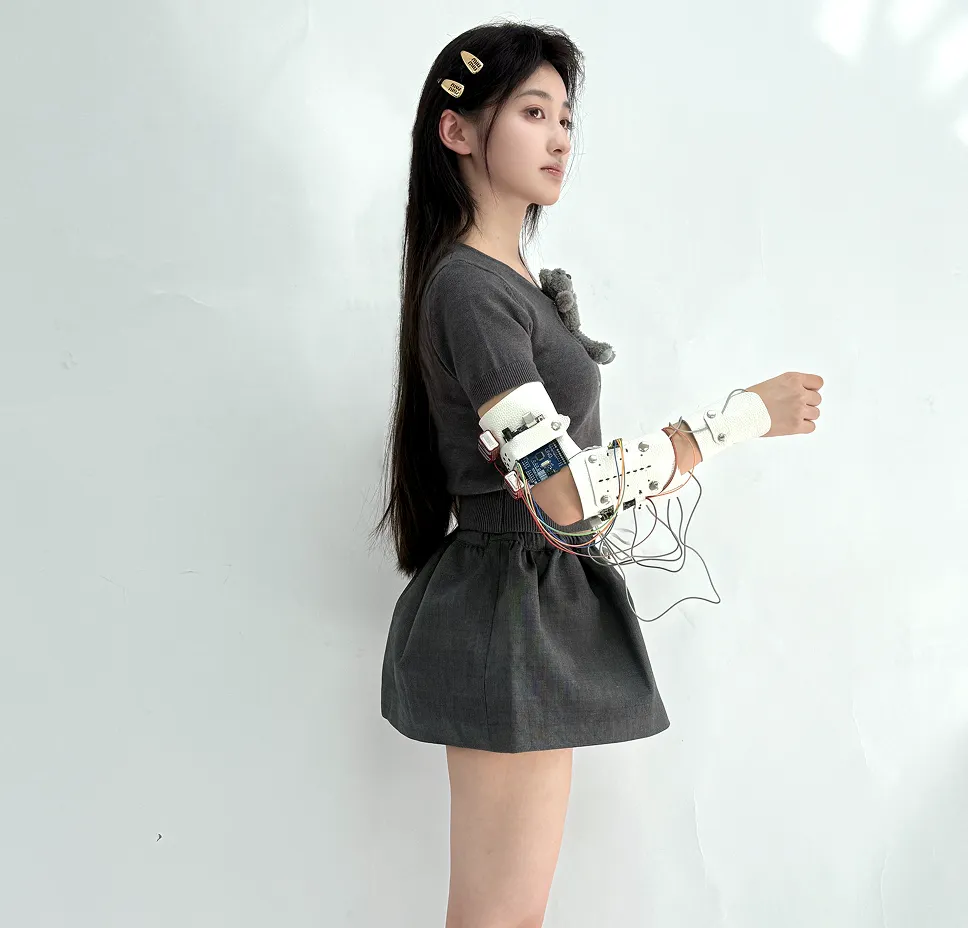
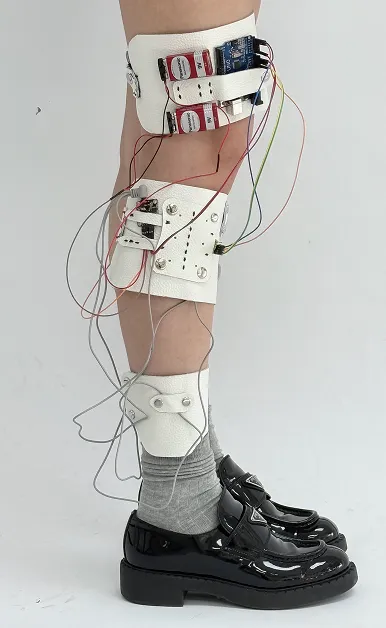
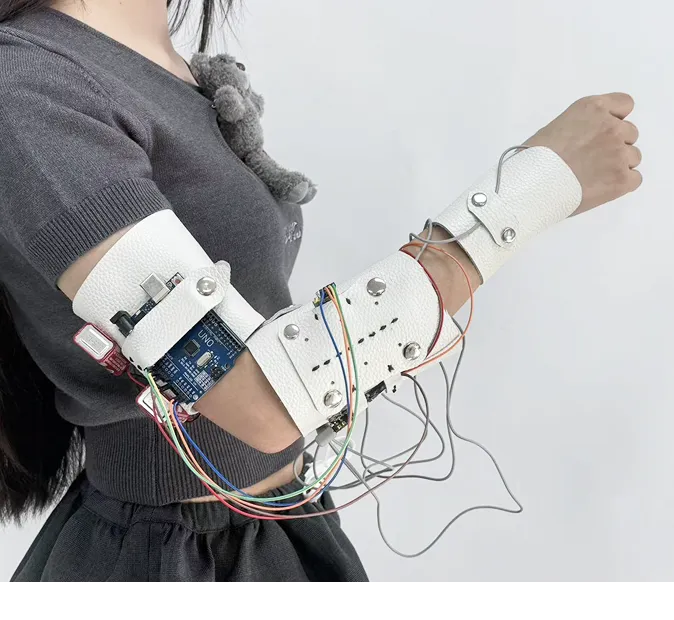
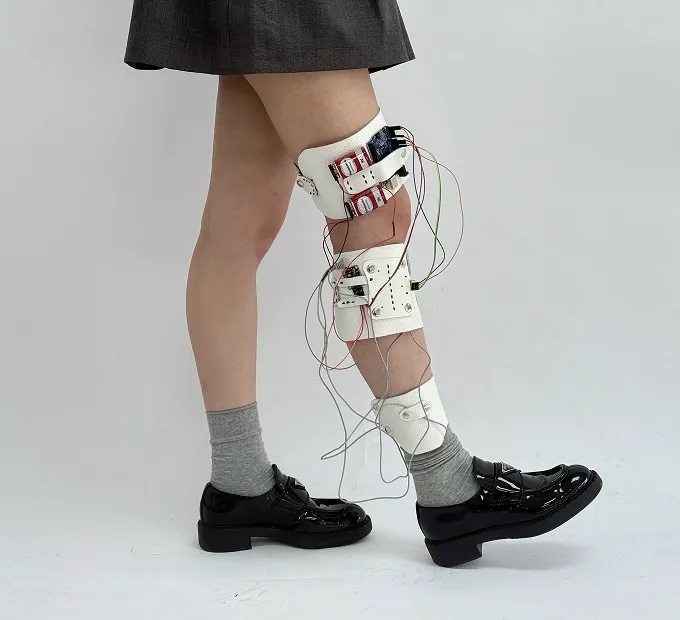
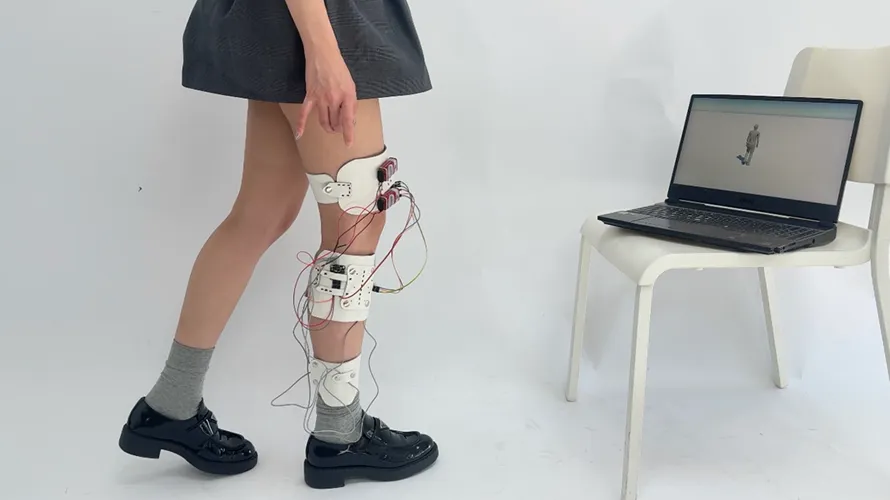
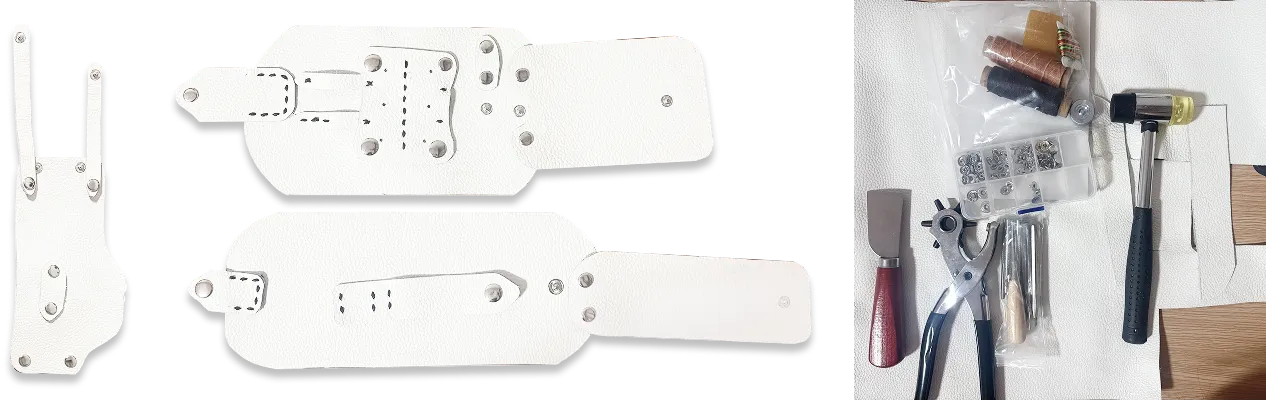
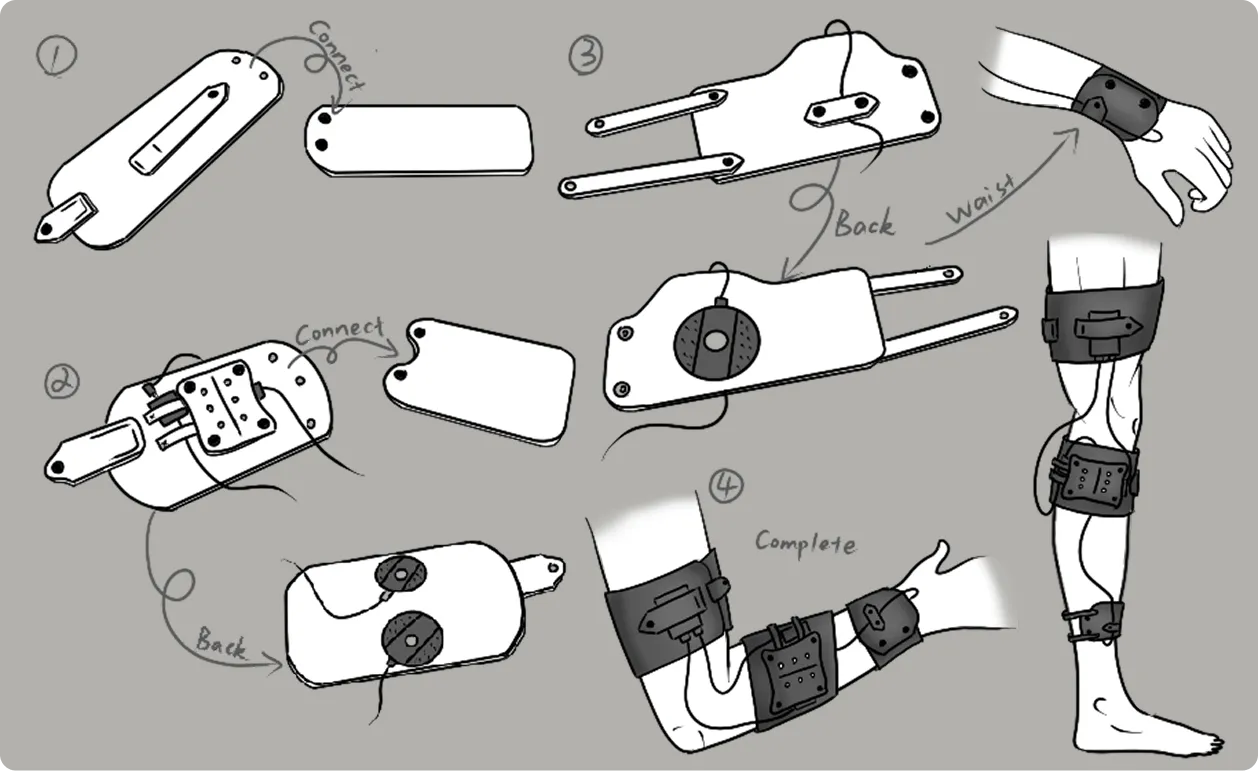
FlexiMotion is a wearable device that combines EMG and IMU sensors to capture muscle activity and motion in real-time, enabling intuitive interaction with games, fitness systems, rehabilitation tools, and machines. Worn on the forearm with adjustable leather straps, it translates physical movements into digital actions, offering seamless control across various applications. Designed for comfort and flexibility, FlexiMotion enhances the user experience by bridging the gap between physical actions and technology, providing a new way to interact with the digital and physical world.
Traditional gaming peripherals lack seamless physical-to-virtual integration, leading to a gap in immersion for complex interactions.
Traditional gaming peripherals lack seamless physical-to-virtual integration, leading to a gap in immersion for complex interactions.
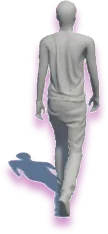
Utilizing EMG sensors for real-time muscle contraction insights and IMU modules for precision 3D space tracking
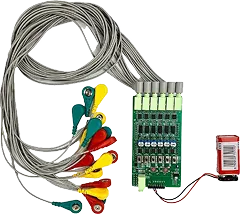
EMG Measures Electrical Activity From Muscle Contractions, Capturing Signals From Contractions To Provide Real-Time Insights Into Physical Movements.
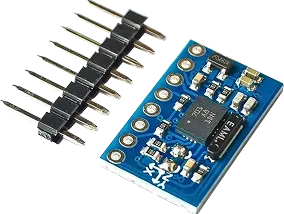
IMU Is A Device That Measures And Reports An Object's Specific Force, Angular Rate, And Sometimes The Magnetic Field. It Is Commonly Used To Track Motion In 3D Space.

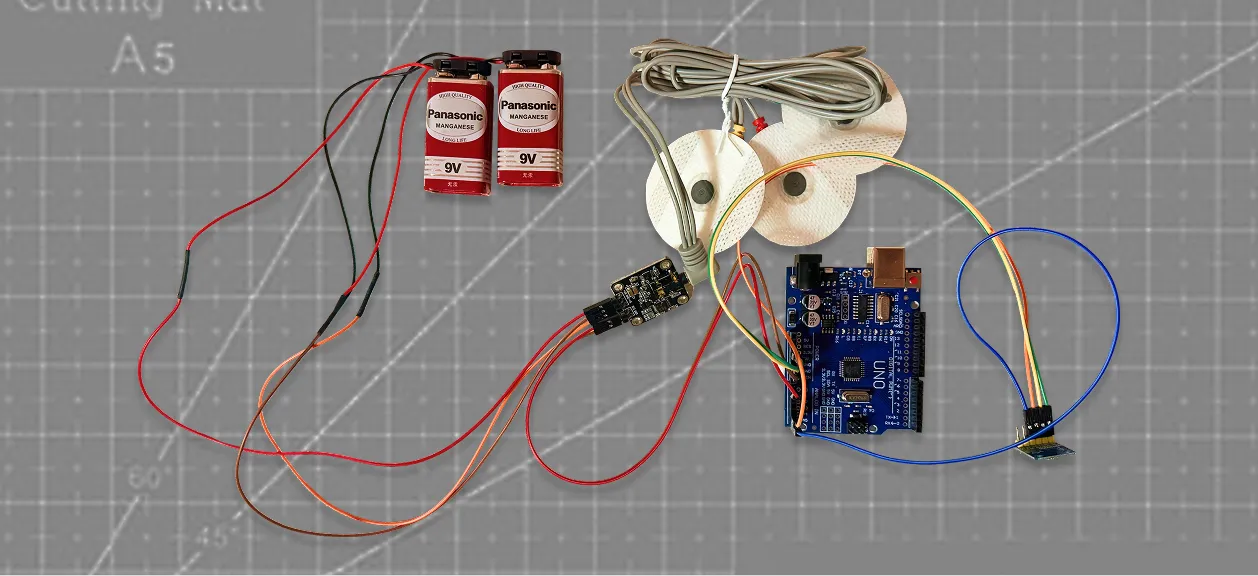
EMG and IMU circuit connections
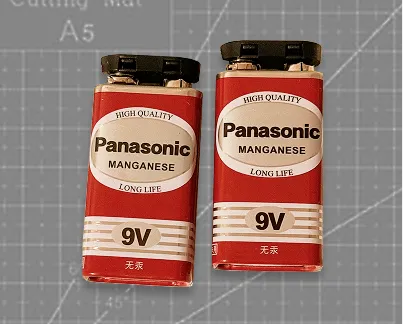
9V battery
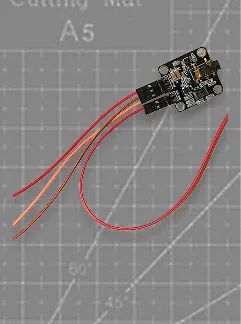
EMG
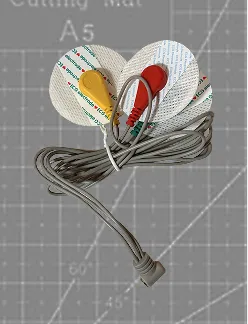
Electrode sheet
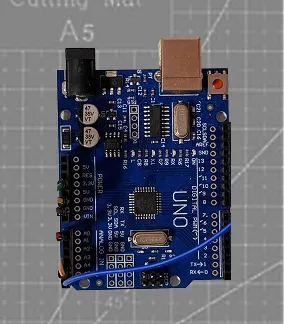
Arduino
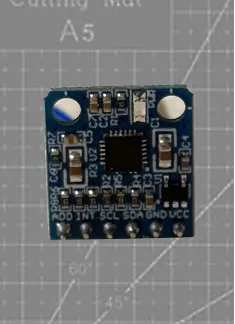
IMU
The EMG and IMU modules are connected to an Arduino UNO. The EMG uses two 9V batteries and outputs signals to A0, while the IMU connects via I²C. Data is transmitted to a computer through USB.
By Combining Time-Domain And Frequency-Domain Features, The Characteristics Of Different Actions Are Analyzed And Classified:
Static Vs. Movement:
Fast Vs. Slow Movements:

Grounded in insider experience, this project investigates the emotional labor and identity challenges of Douyin girl group streamers under algorithmic pressure. It proposes design interventions to help performers build emotional resilience and maintain healthy boundaries between their digital personas and authentic selves.

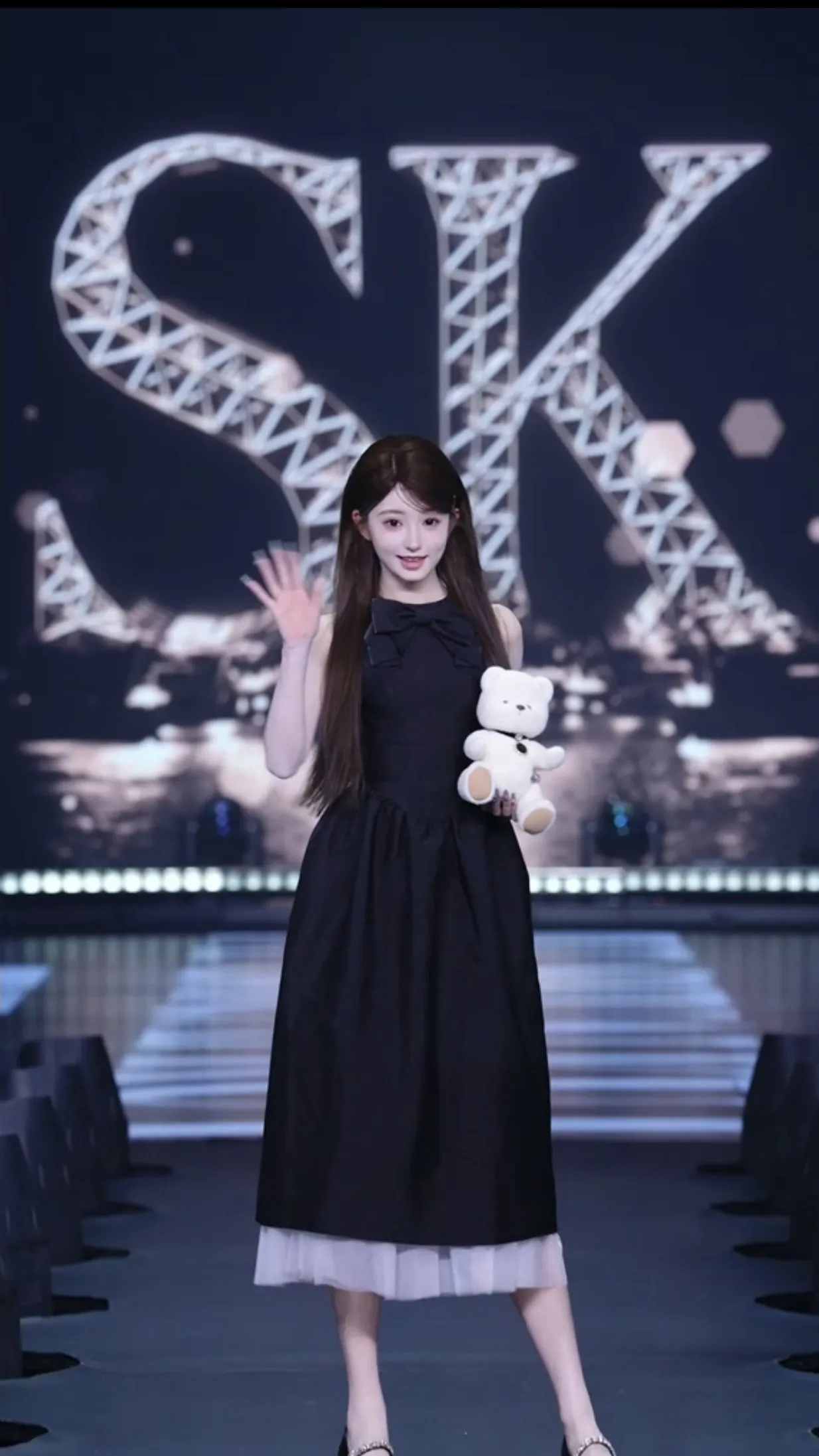
Before joining NYU, I was a member of a Douyin girl group. This experience placed me at the heart of algorithmic pressure and spotlights, where I lived the intensity of "emotional labor" firsthand. Now, as a researcher and designer, I am revisiting that world to use technology to help individuals reclaim their authentic boundaries within the data-driven industry.
Video link:
https://www.instagram.com/p/DVcjnSkjKgY/
Focusing on young women (ages 18–25) from vulnerable backgrounds, this research highlights how the live-streaming environment blurs the line between performance and intimacy, leading to systemic emotional exhaustion and the erosion of personal values.
Forced Positivity
Constant performative sweetness leaves no room for authentic emotion.
Competitive Isolation
The “group” structure masks internal rivalry and social isolation.
The Burnout Loop
Long hours and rigorous maintenance create a relentless cycle of physical and mental burnout.
Identity Erosion
Self-worth is entirely tethered to visibility and parasocial validation.
This is a soft-violence labor system where attention is survival and emotion is currency.
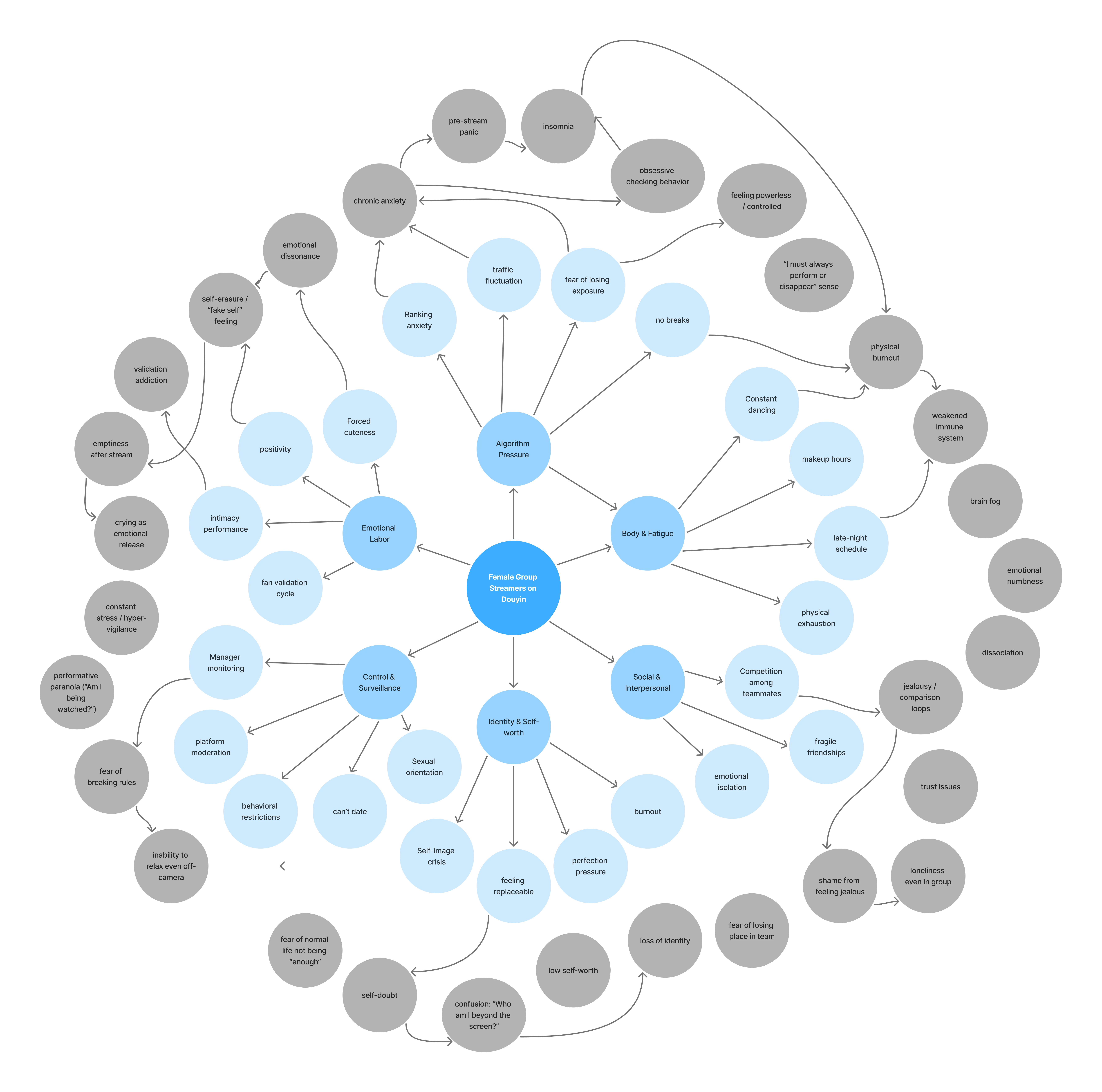
These emotional outcomes are not personal weaknesses but structural consequences of algorithmic labor, parasocial emotional extraction, and competitive performance environments.
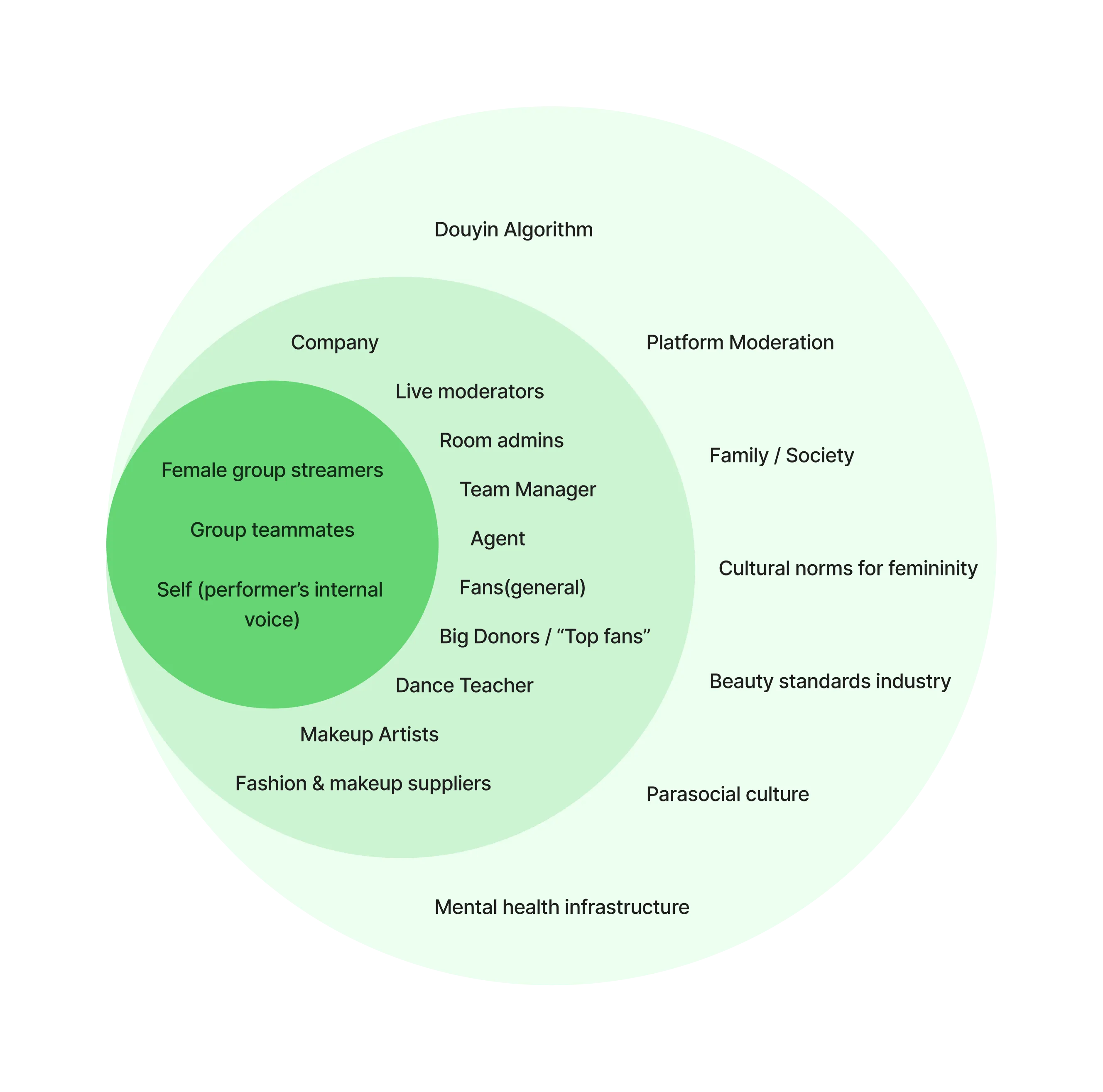
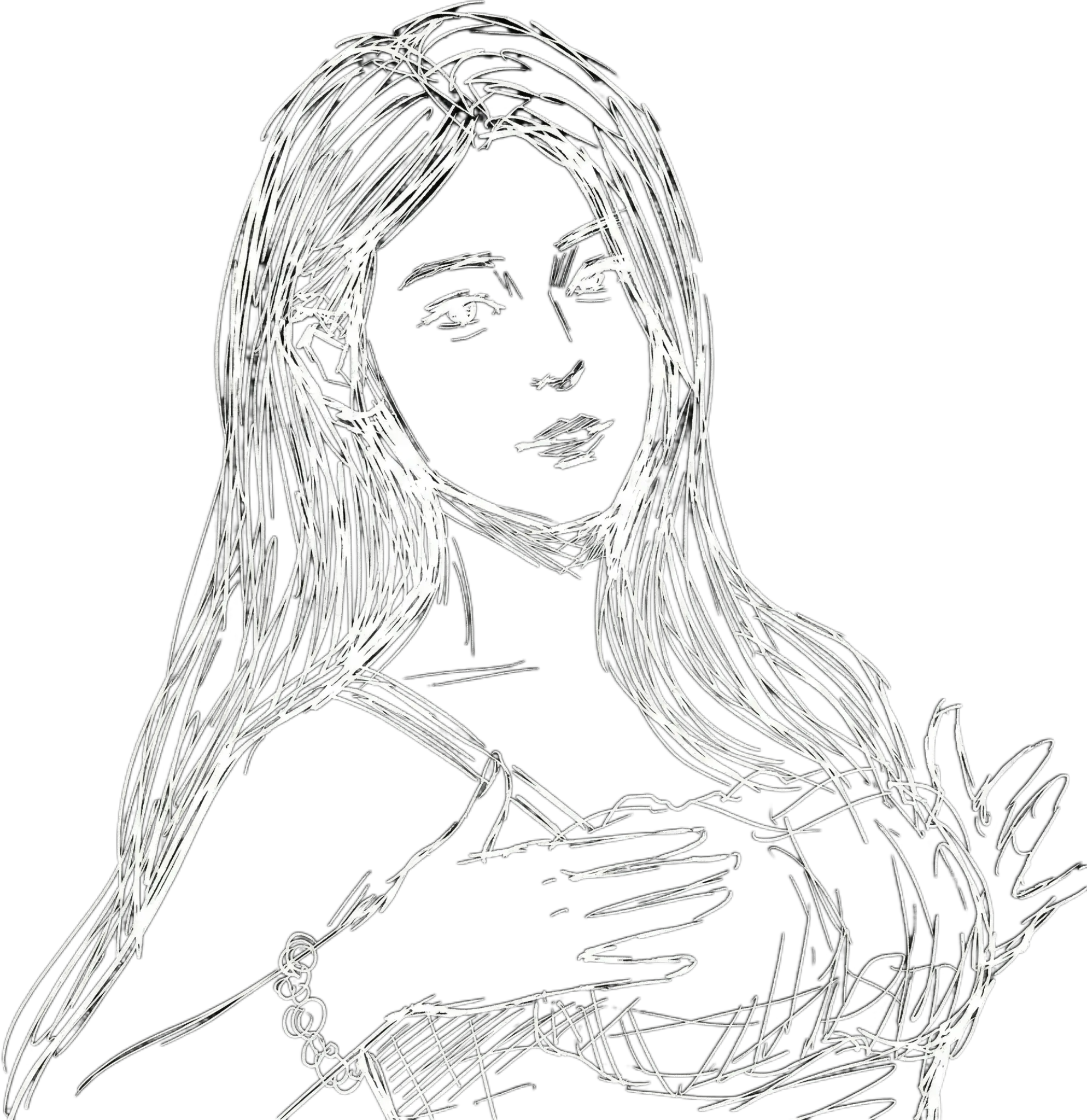
To deepen this inquiry, I conducted interviews with three former colleagues who worked with me as female group streamers on Douyin. Their lived experiences provided firsthand insight into the emotional pressures, identity negotiation, and resilience strategies within this labor environment.





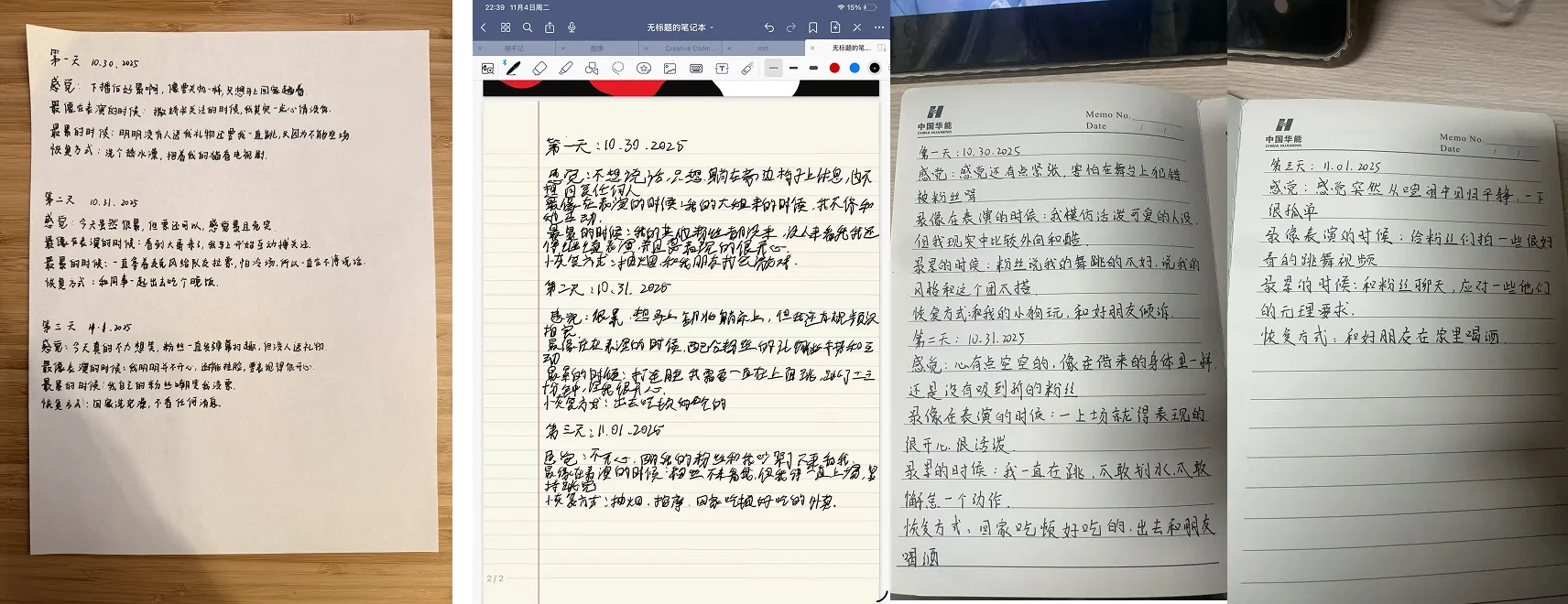
Instead of recording individual instances, I synthesized hours of livestream footage into a Behavior-Trigger Matrix. By mapping external algorithmic metrics against internal physiological responses, I identified a recurring cycle of "Compensatory Performance"—where streamers physically over-exert to counteract dropping data, leading to the "residual exhaustion" observed in my diary studies.
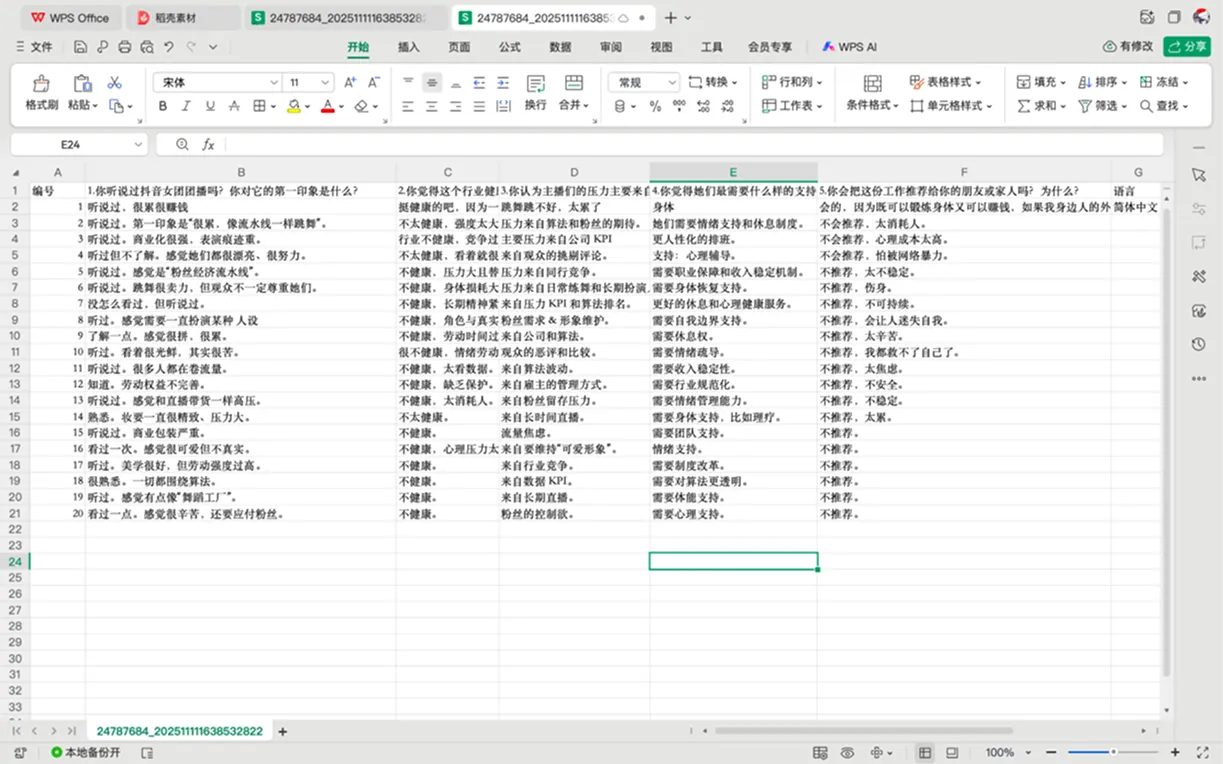
I distributed a short survey by sharing a Tencent Questionnaire link through my WeChat Moments, inviting people in my social circle to participate.
Findings from 20 respondents reveal a stark consensus:
I identified seven opportunity areas for intervention: Boundary Prompts, De-role Rituals, Emotional Trackers, Peer Support, Fan Education, Identity Anchors, and Conceptual Installations.
To provide the most effective intervention, I selected Route A: a synthesis of De-role Rituals, Boundary Prompts, and Emotional Tracking. This direction focuses on creating a physical "safe space" through hardware to facilitate the transition from digital persona back to authentic self.
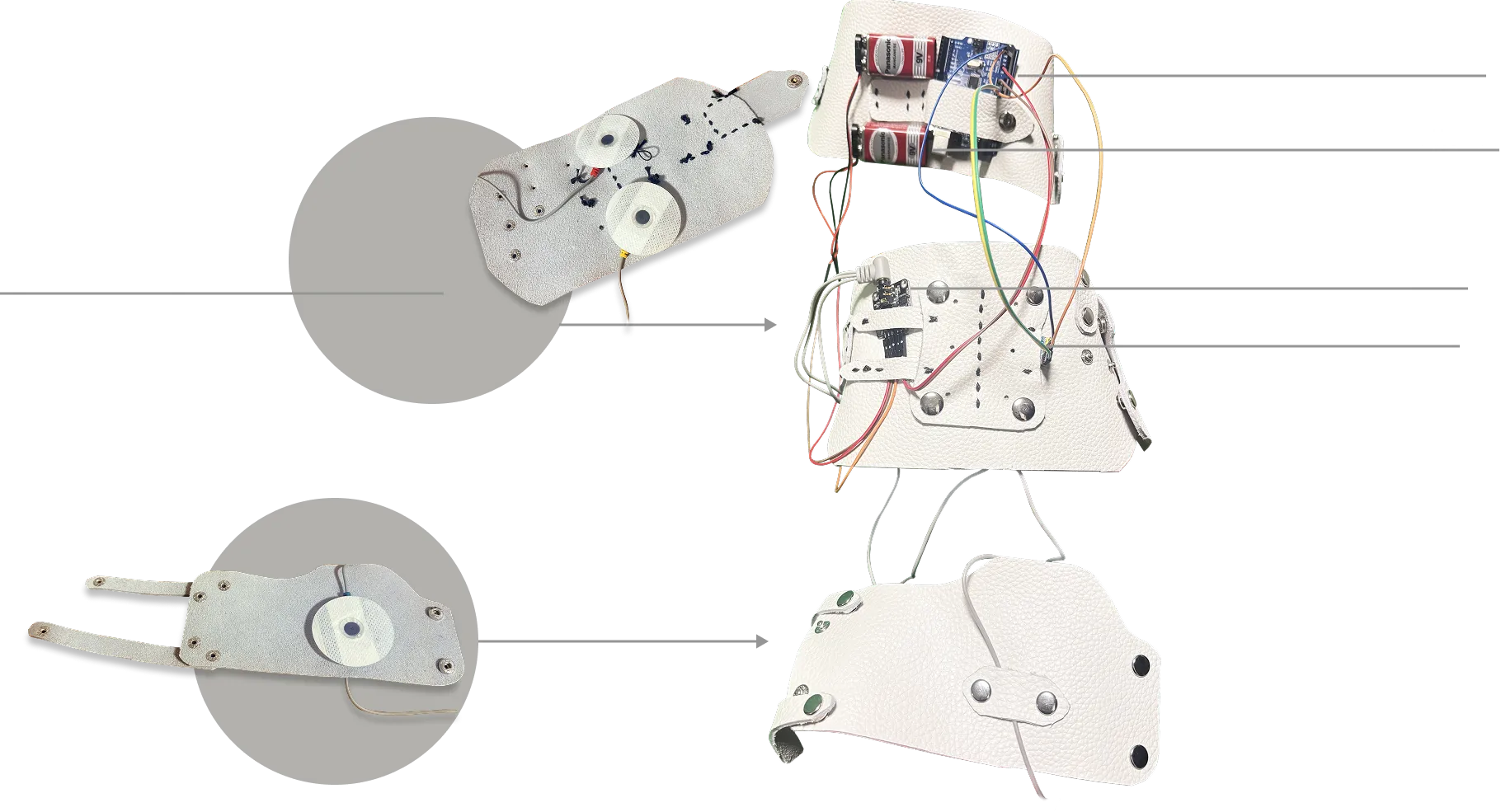
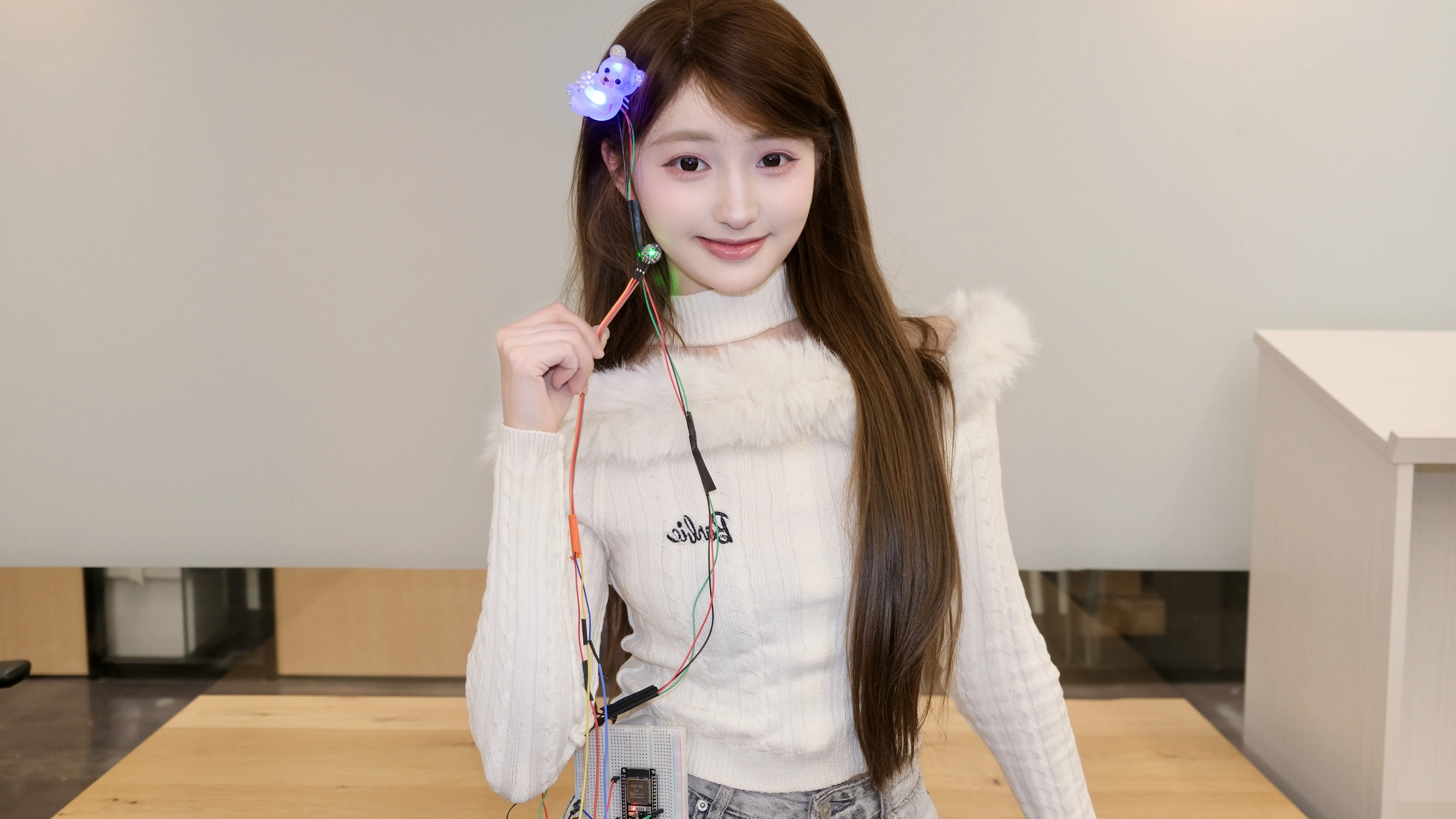
The prototype uses technology as both a "boundary" and a "mirror" to concretize emotions and rebuild identity limits. The Loop: A holistic emotional-management system combining "The Emotional Aura" (on-air monitoring) and "The Residual Persona" (post-stream recovery) to cover the full cycle of detection, alerting, and healing.

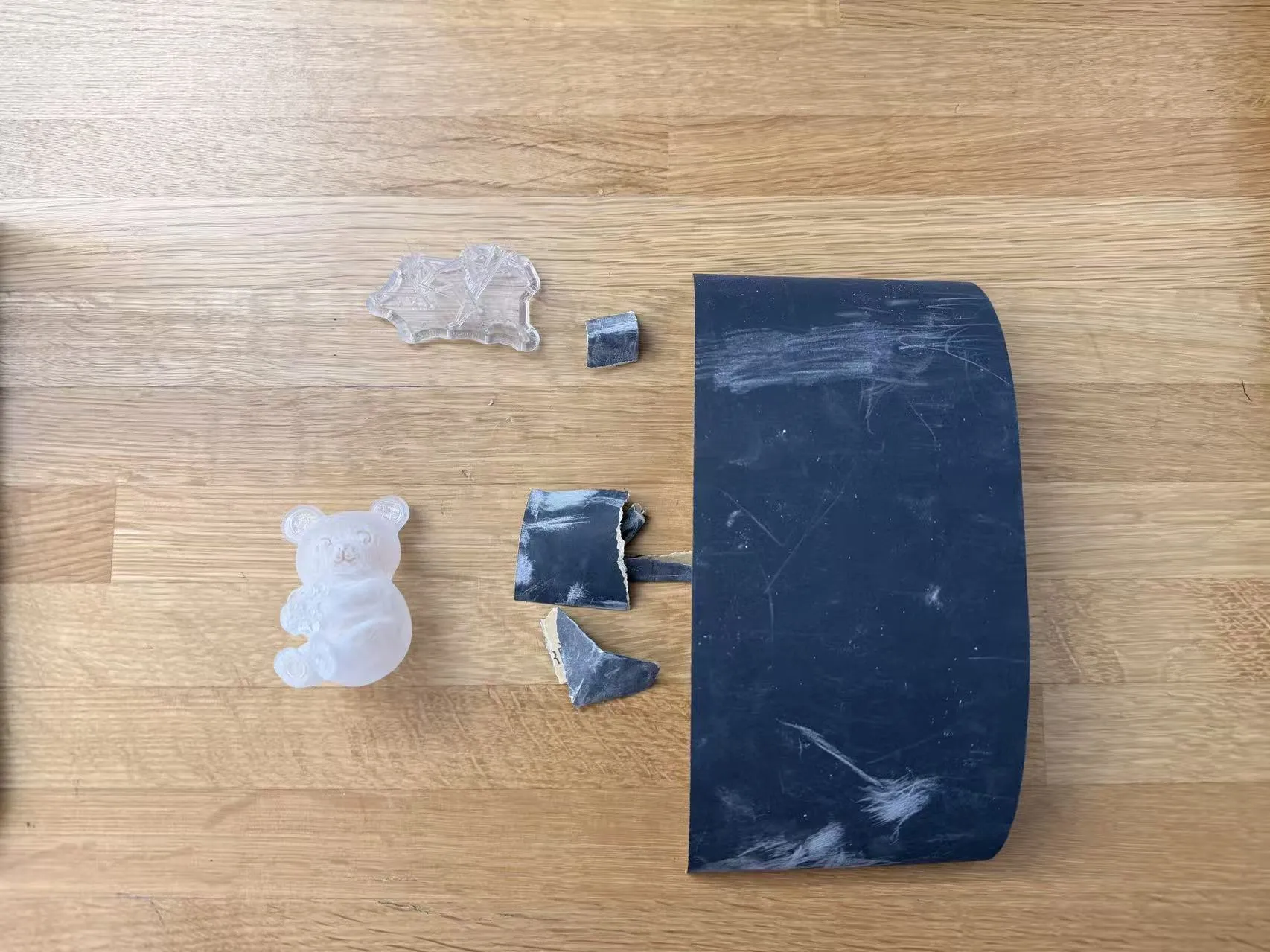
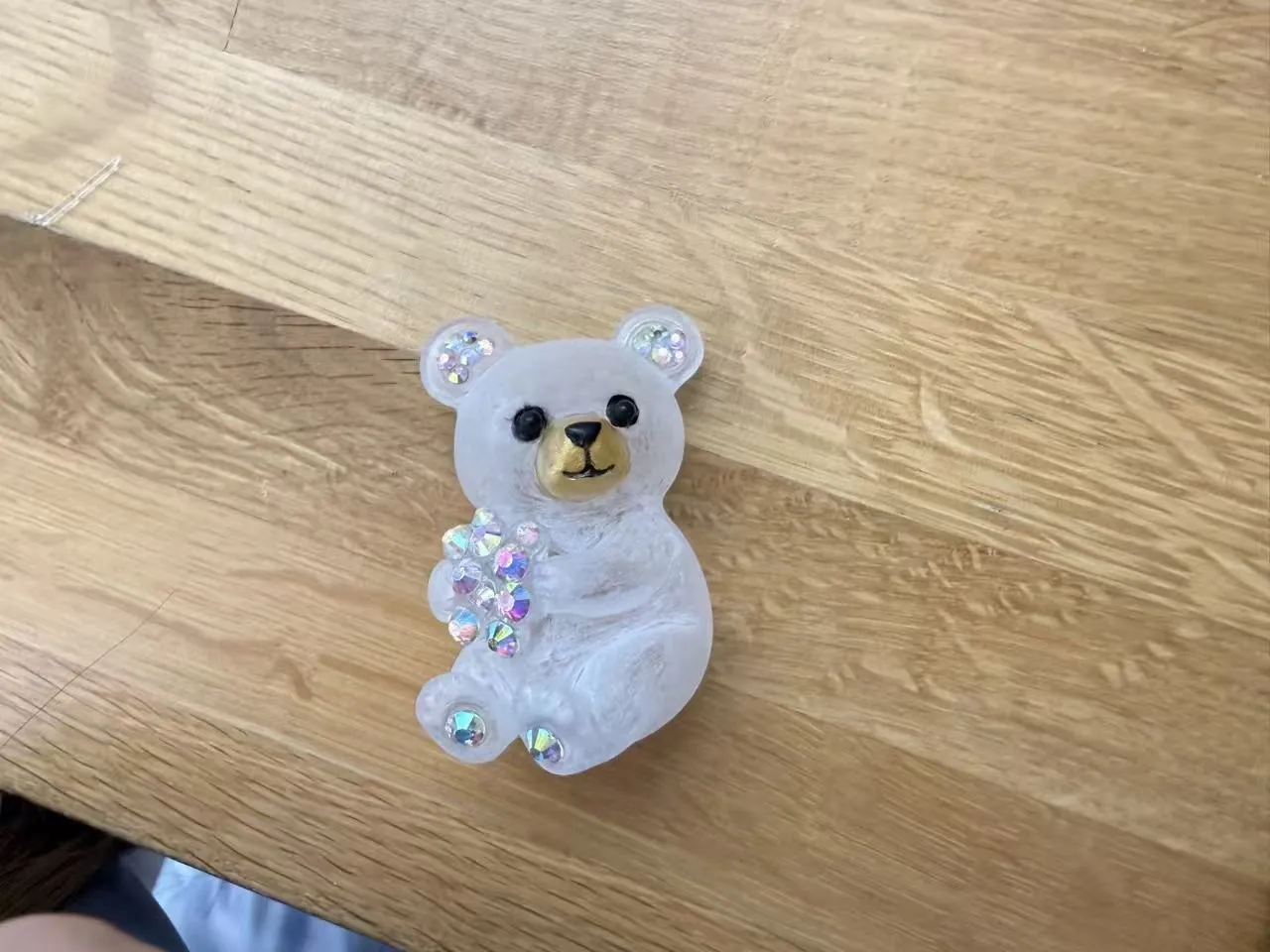
The prototype uses technology as both a "boundary" and a "mirror" to concretize emotions and rebuild identity limits. The Loop: A holistic emotional-management system combining "The Emotional Aura" (on-air monitoring) and "The Residual Persona" (post-stream recovery) to cover the full cycle of detection, alerting, and healing.
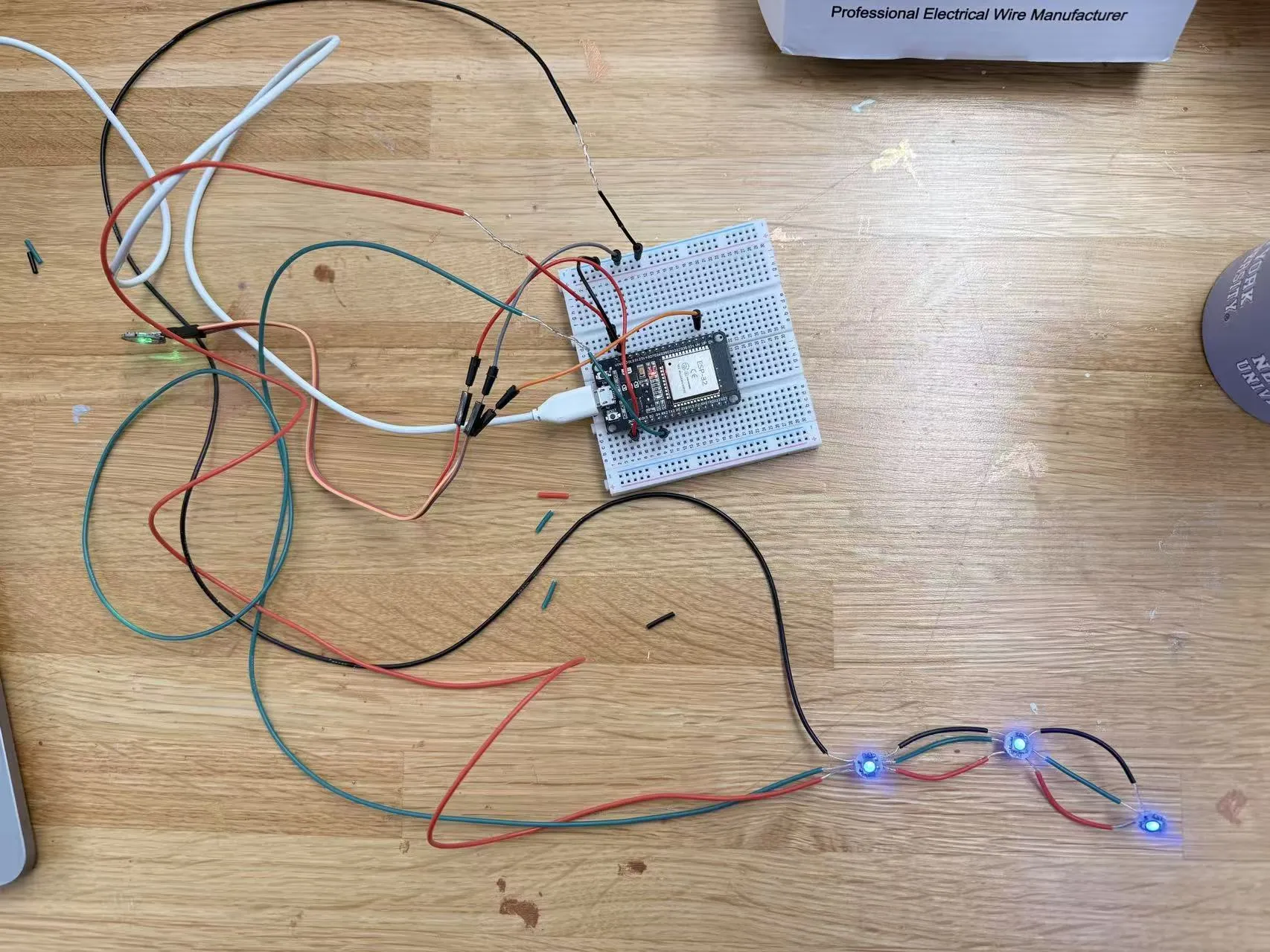
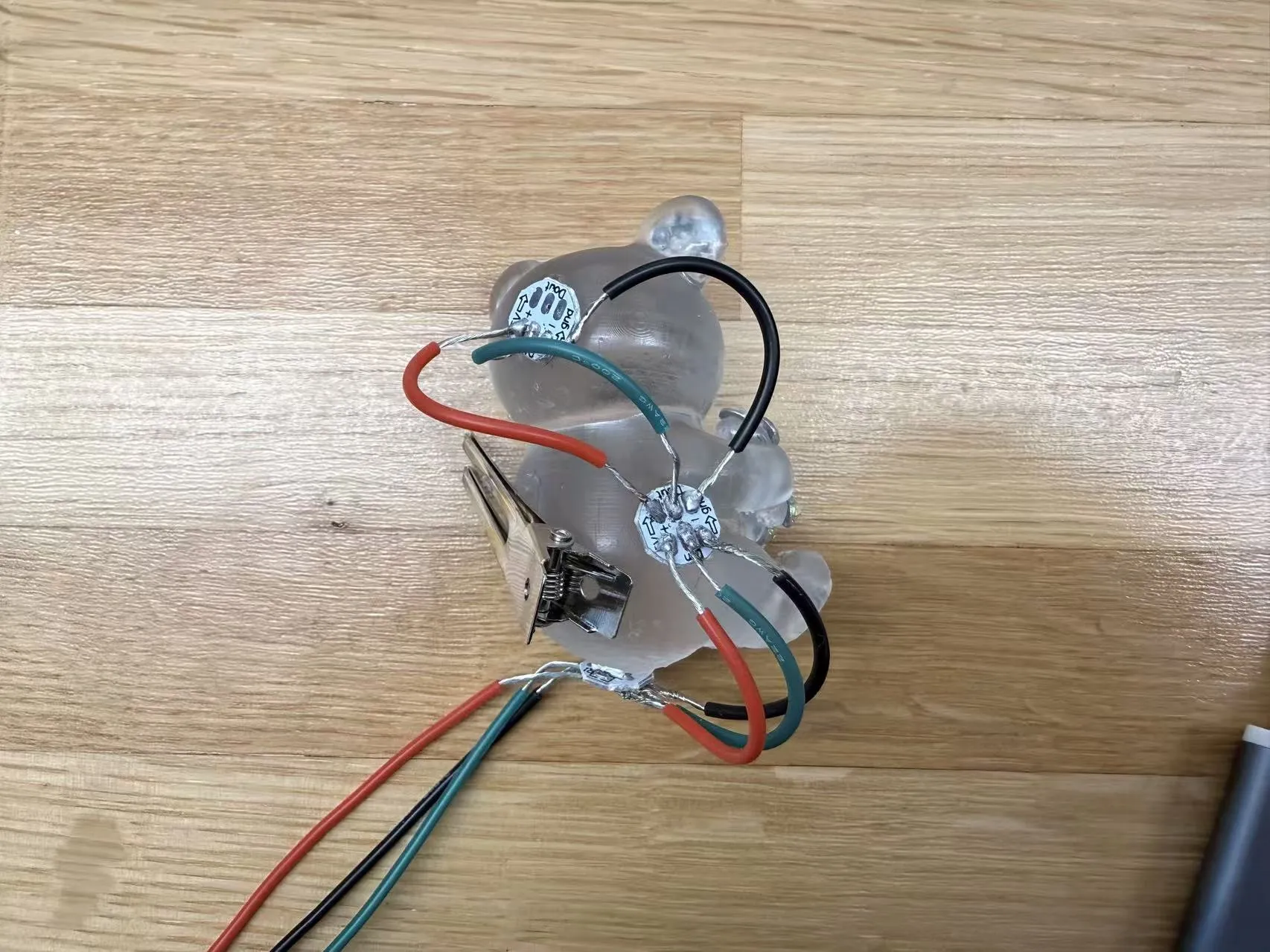
The technical feasibility is validated via ESP32 and Wokwi simulation:
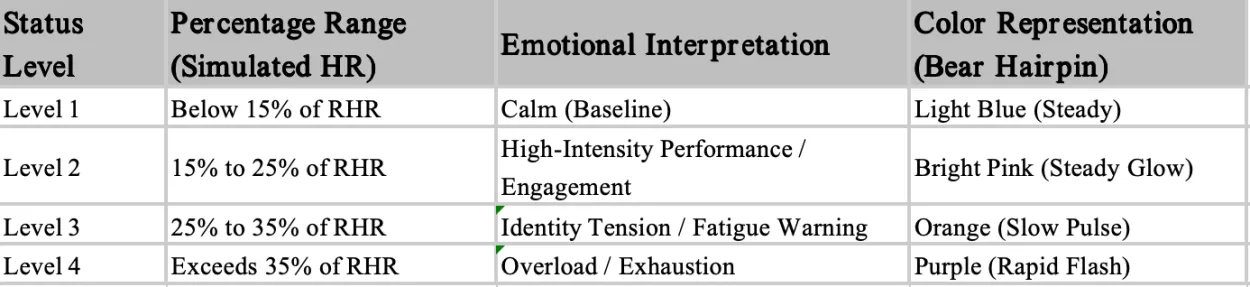
Using Resting Heart Rate (RHR) as a baseline, the system categorizes states into four levels:
The post-stream ritual facilitates a psychological "de-role" process, releasing the "residual persona" and restoring the authentic self. Drawing from performance psychology, it translates recovery mechanisms into a structured, four-step interaction.
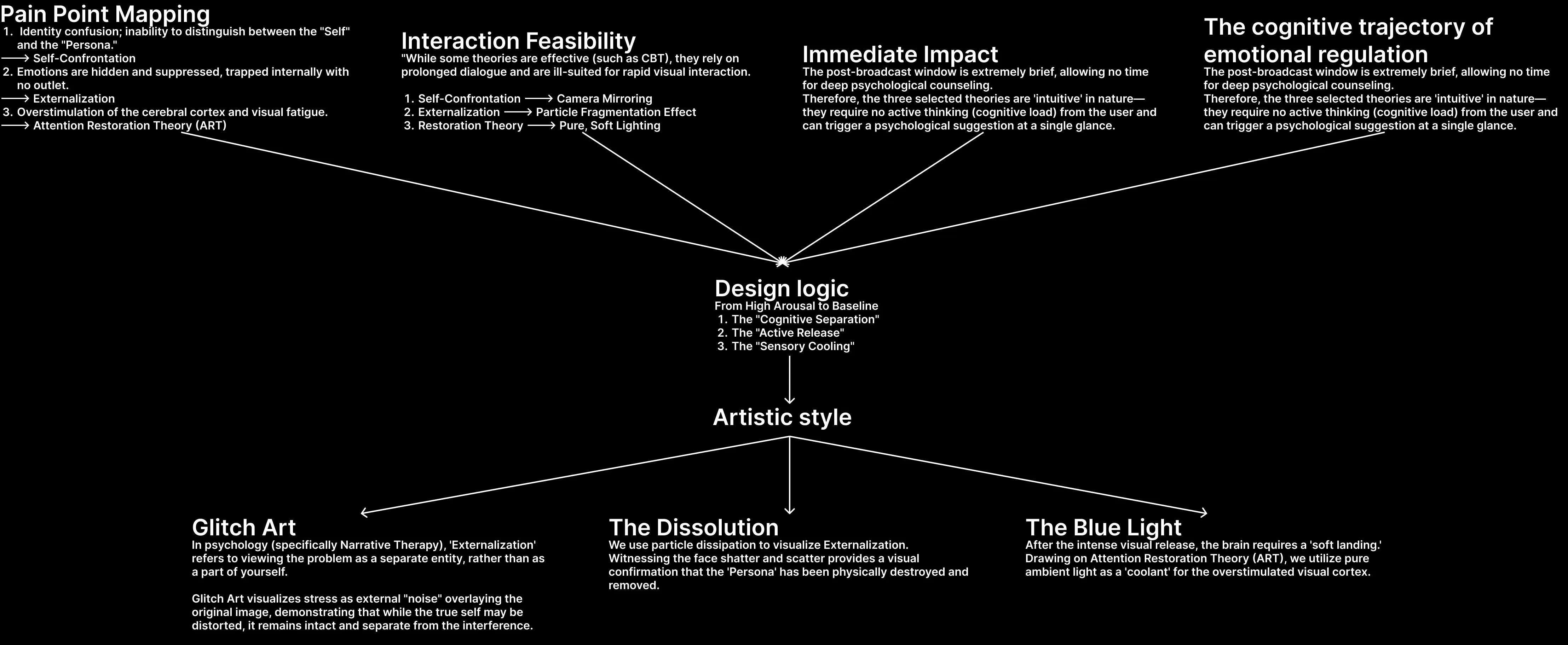
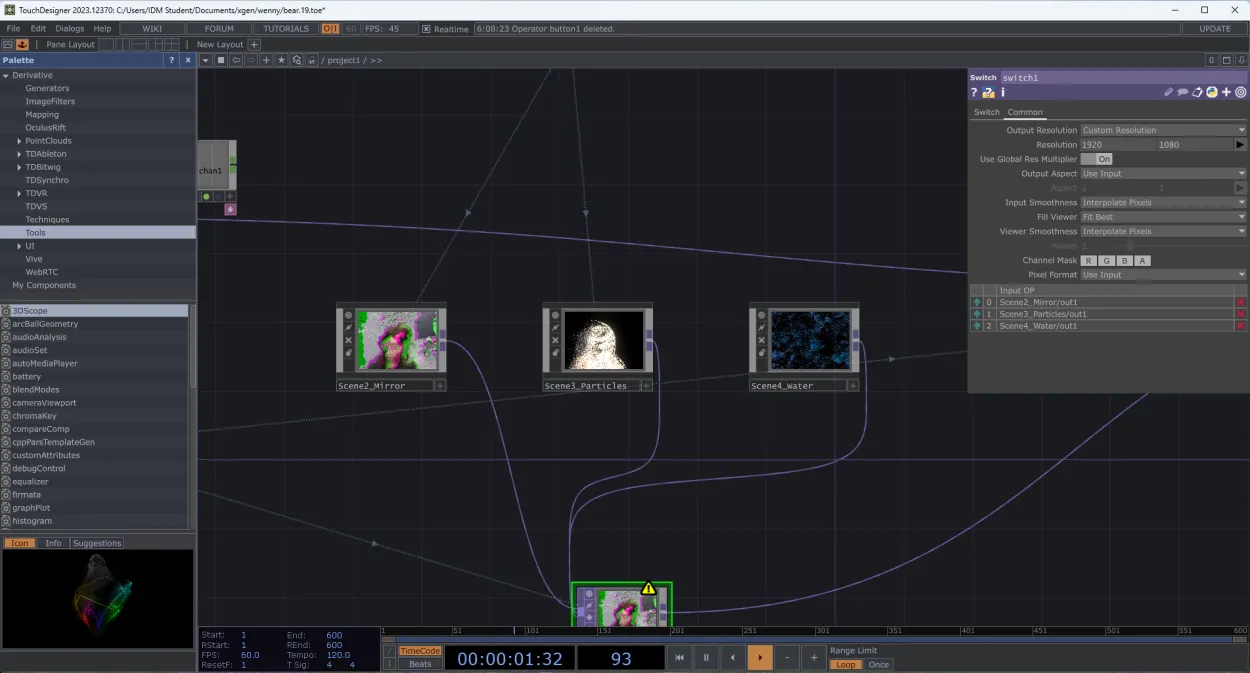
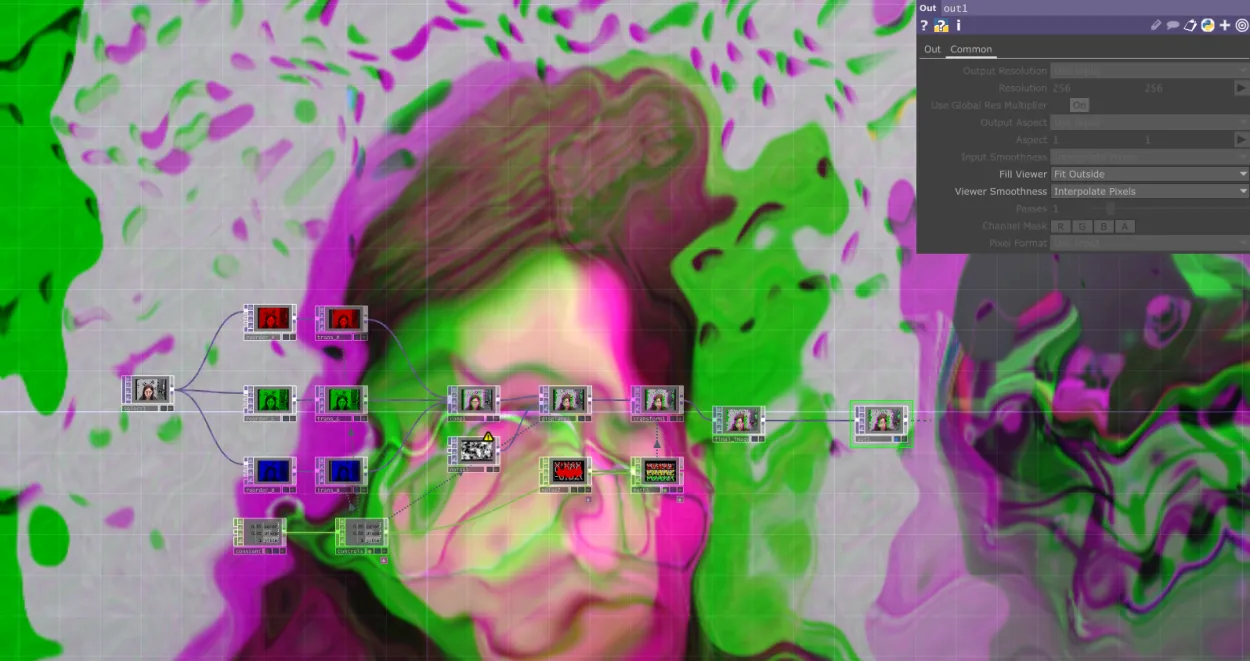
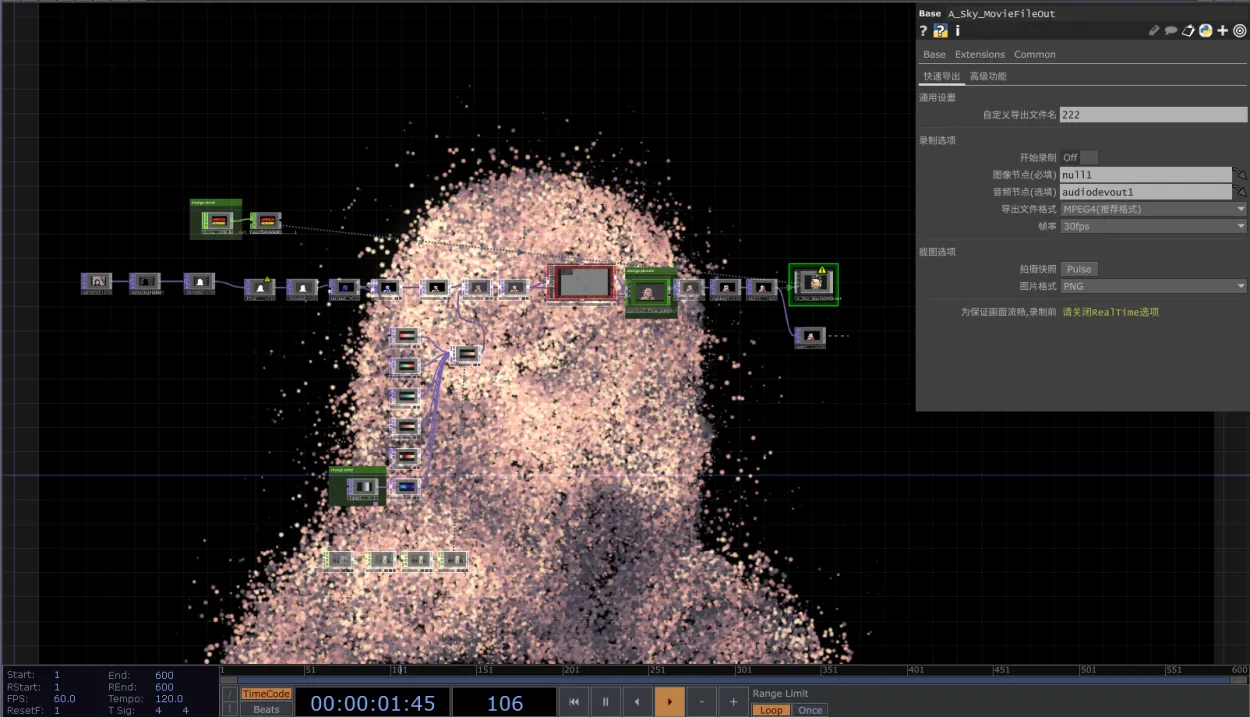
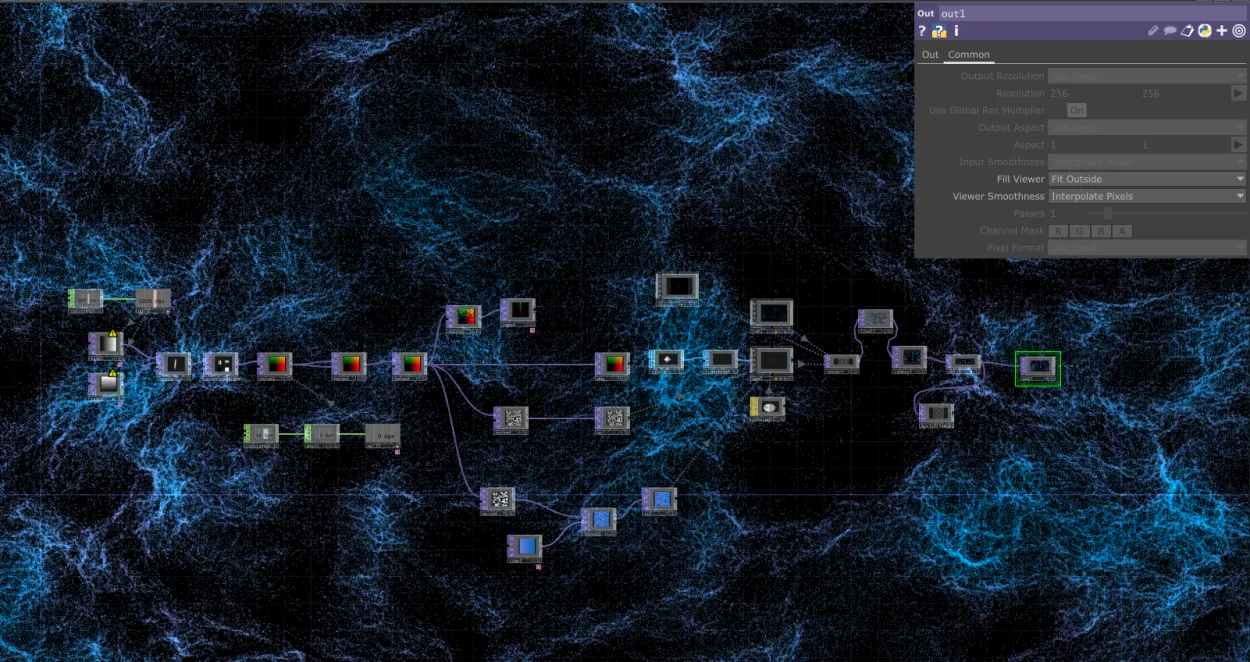
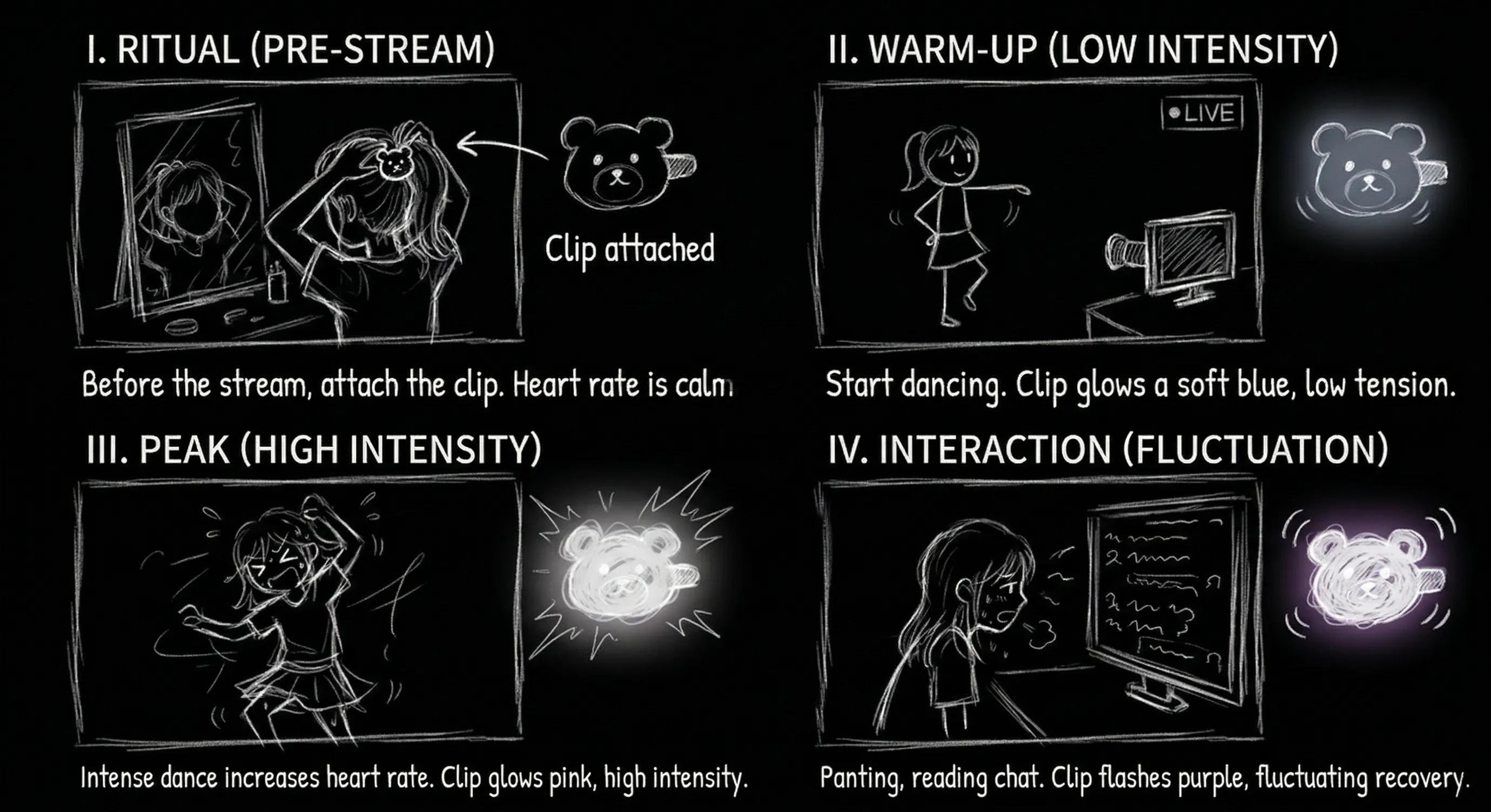
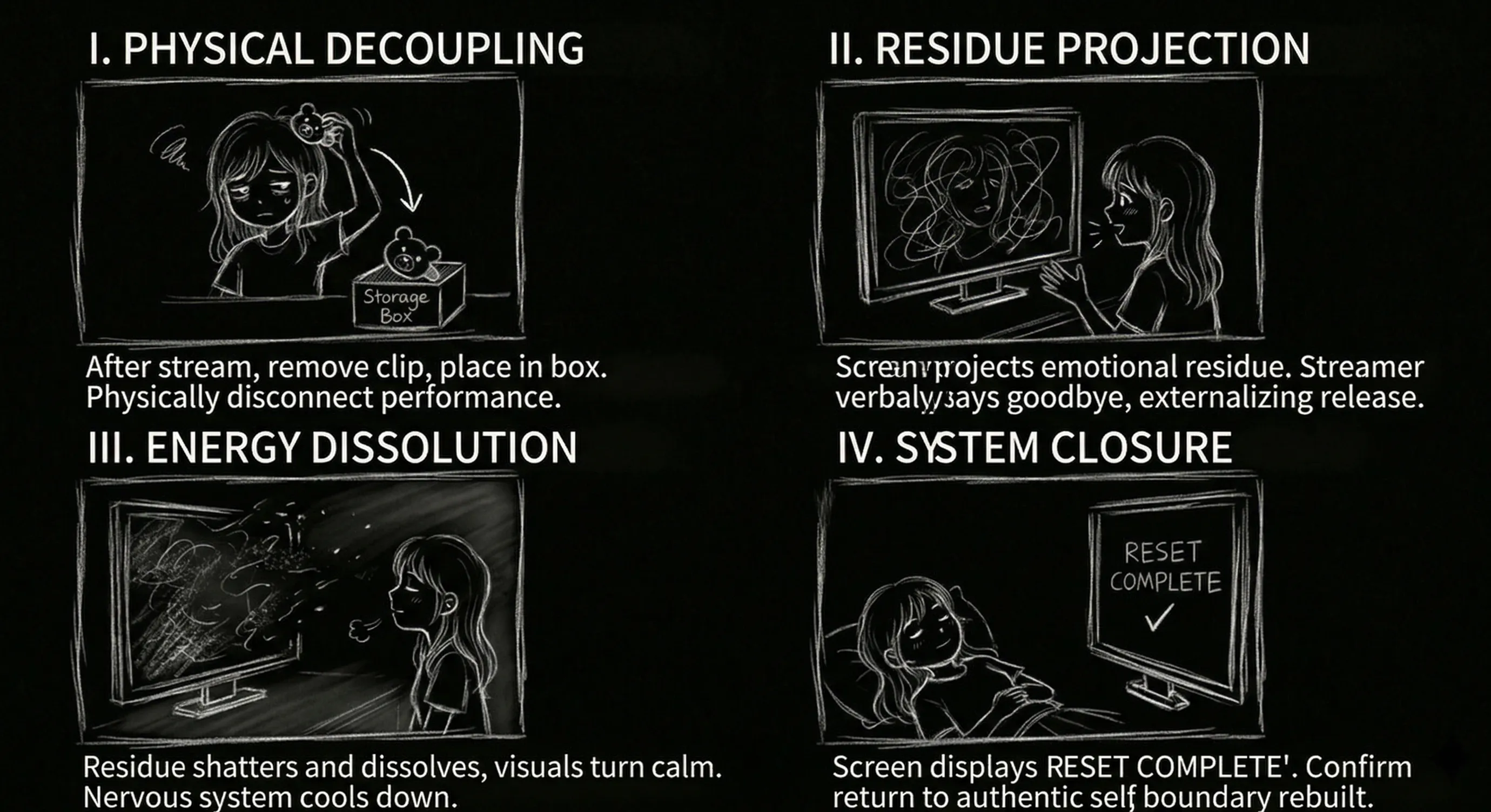
During the live stream, the bear clip visualizes the performer's emotional intensity through real-time color changes. After the show, a four-step ritual guides her to physically and psychologically shed this performance persona and reclaim her authentic self.
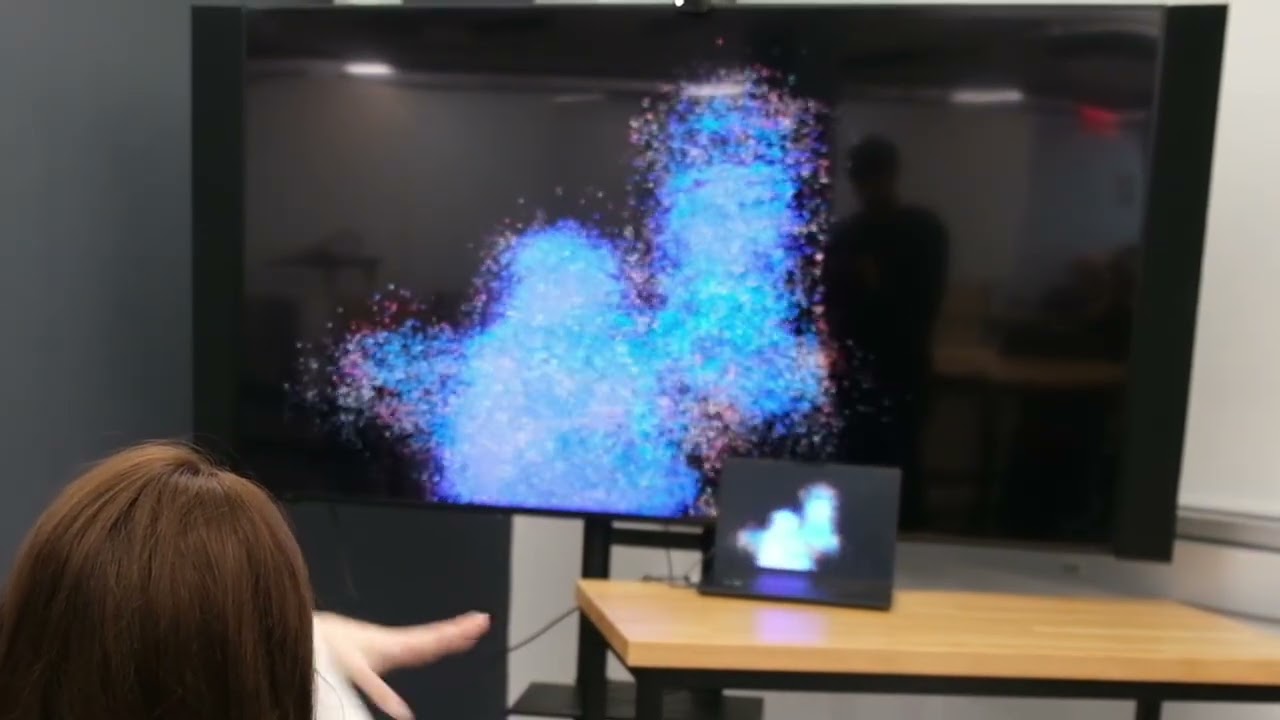
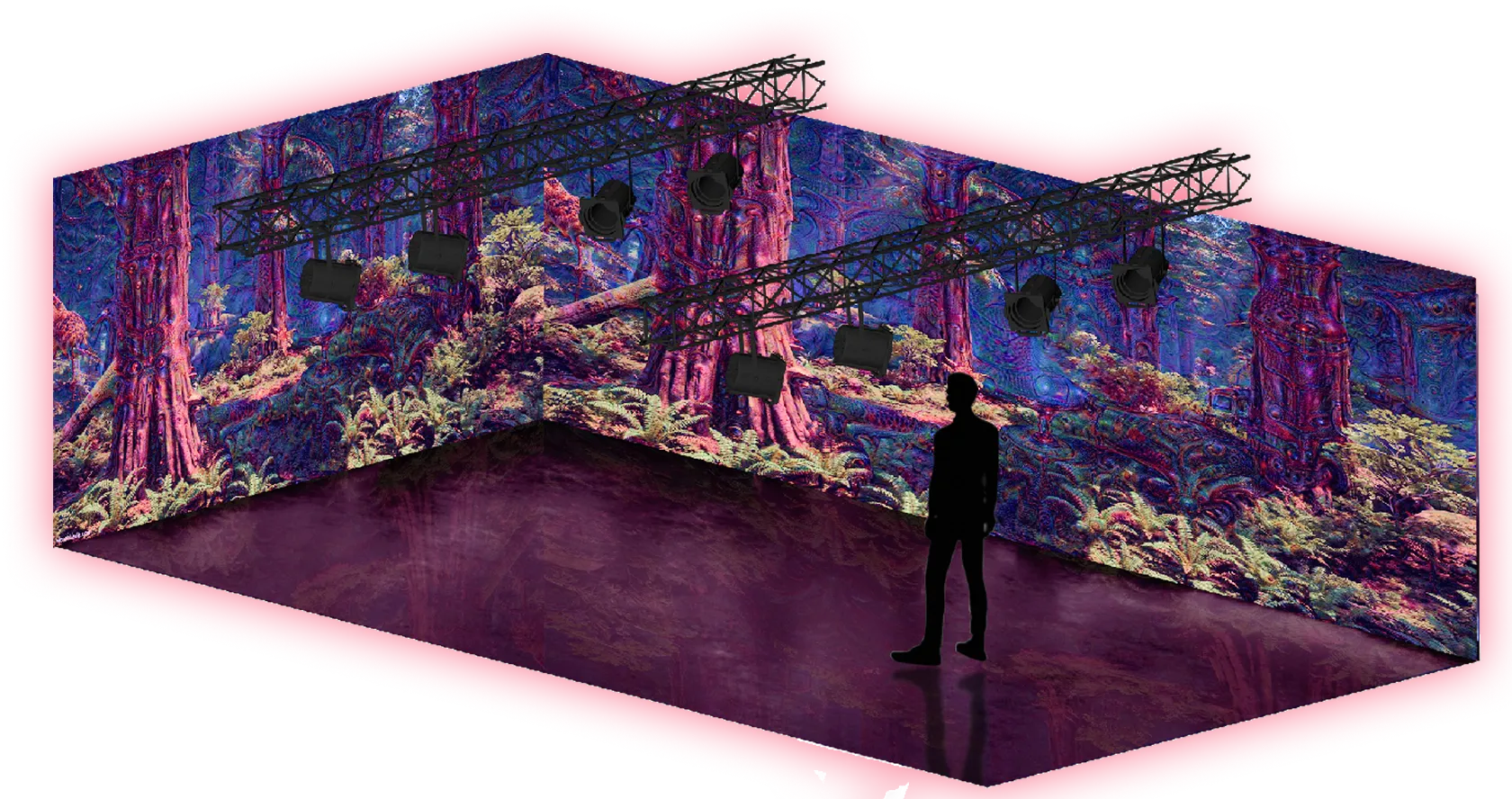
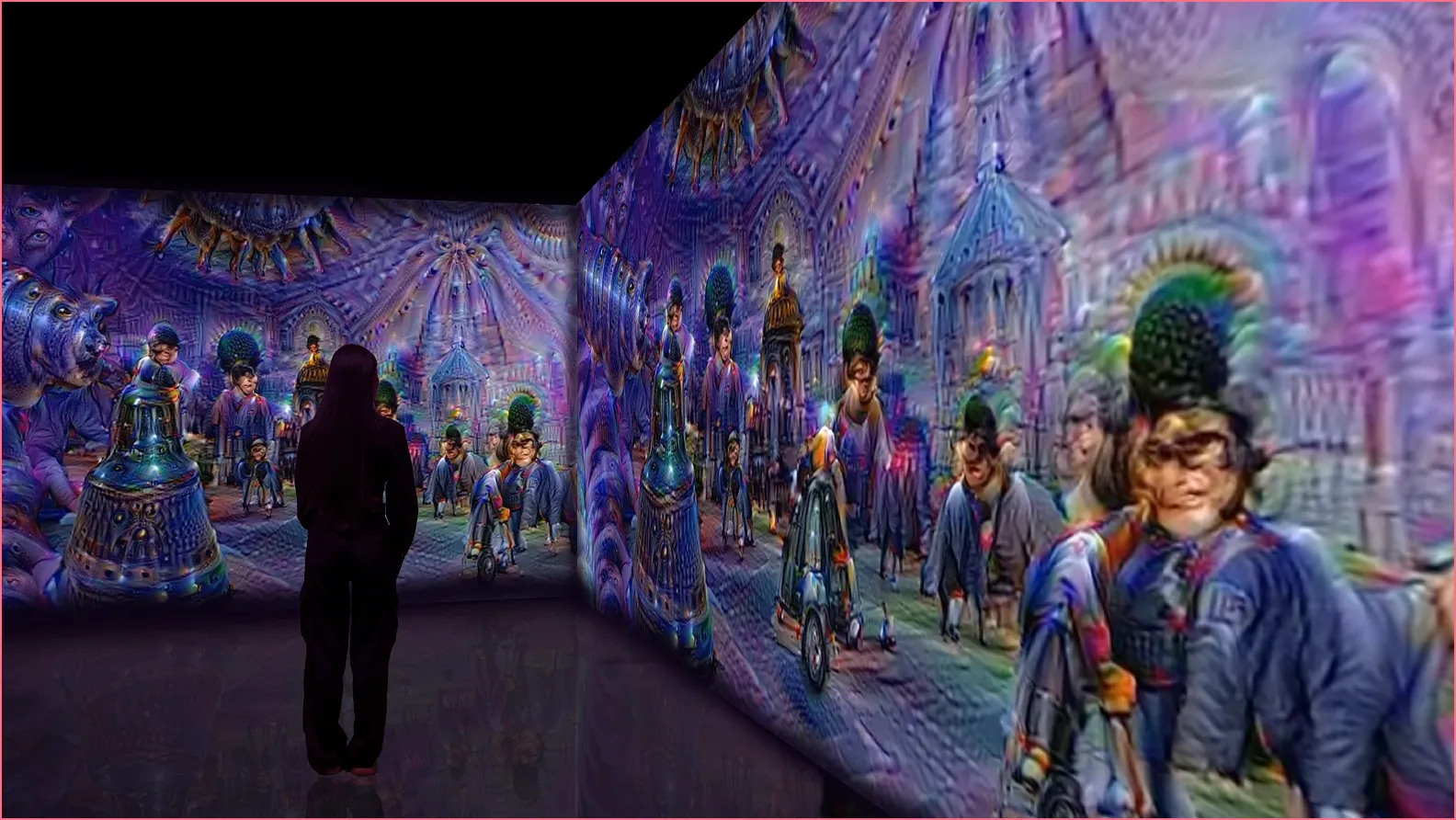
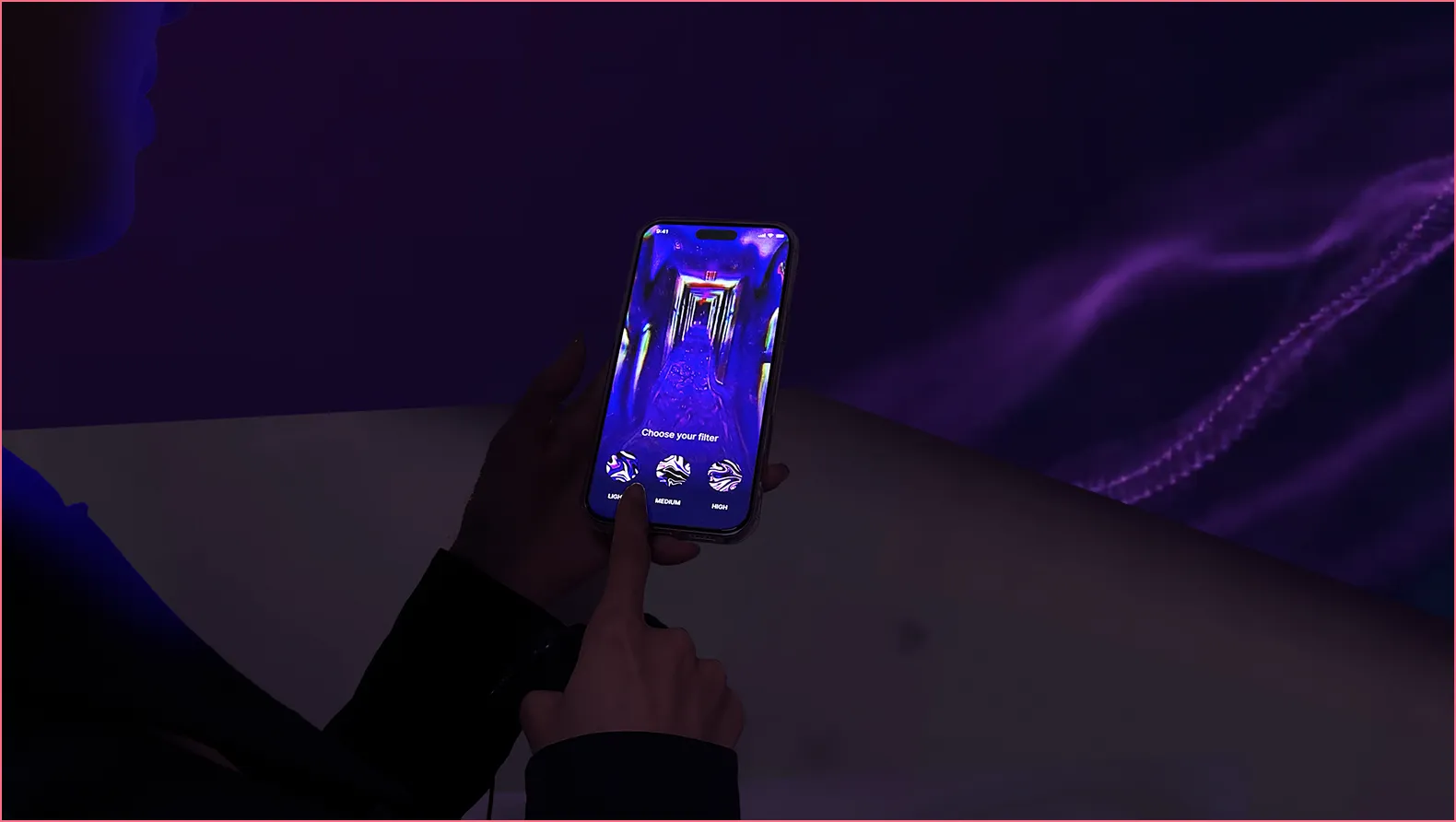
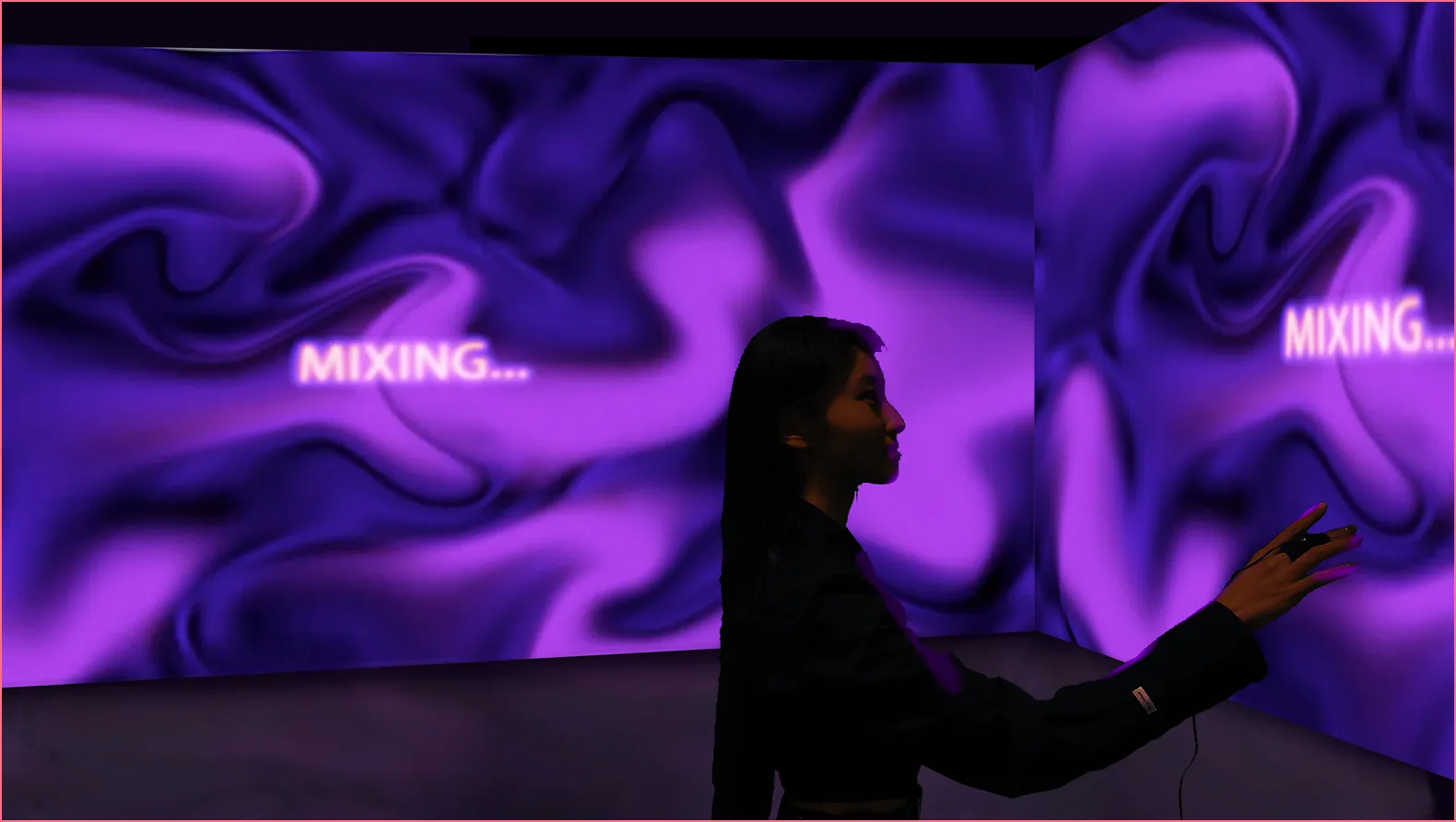
This immersive experience simulates the hallucinations caused by poisoning from the See Hand Blue mushroom, known for its toxic and hallucinogenic effects. Using a deep learning network built with Python and Caffe, users upload images that are transformed into dreamlike, surreal visuals through AI-driven image-to-image and image-to-video techniques.
The goal is to provide an interactive, immersive experience that allows users to safely explore altered perceptions of a hallucinogenic state in a controlled environment.


My hometown in China's Yunnan Province, which is located in southwestern China, by the South Bengal high-pressure air flow, it has seven temperature zones climate type, because of its unique ecological environment, known as the “Kingdom of plants and animals”.
A small number of edible wild fungi are poisonous. The main symptoms of wild fungus poisoning are nausea and vomiting in the digestive tract, coma in the nervous system, mental abnormalities and other symptoms. In more serious cases, it can lead to organ failure and death.
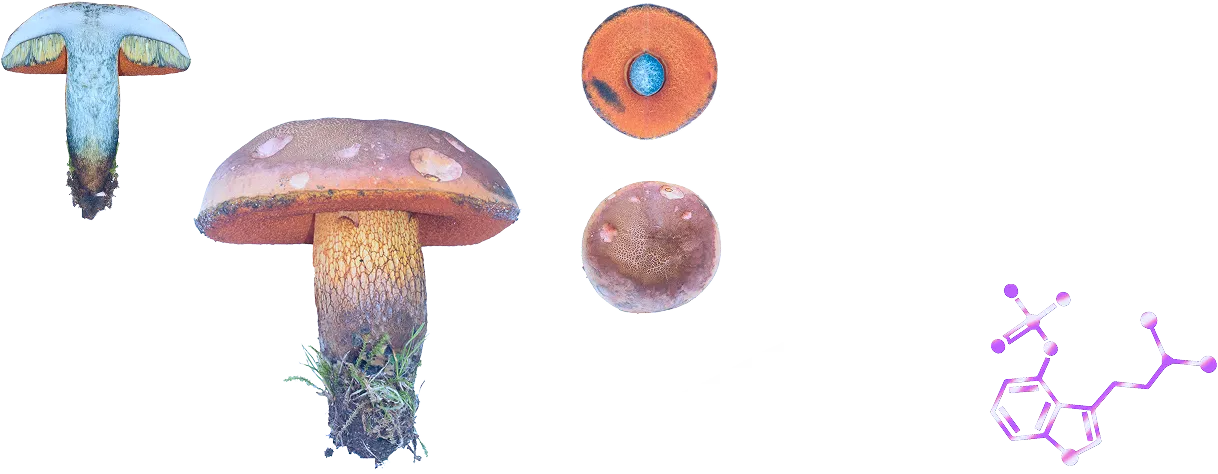
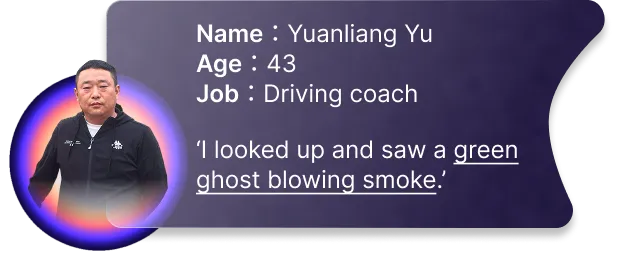
Lurid bolete can be poisonous if cooked improperly. Common manifestations include double vision, seeing many little people dancing, and other hallucinations. In severe cases, symptoms such as drowsiness and unconsciousness may occur.
Hallucinations may cause perceptual confusion, causing an individual to feel that they are experiencing heightened or altered senses, but are actually due to abnormal activity in the brain.
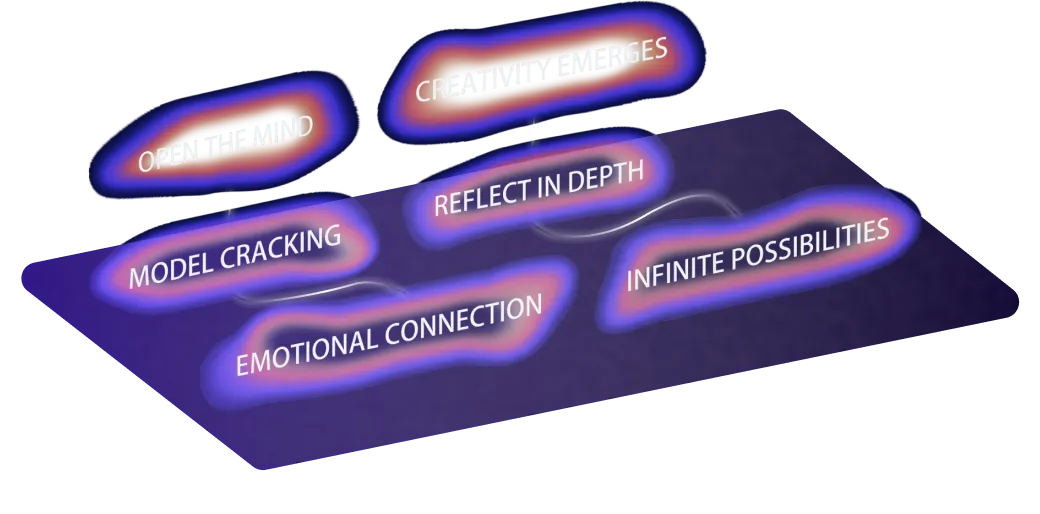
The psilocybin opens up a new connection in the brain, so the brain is stirred up to establish a new pattern that is different from the usual one.
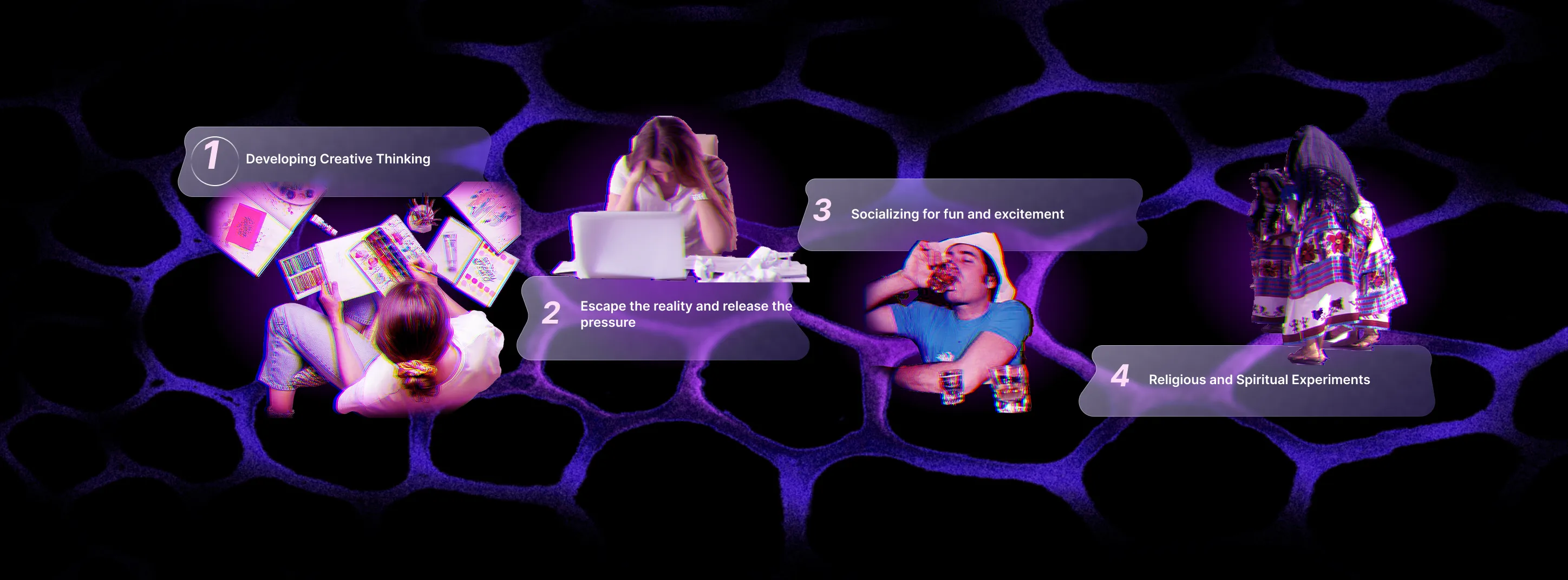
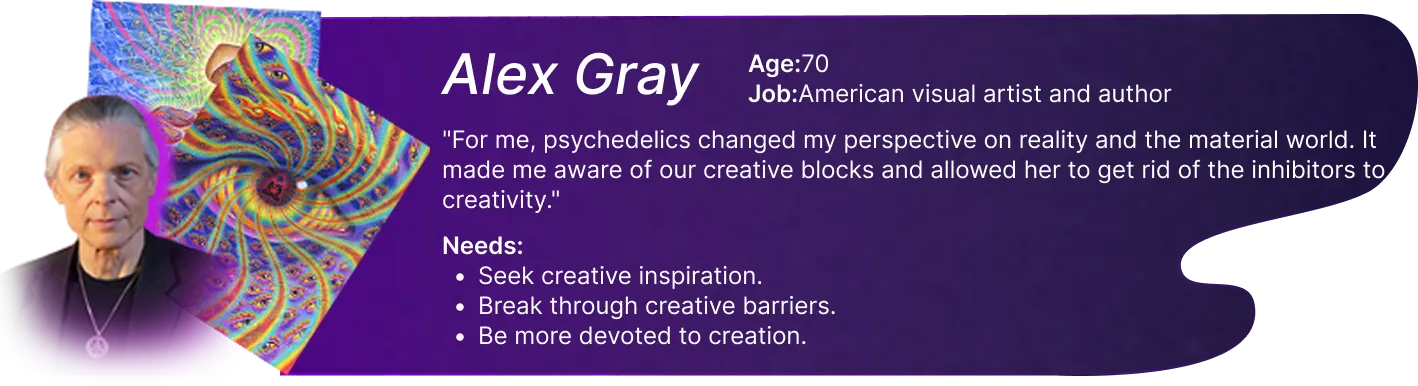
In scenarios where creative thinking needs to be developed, hallucinations may work in these ways.
Summary:
Painter:

Music creator:

Writer:
Can the illusion of artificial intervention be formed through the intervention of digital technology, and be used to expand another way of thinking for art creators from an objective perspective?
Create more randomness
Sensory Deprivation
Immersive experience
Image-to-Image Generation
Input Image
Original input image, serves as the base for transformation.

Intermediate Layer Activation
Each layer adds details: edges in lower layers, patterns in higher layers.
Final Output Image
The final image is dreamlike, with vibrant colors and abstract patterns.
Image-to-Video Generation
Frame-by-Frame Processing
Each frame is processed individually with hallucination effects.
Temporal Consistency
Ensures smooth style transitions between frames.
Final Video Output
Processed frames are combined into a dynamic hallucination video.
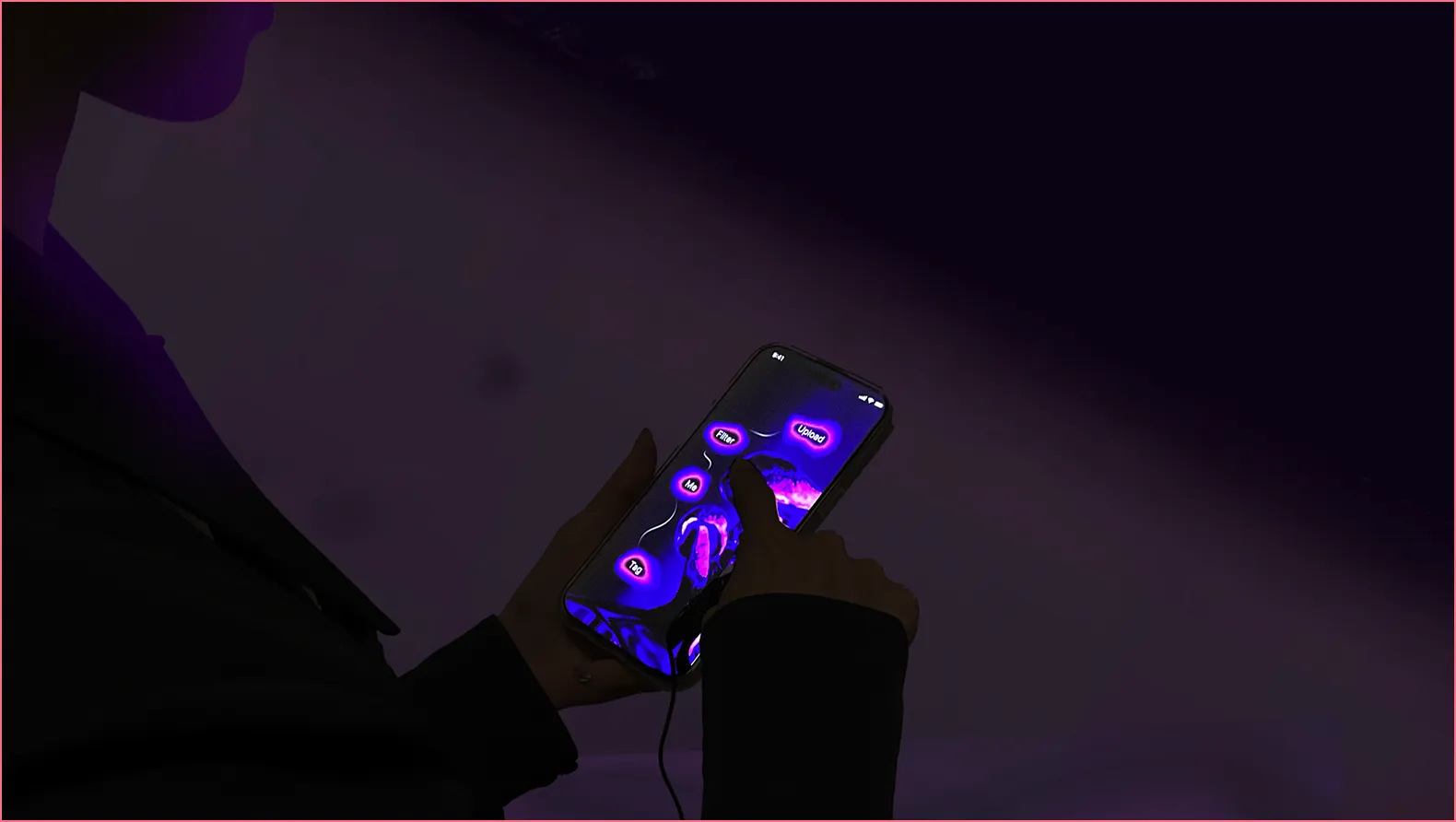
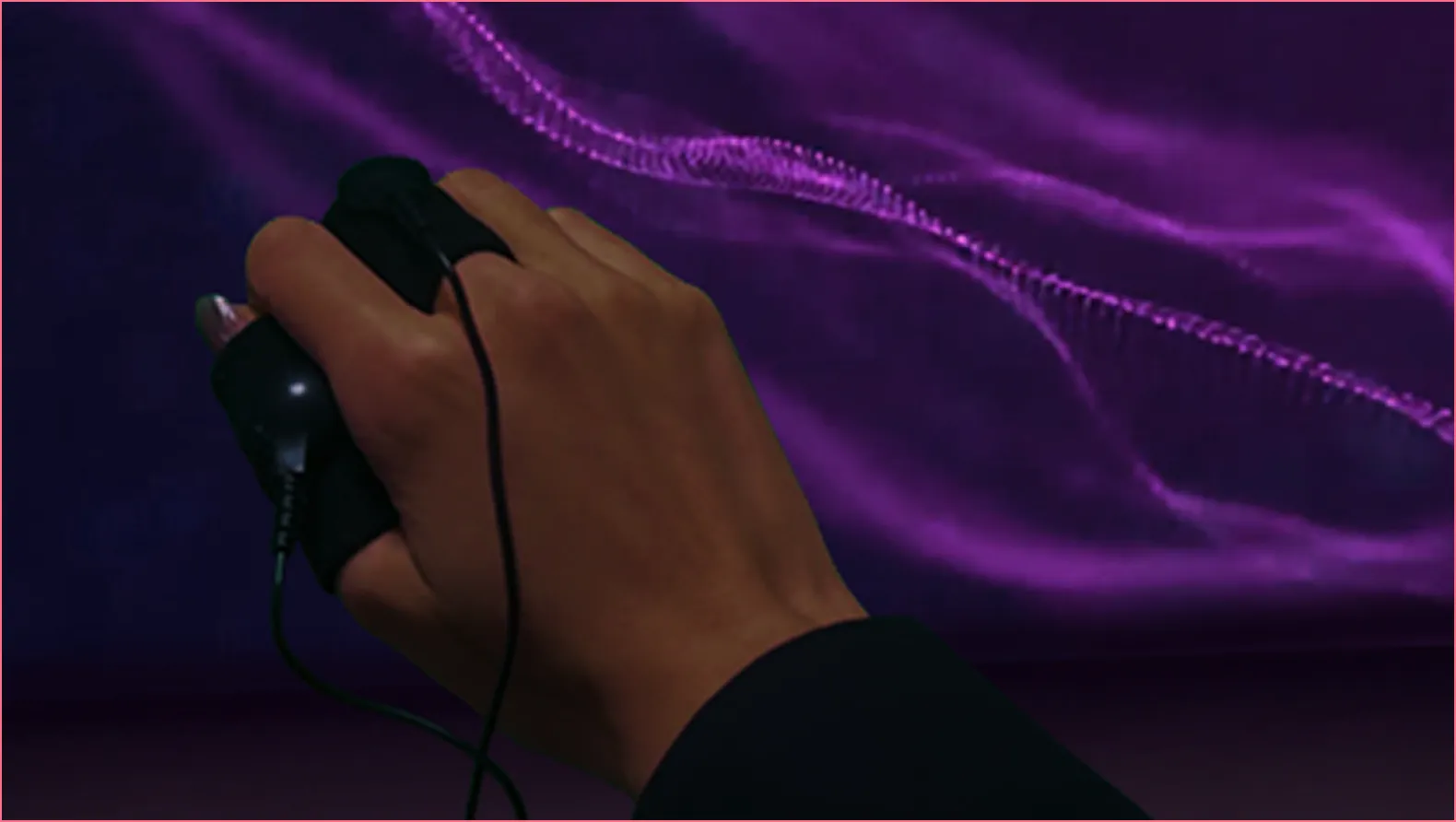
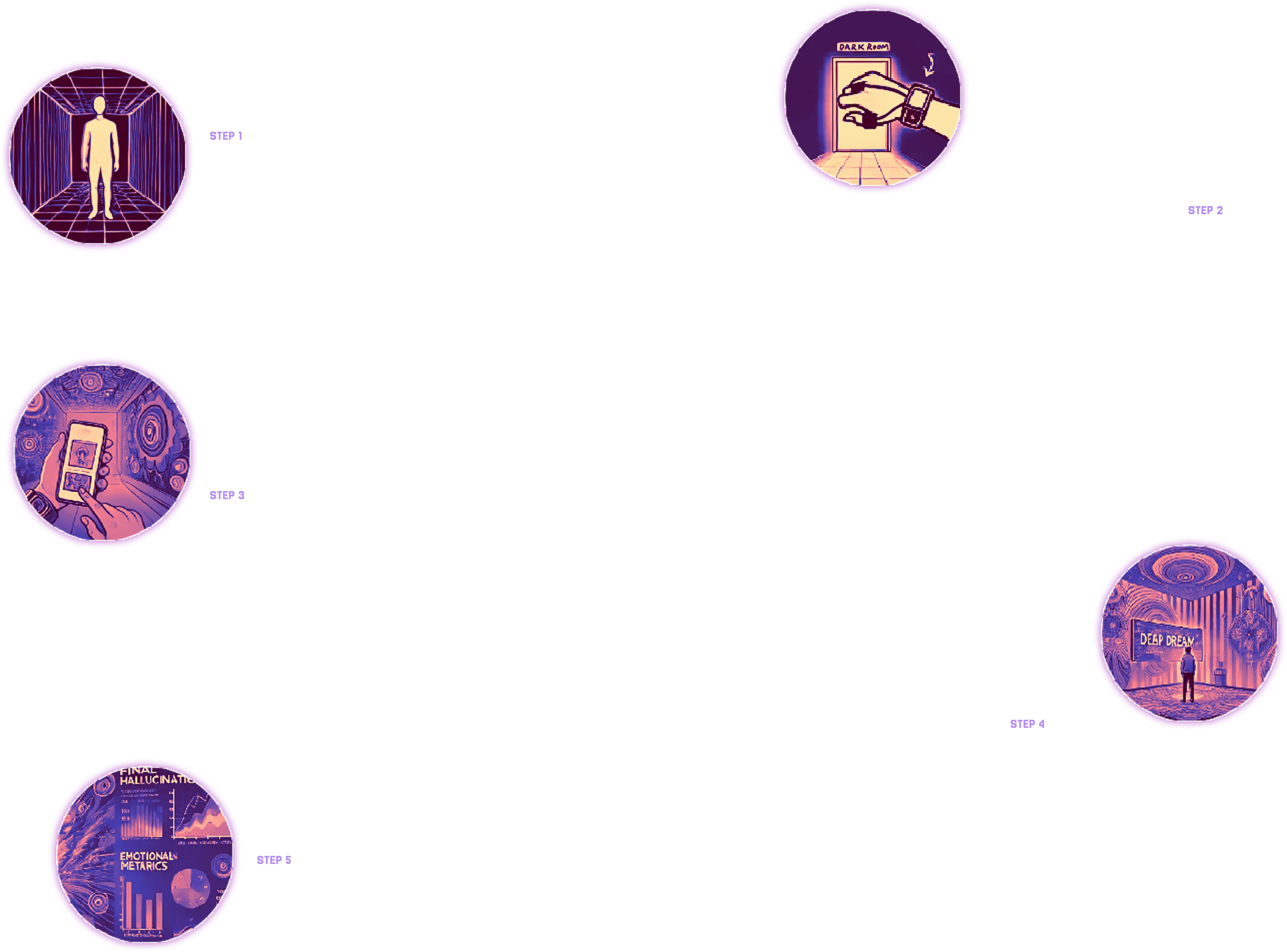
Build an immersive experience space in which artists can simulate the hallucinogenic effects of lurid bolete poisoning through vision and hearing. Users can upload the image they want to generate and then choose the blending level.
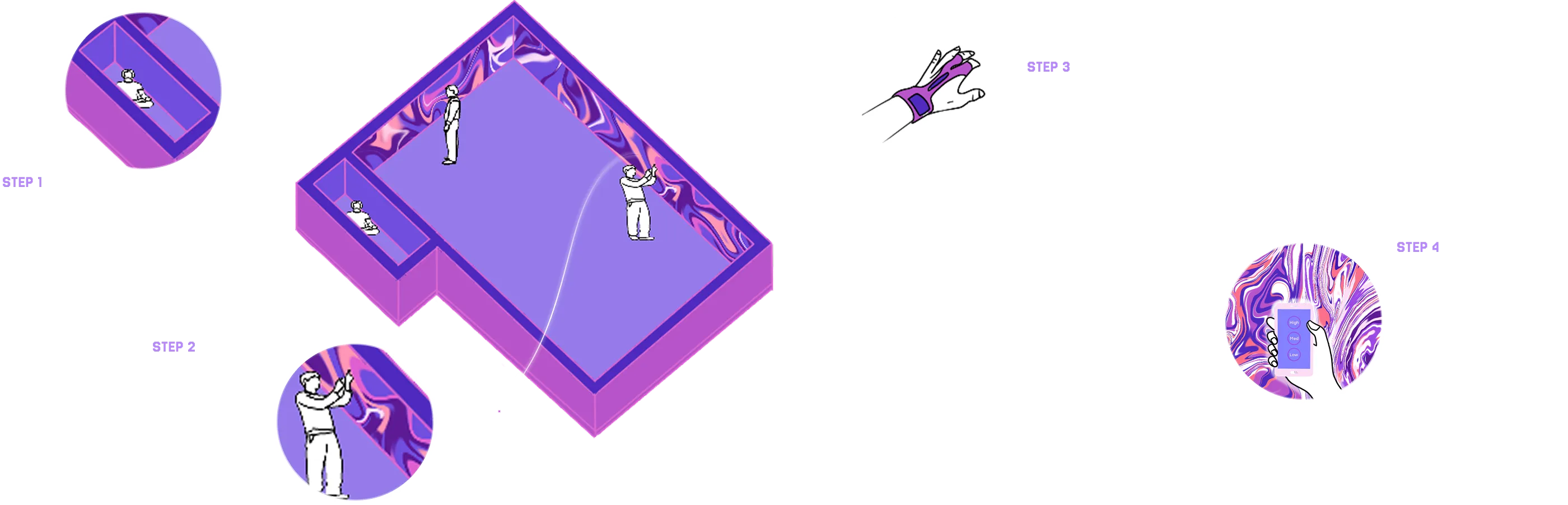
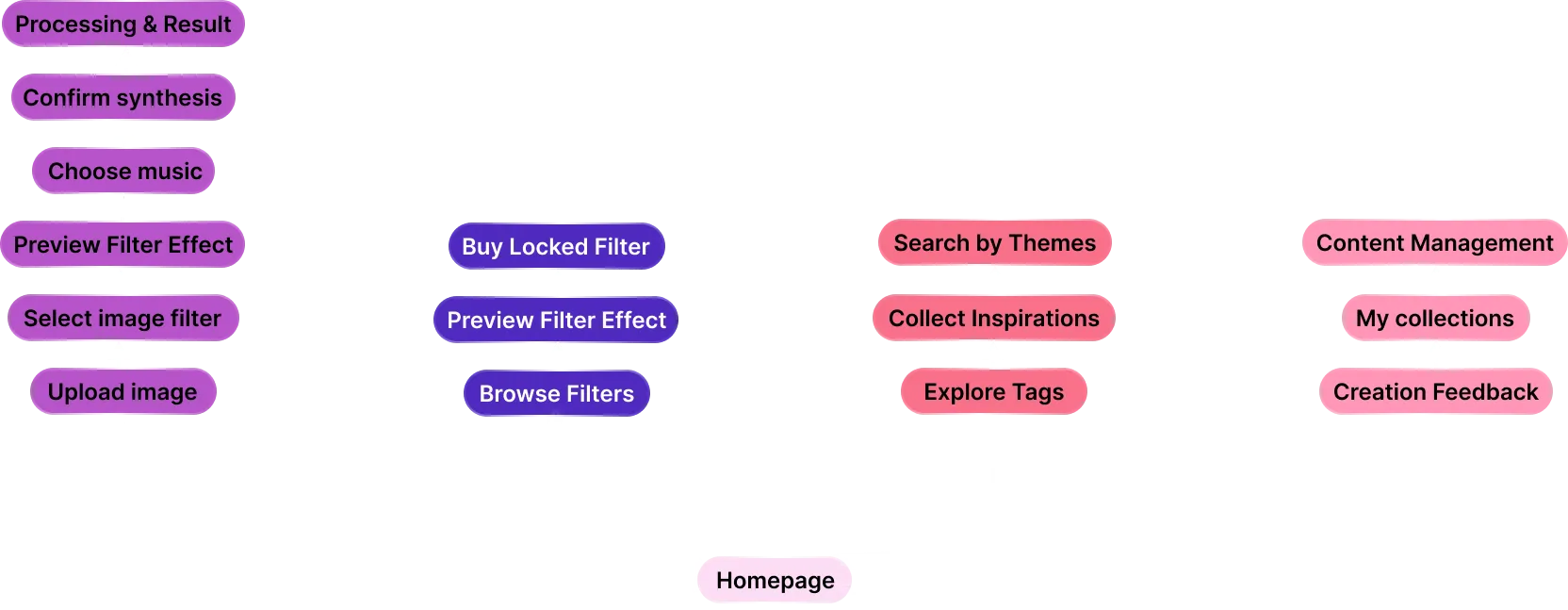
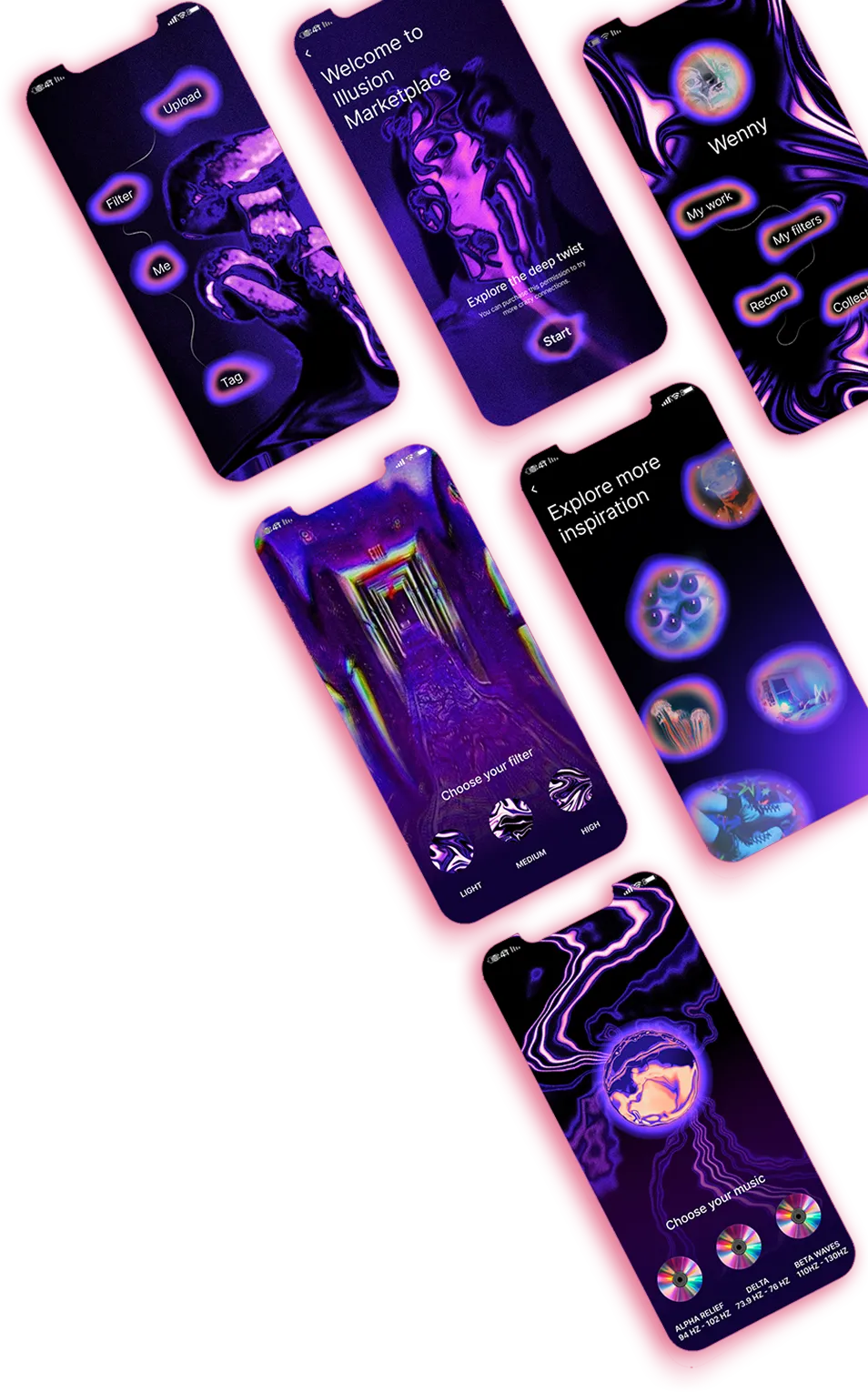
The first path allows users to upload images, apply filters, and customize content with music before synthesizing the final output.
Users can explore various filters, preview their effects, and unlock premium filters for advanced visual styles.
The second path is designed for inspiration discovery, allowing users to explore tags, collect ideas, and search for thematic content.
Users can manage their collections, view feedback, and organize their generated content for further refinement or sharing.
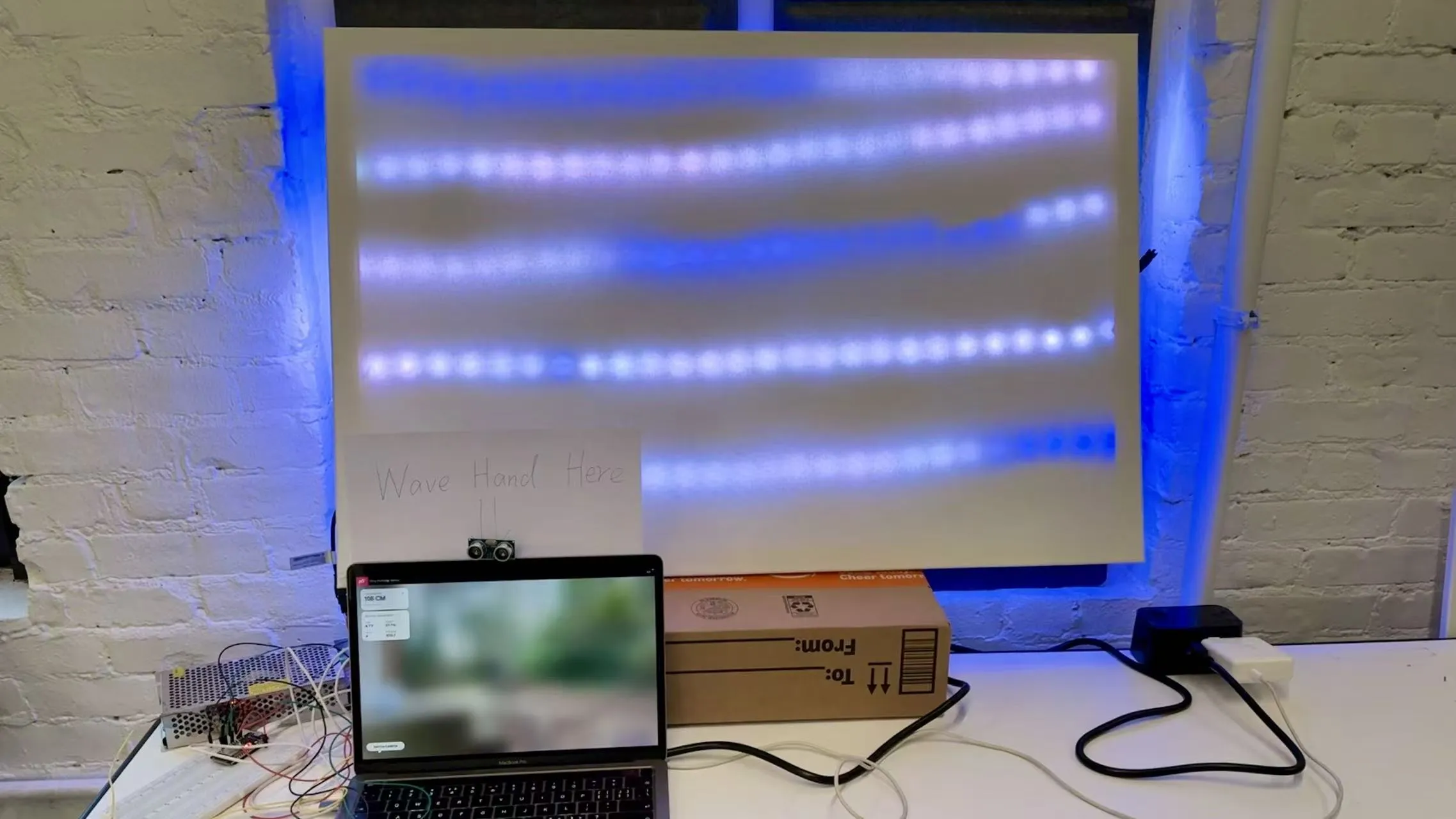
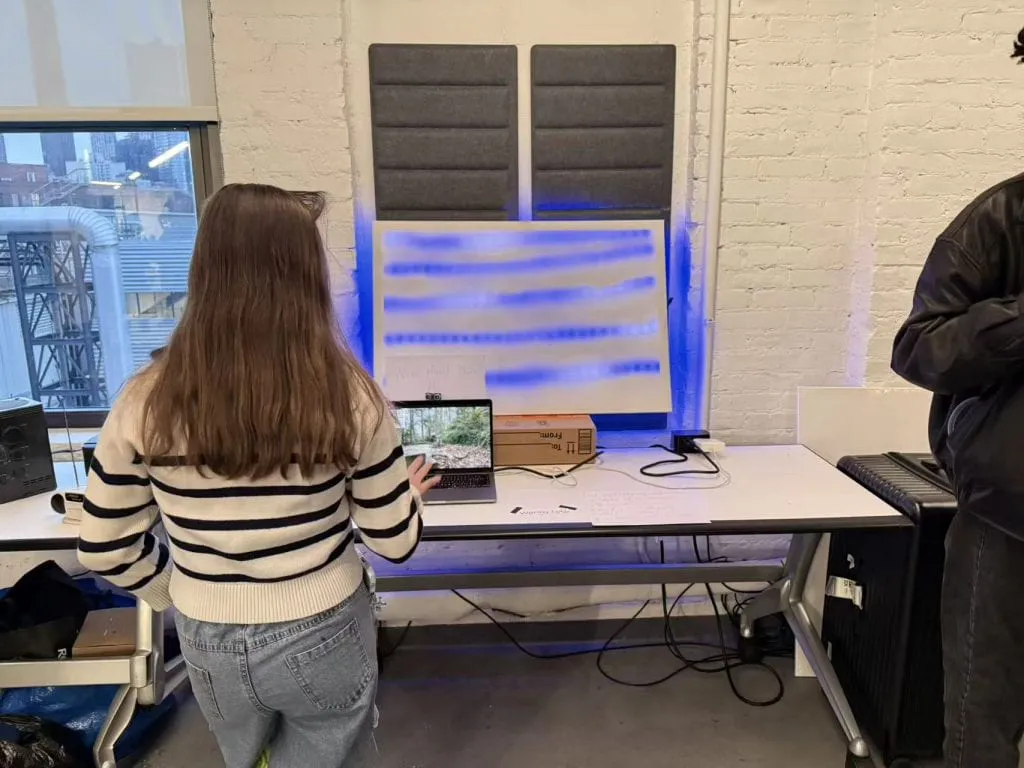
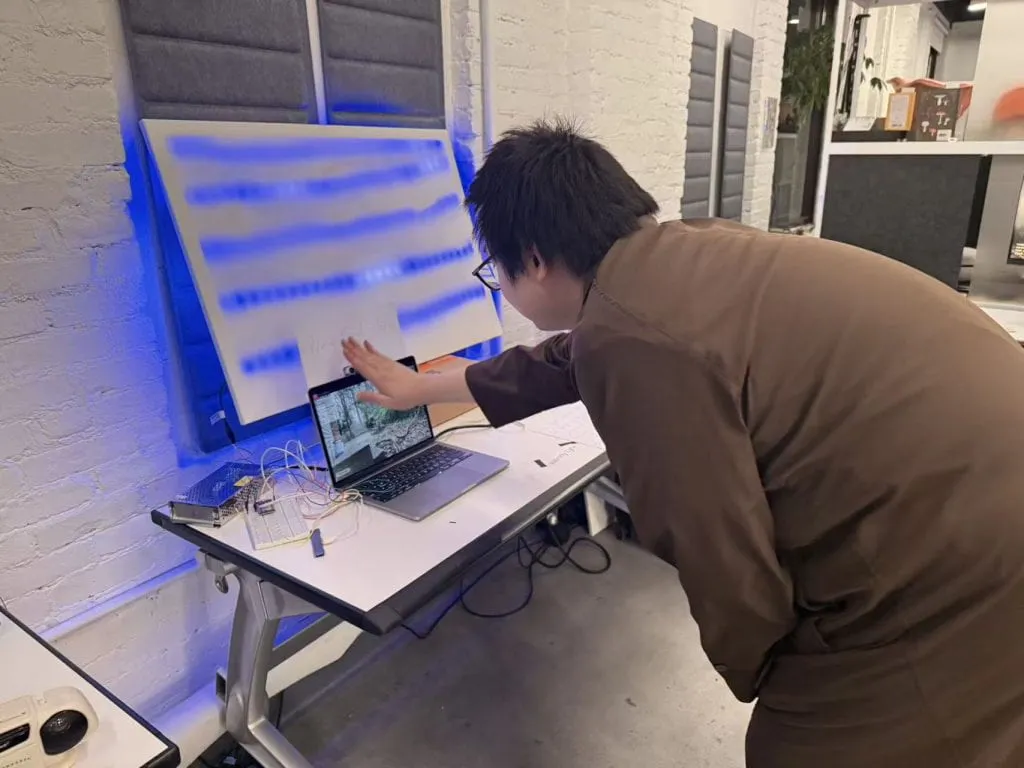
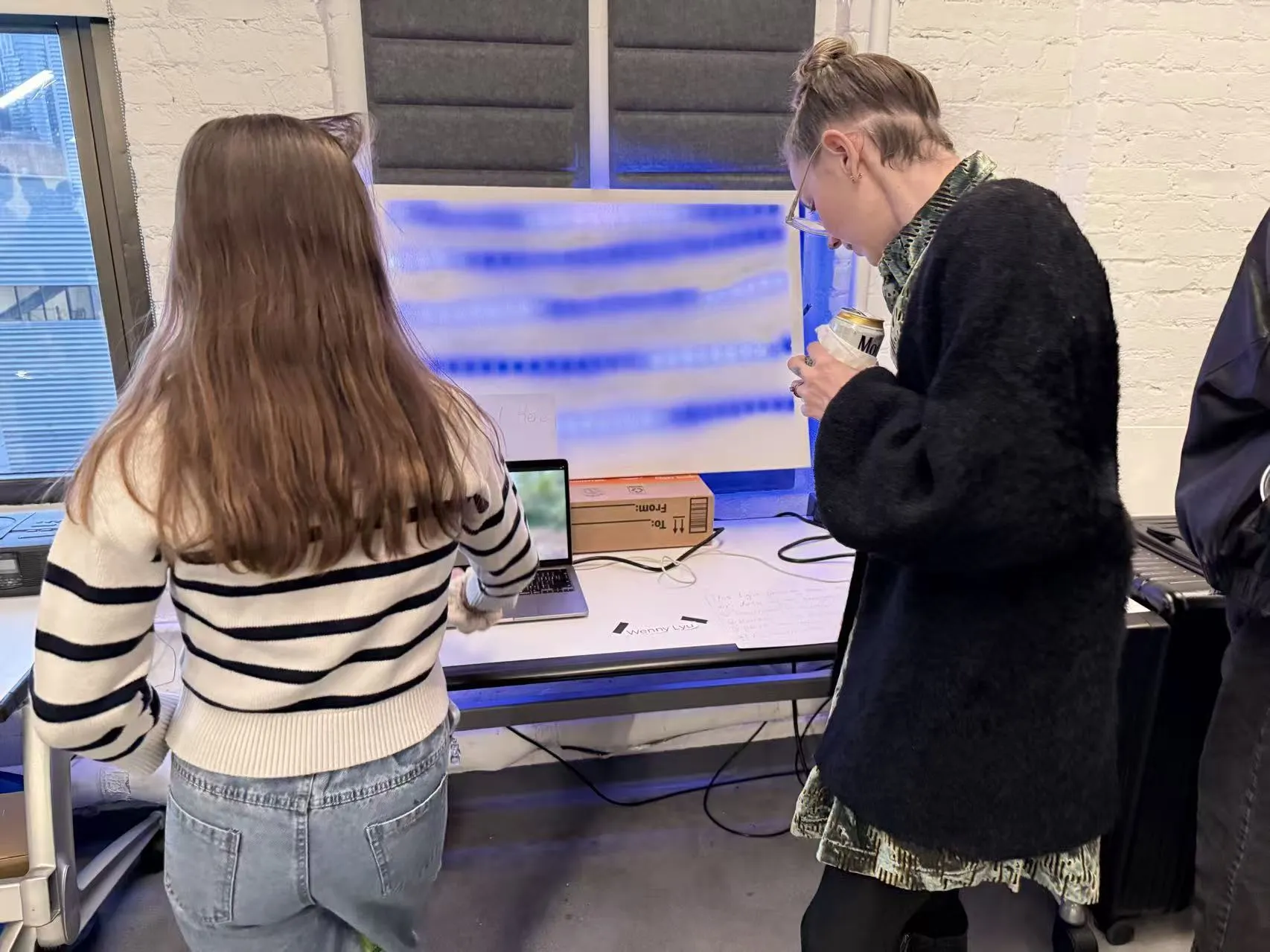
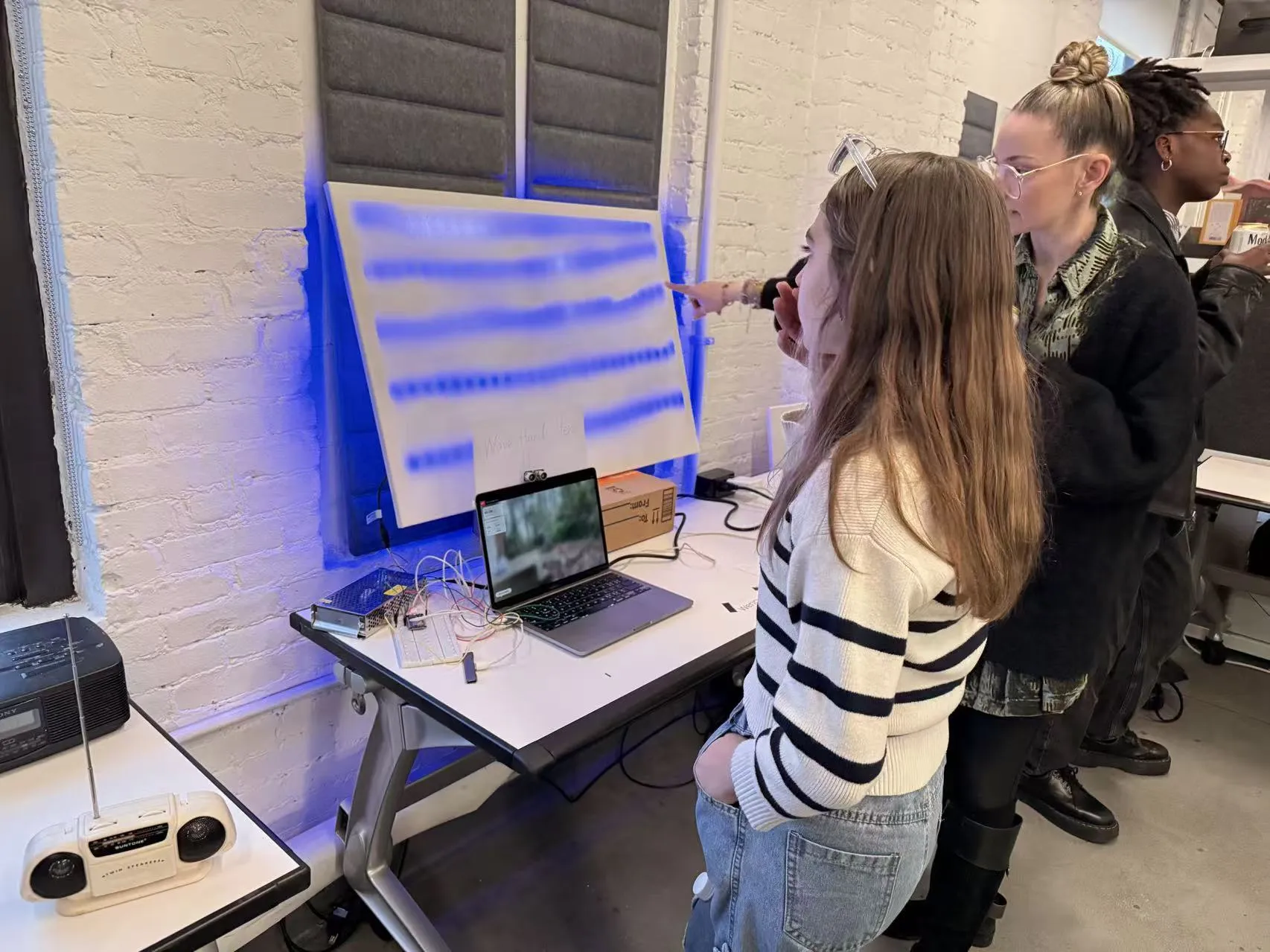
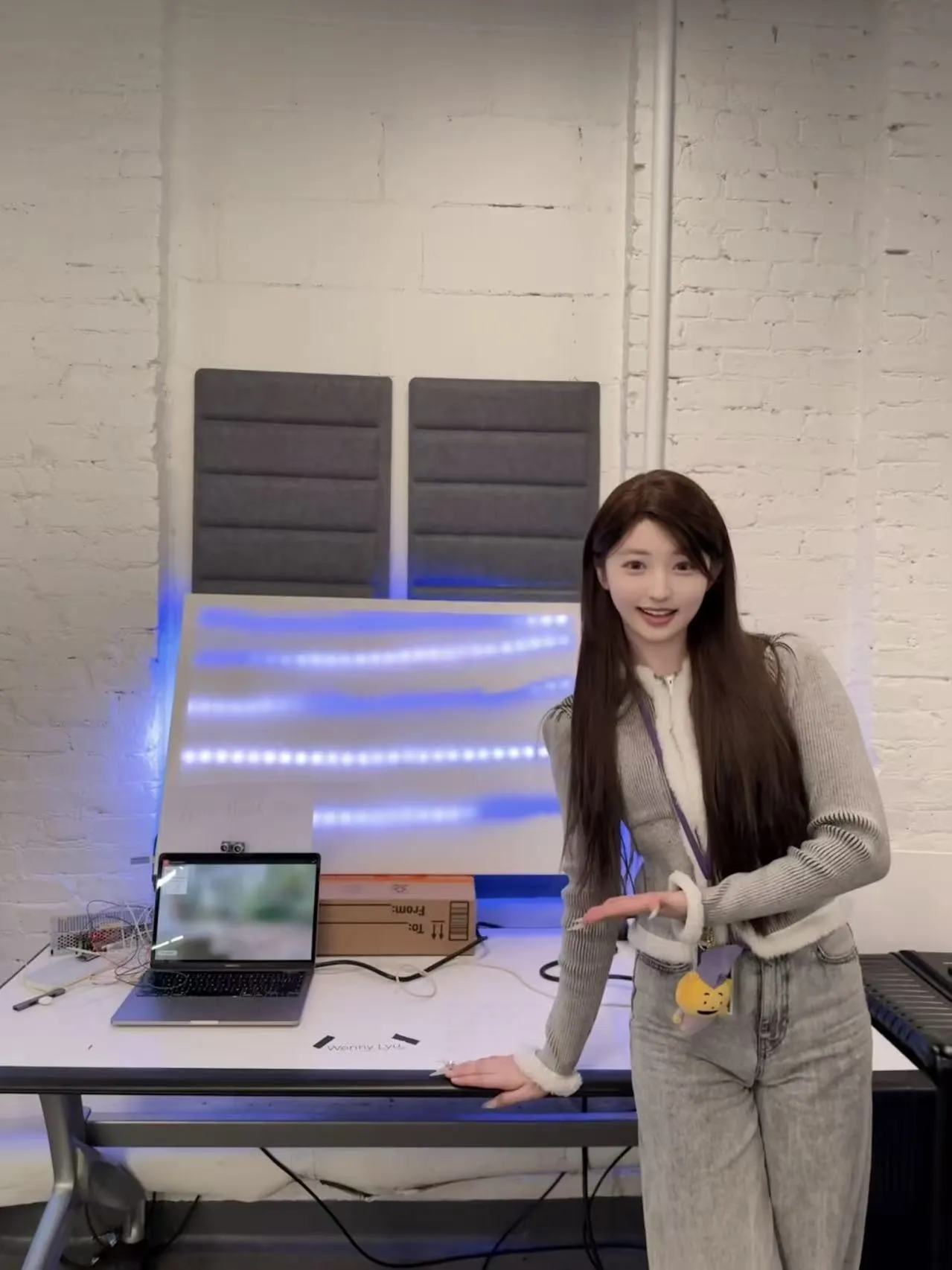
An artistic experiment in telepresence, Air Tapestry utilizes an ESP32 sensor network and custom algorithms to translate the air quality and climatic rhythms of a remote backyard into a soft, tactile LED matrix. As viewers approach the installation, a blurred livestream gradually resolves into clarity—forging a fragile yet profound emotional connection between a physical site slated for demolition and the observer in the present moment.
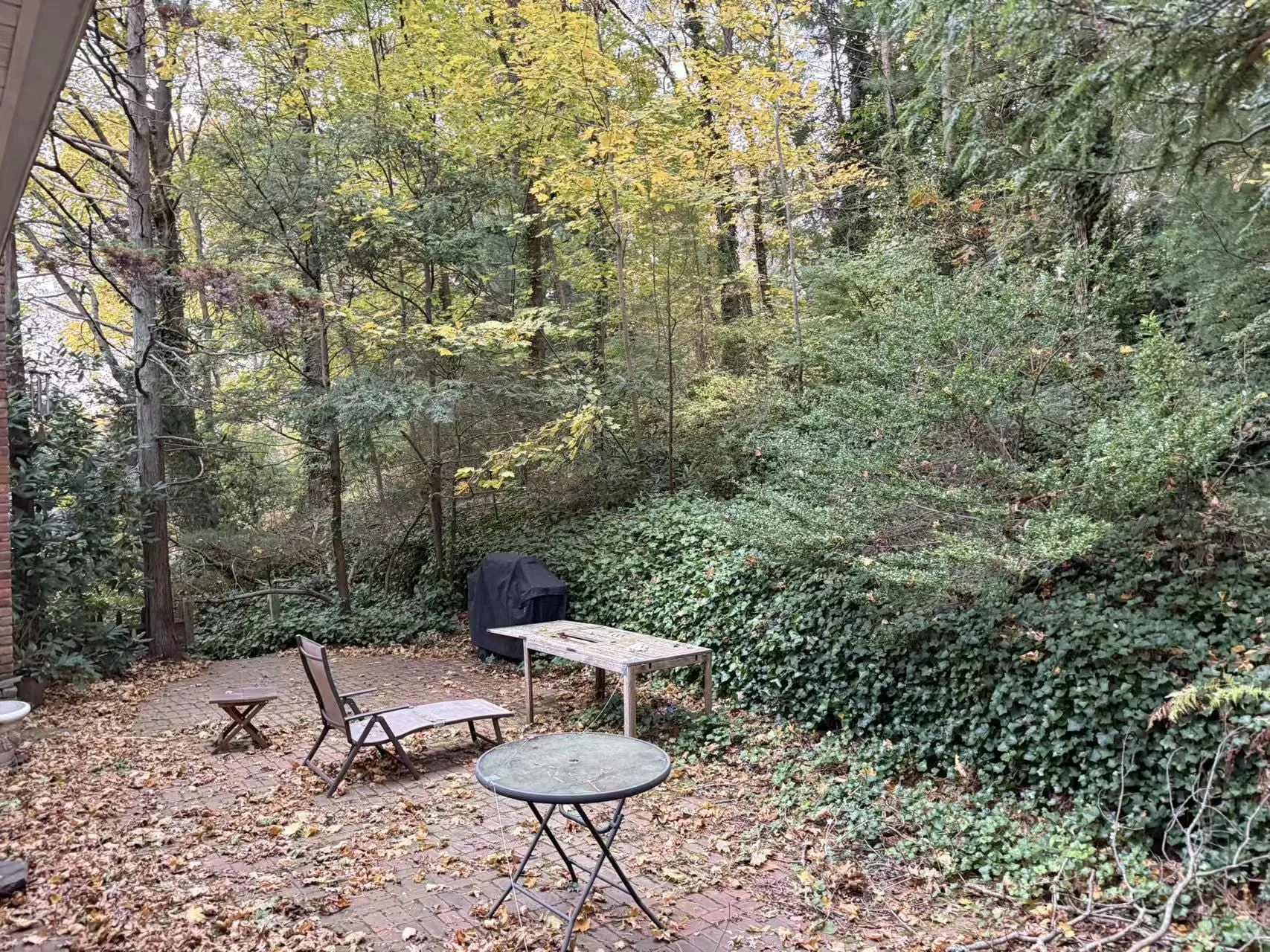
Context: This site is ephemeral; the backyard is scheduled for demolition and expansion next year.
Concept: The project serves as a digital preservation effort, capturing a "live snapshot" of the site’s micro-infrastructure—its wind paths, thermal gradients, and Wi-Fi coverage zones—before they disappear. Instead of displaying cold charts, the installation renders this data as a soft, flowing digital textile, creating an emotional connection to a remote physical space.
Air Tapestry is a site-specific telepresence installation that transforms a remote backyard into a living "light painting" in the classroom. By combining IoT sensing with textile diffusion, the project turns invisible environmental data—PM2.5, temperature, and humidity—into a breathing visual experience. Additionally, a proximity-reactive livestream connects the viewer directly to the remote site.
The system consists of two physical nodes connected via the MQTT protocol (Wan), bridging the domestic space (Backyard) and the exhibition space (School).
Responsible for collecting precise environmental data and transmitting it to the cloud.
Responsible for rendering the data into light and managing the interactive livestream.
Unlike a harsh digital screen, this installation mimics the texture of a traditional painting.
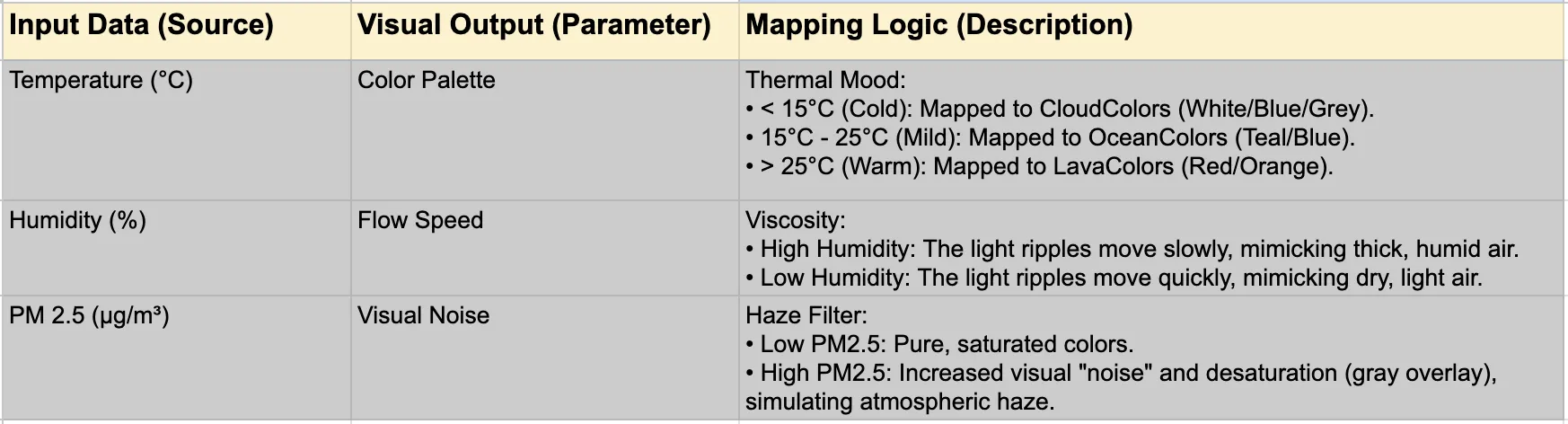
The Ambient Light Layer (LED Matrix): Driven by Remote Backyard Data via MQTT
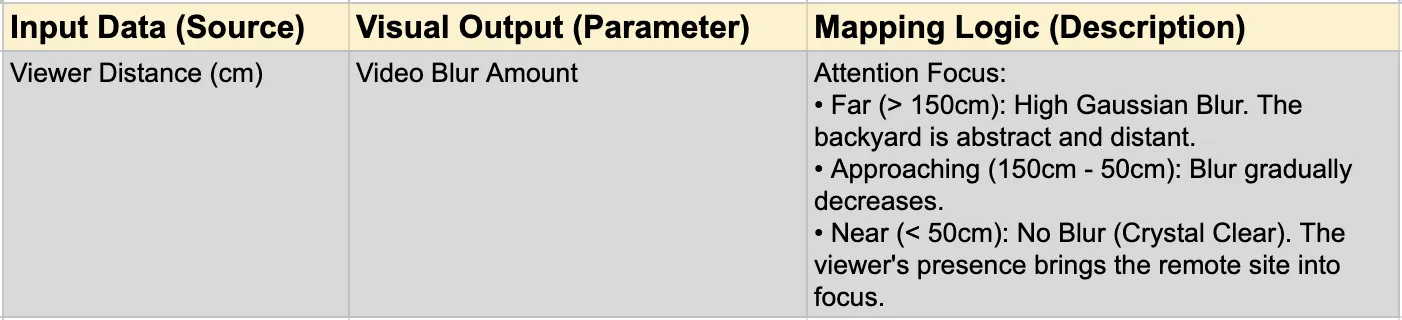
The Interaction Layer (Live Stream): Driven by Local Proximity Data via Ultrasonic Sensor
This project operates on a decentralized architecture where data collection, visualization, and interaction occur across independent systems bridged by cloud protocols and serial communication.
The code on the sender ESP32 is designed for stability and efficiency. It polls hardware sensors via UART (for PM2.5) and I2C (for BME280) protocols, packages the data, and uplinks it to the cloud.
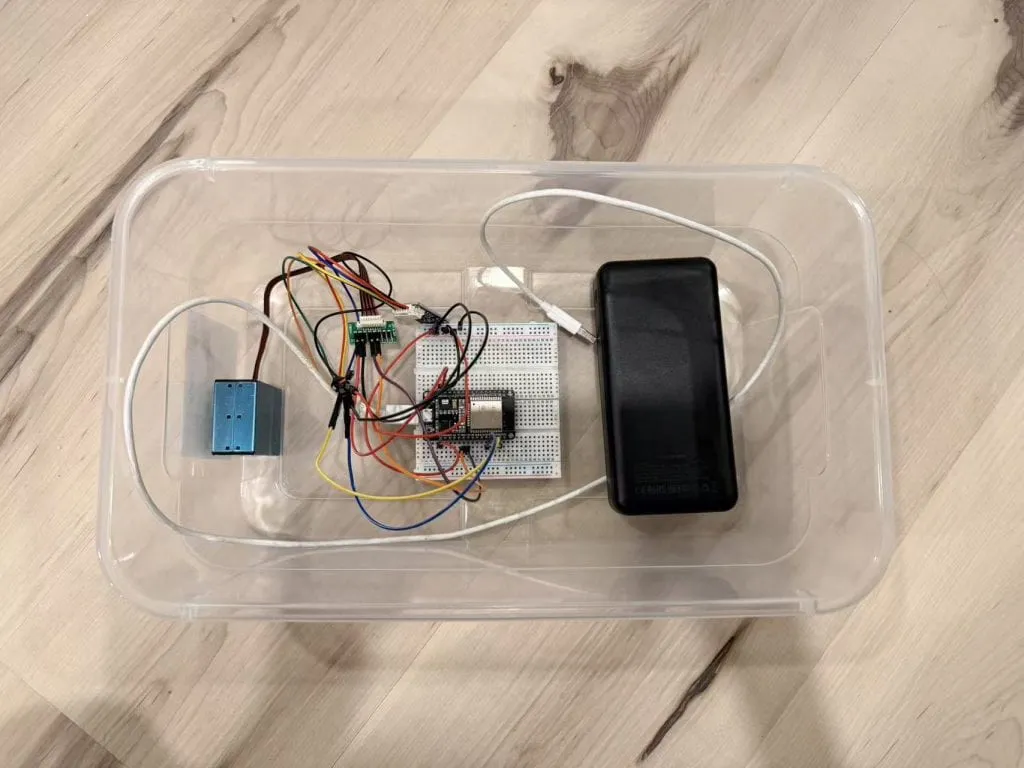
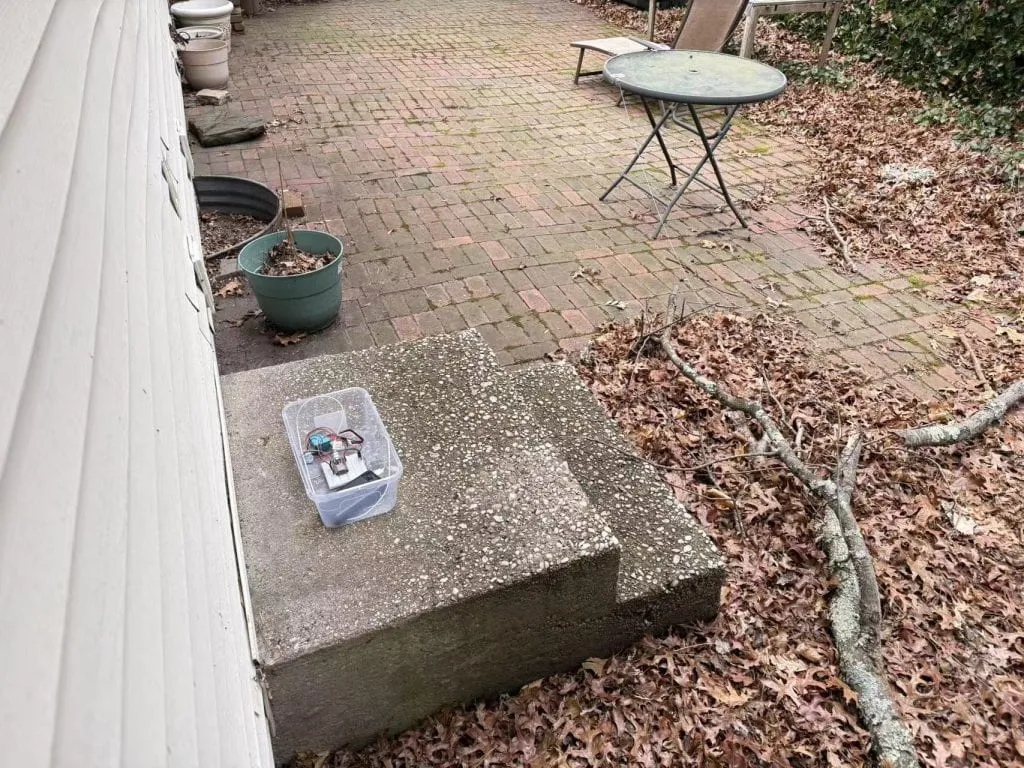
Put Arduino kit in a transparent box, then placed the box in backyard.

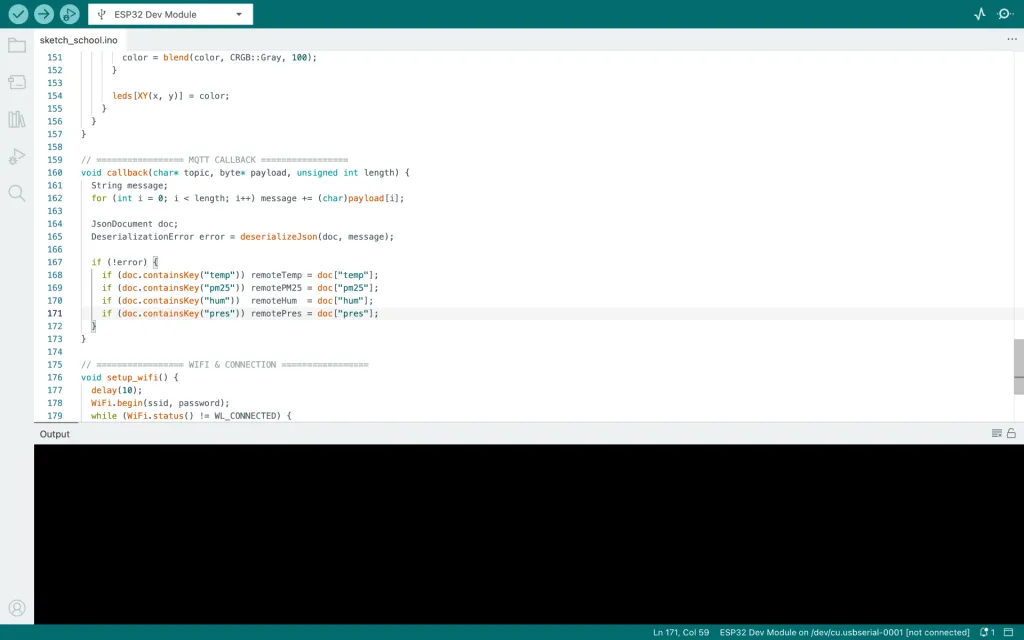
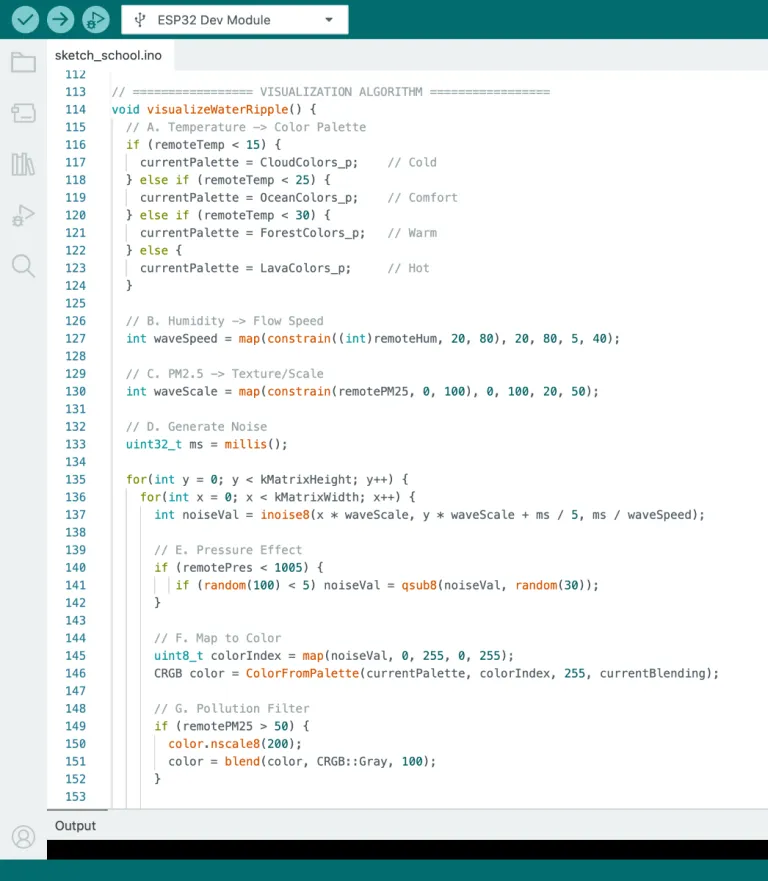
The receiver ESP32 acts as the visual engine. It does not simply display raw numbers; it translates environmental data into an organic "Water Ripple" animation using the FastLED library.
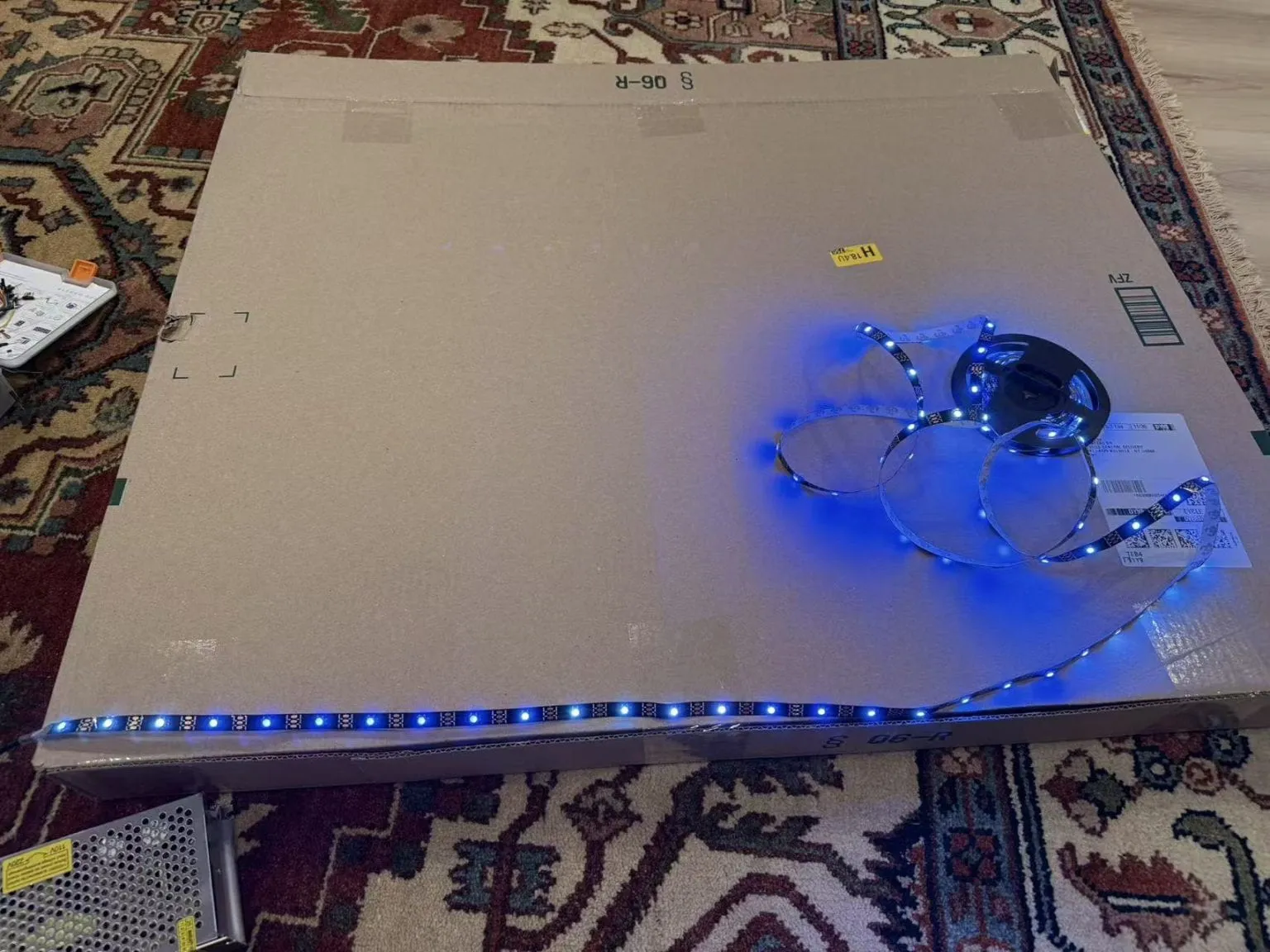

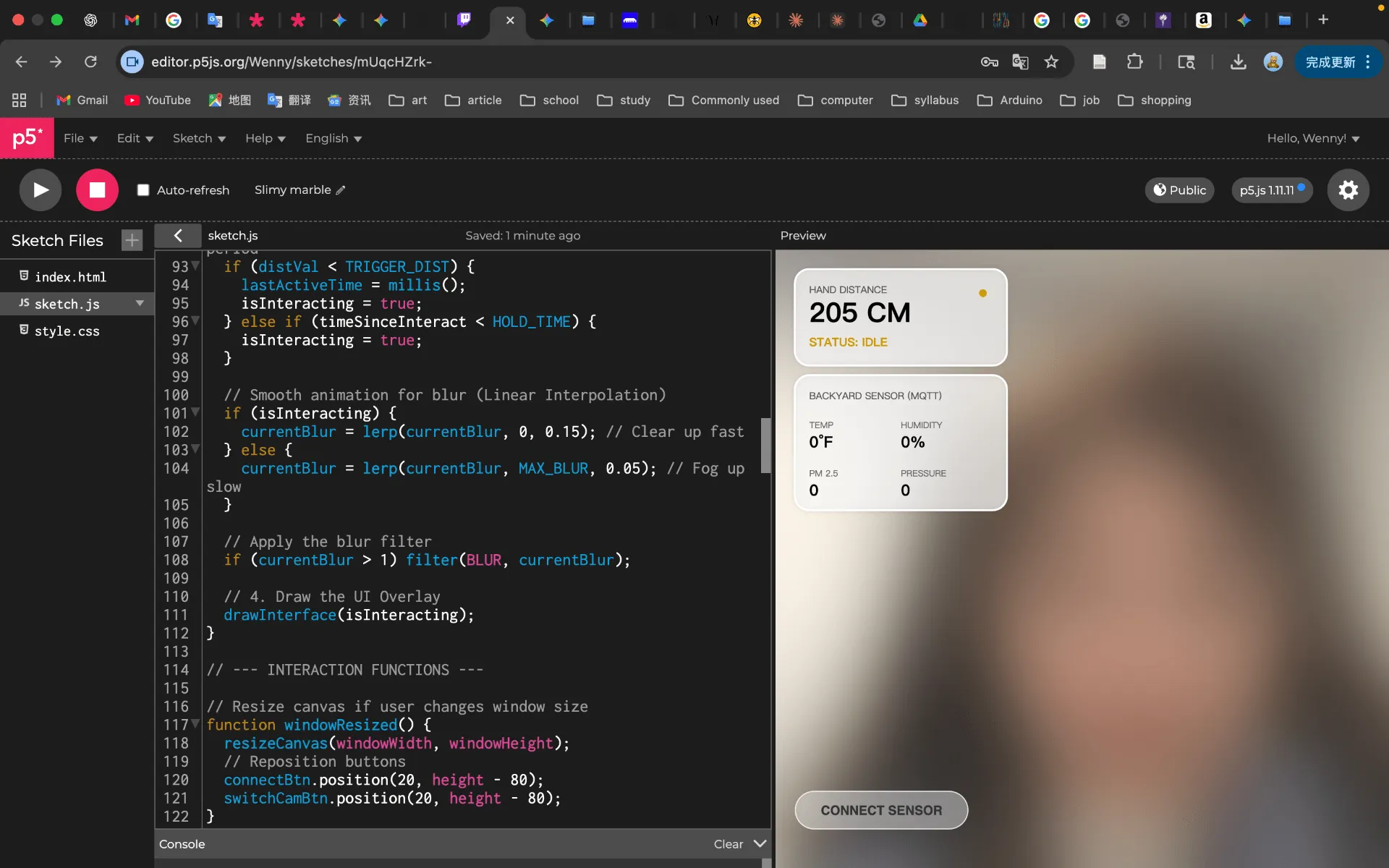
On the exhibition PC, OBS Studio captures the Twitch browser window. This acts as a stabilizer and allows for cropping/formatting the feed before it reaches the code.
p5.js link: https://editor.p5js.org/Wenny/sketches/mUqcHZrk-
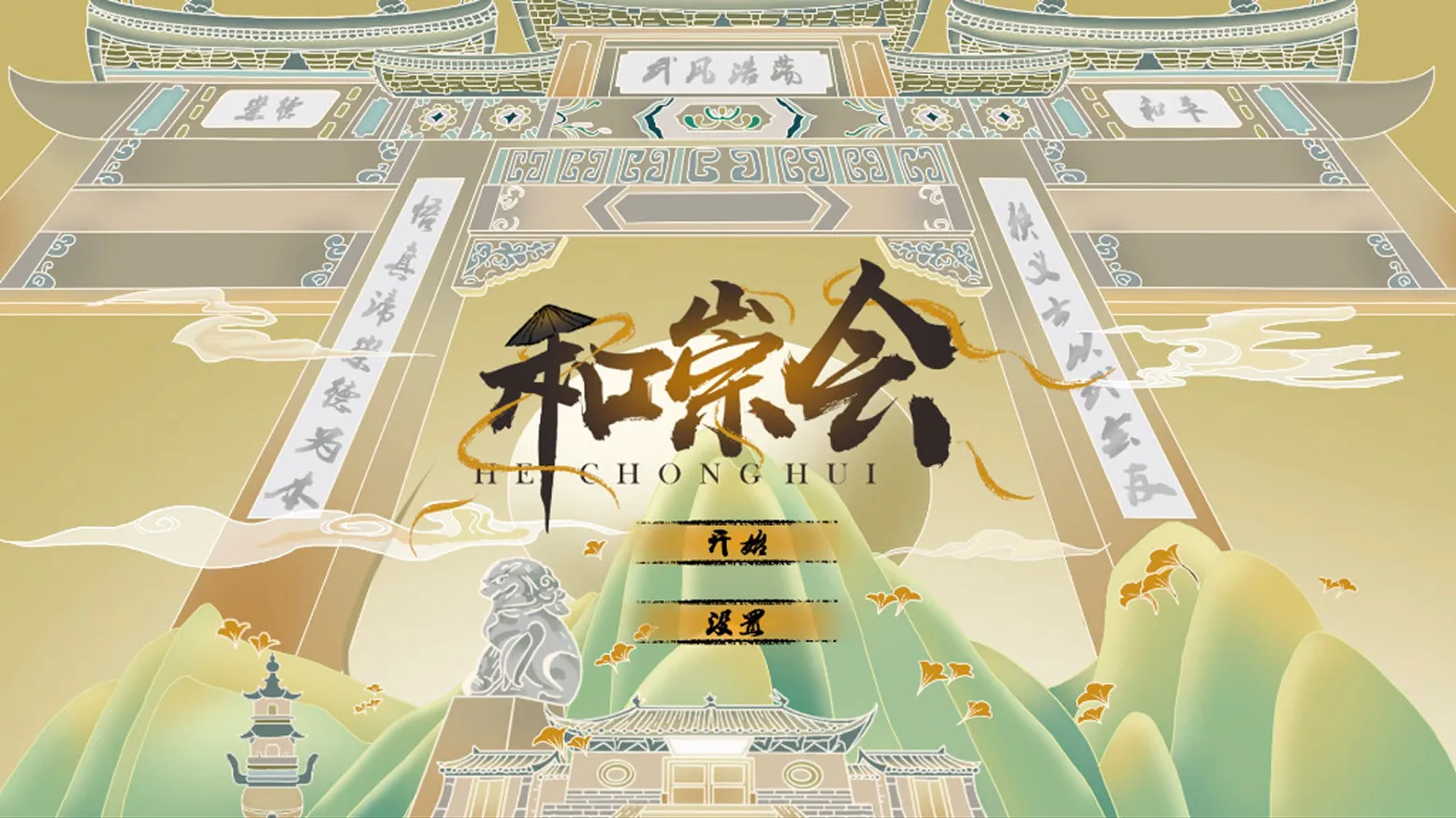
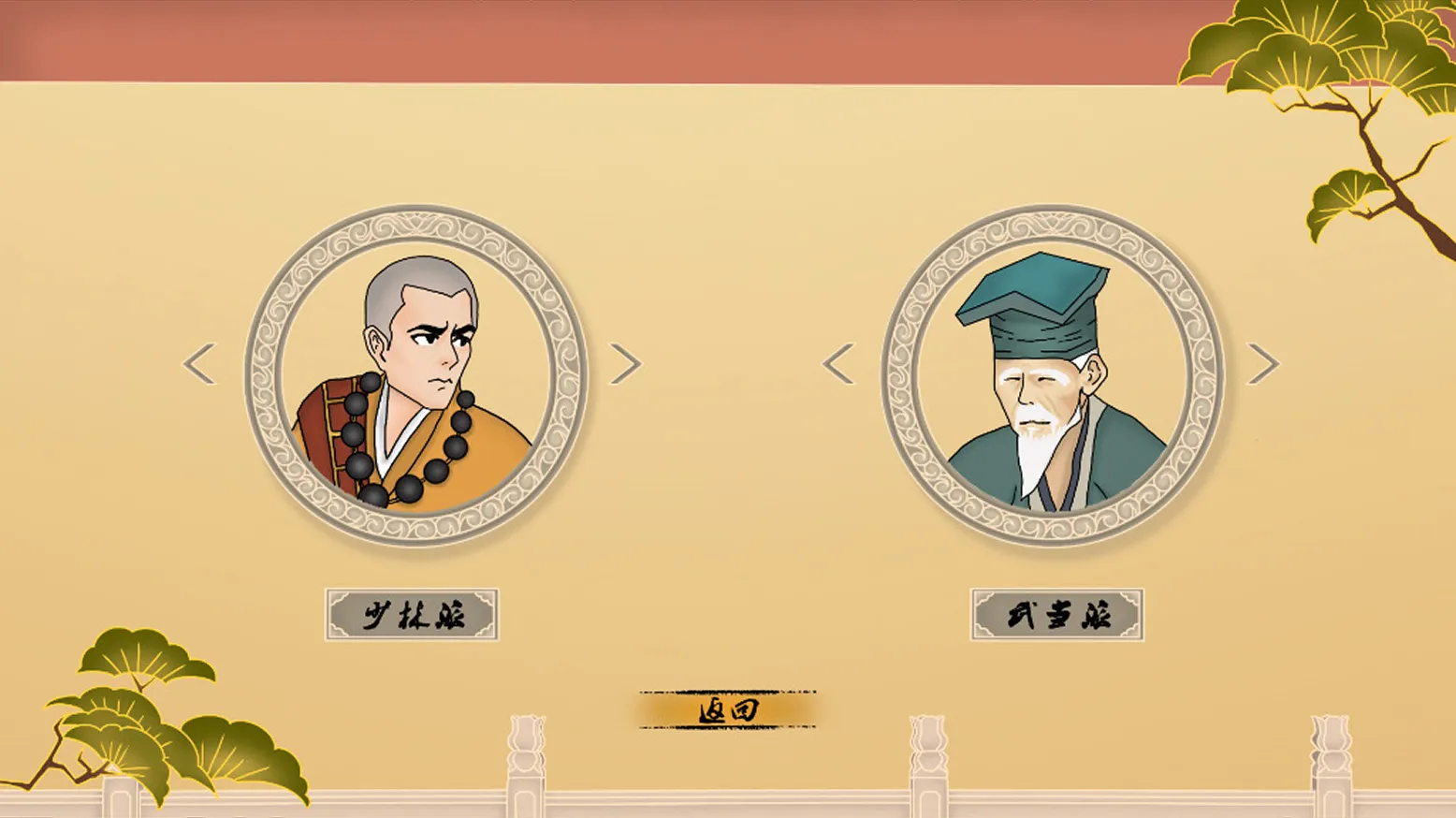
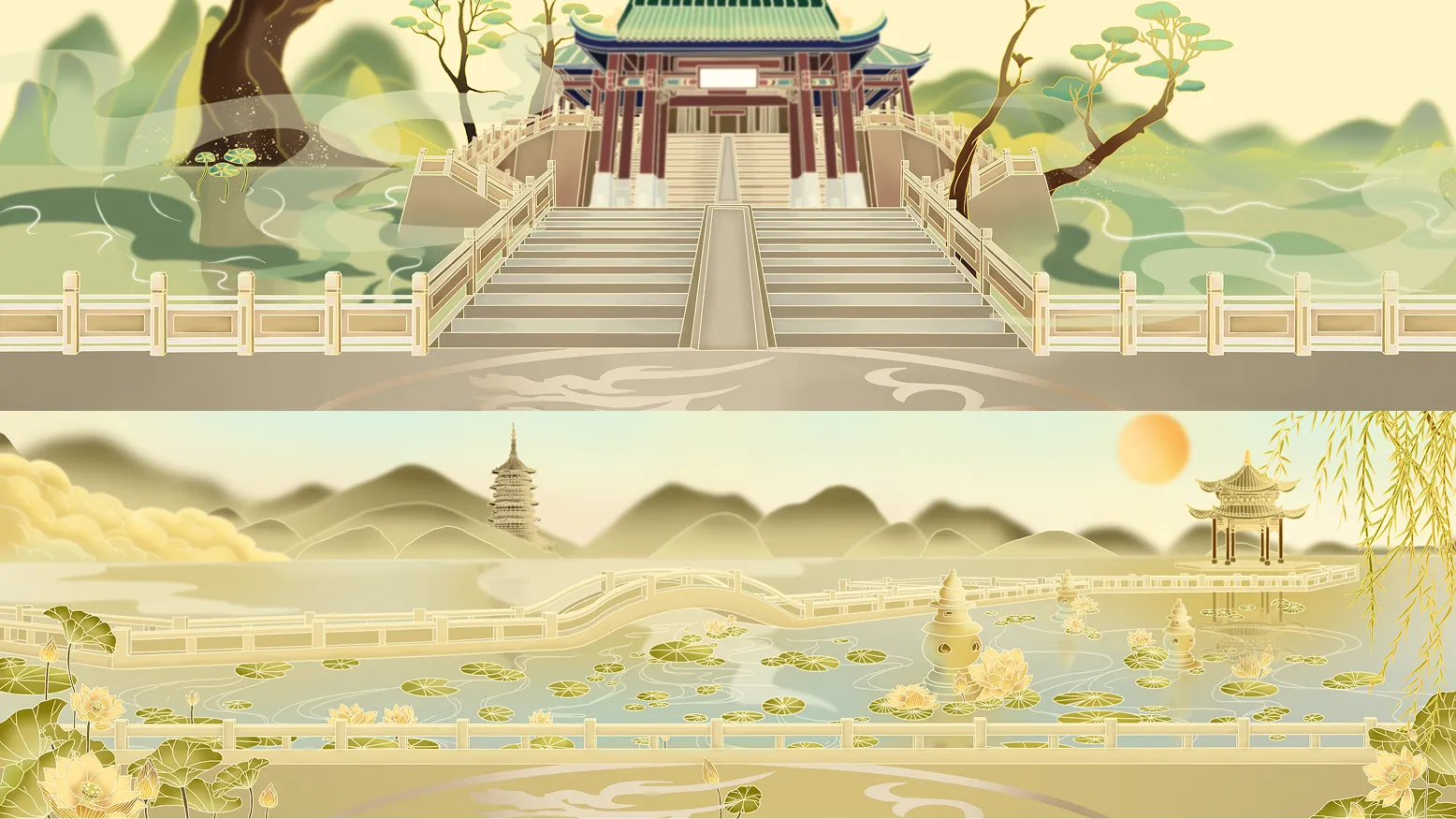
Hechonghui is a cel-shaded (NPR) 2-player fighting game developed for the Xbox platform. Rooted in traditional Chinese martial arts, the game features character designs and combat movements meticulously modeled after authentic martial arts techniques. Set during the late Qing Dynasty, the narrative explores the historical rise of various martial arts sects during a period of profound social change. The visual identity of the game is a tribute to the historic city of Hangzhou, featuring UI elements and combat arenas inspired by iconic landmarks such as West Lake and Lingyin Temple.
UI & Visual Design
Technical Art & Programming
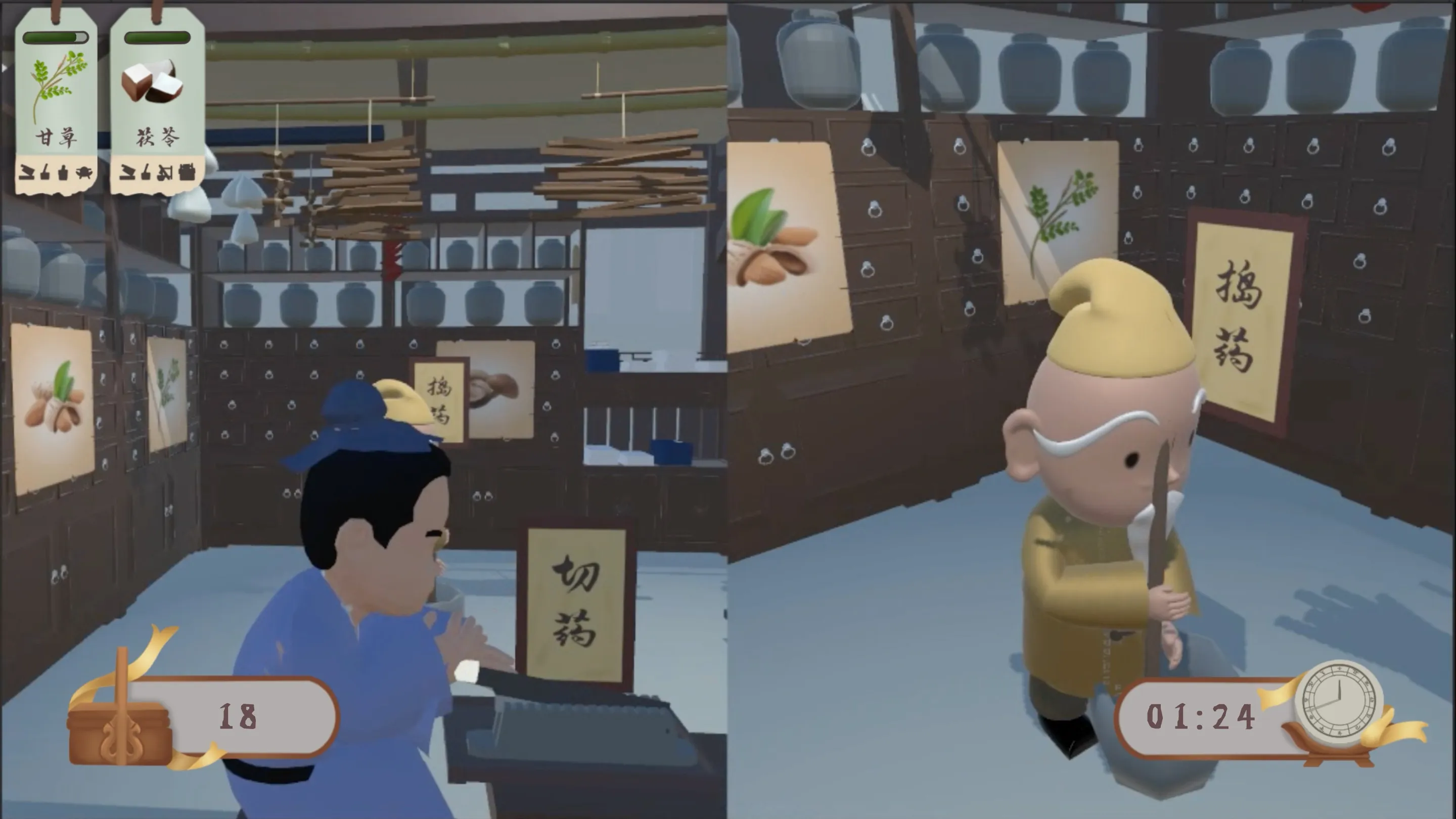
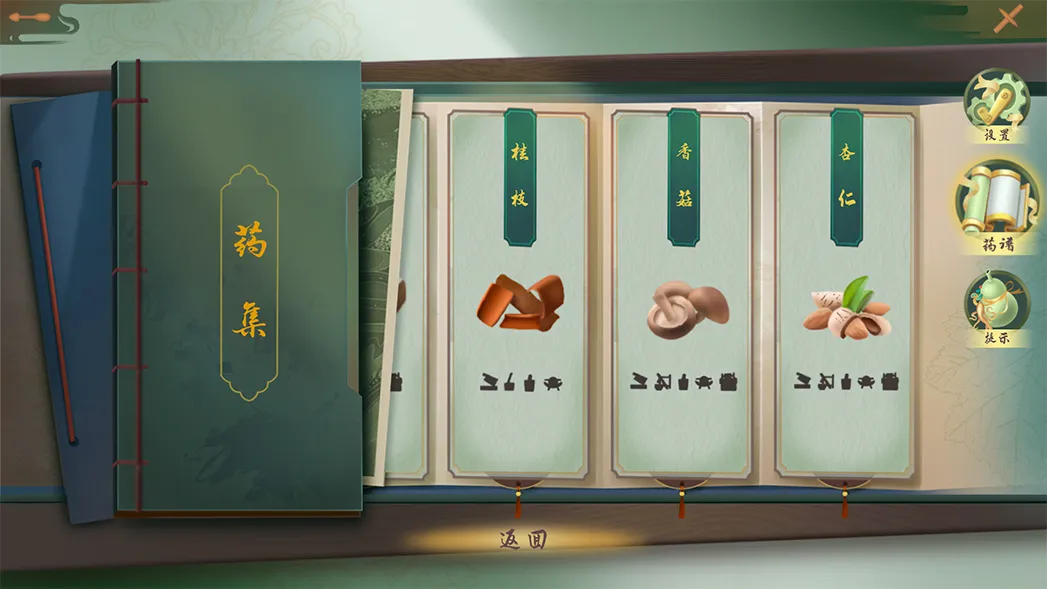
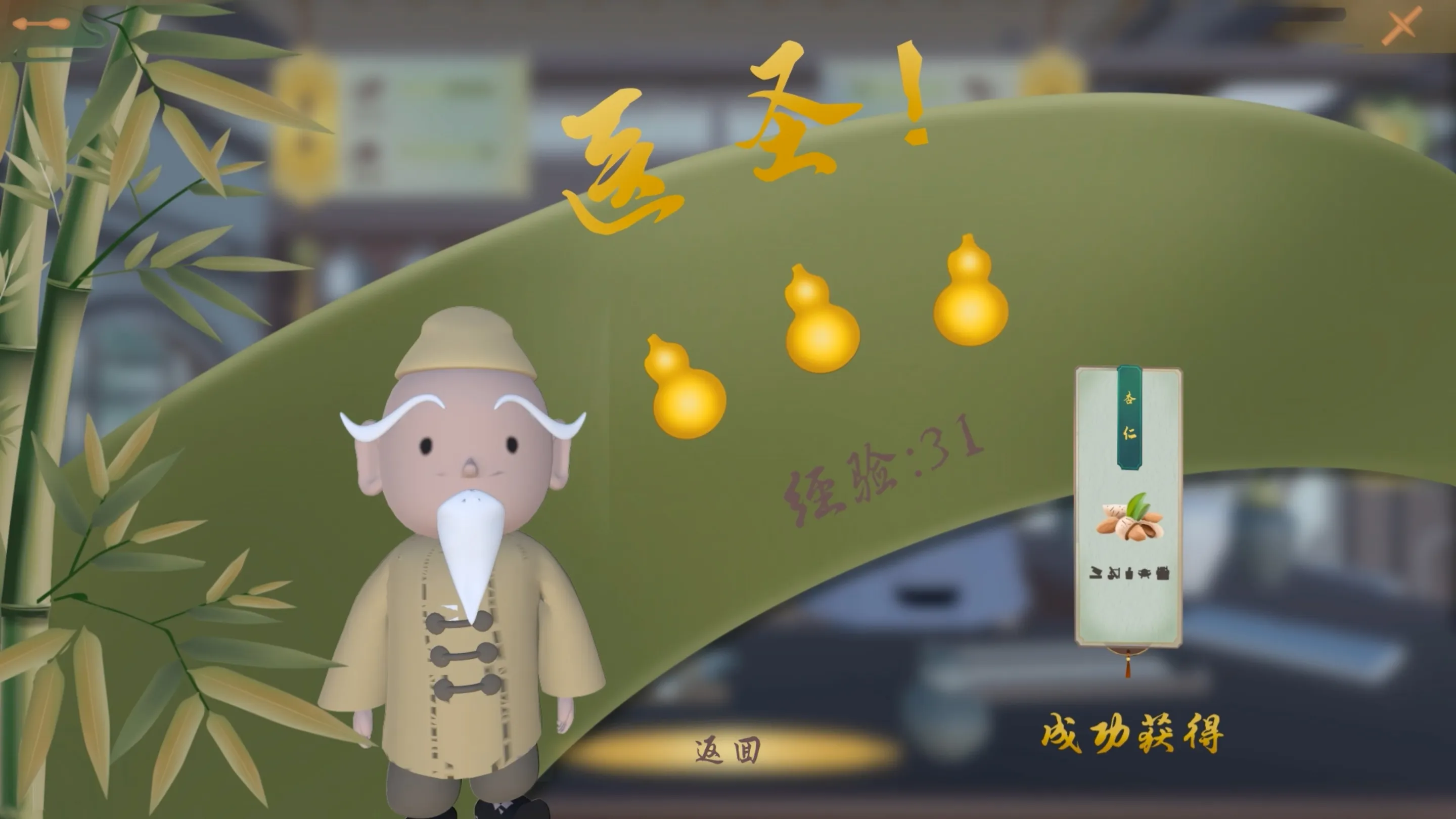
Herbal Workshop is a 3D, chibi-style, couch co-op game featuring a classic local split-screen interface. The gameplay focuses on the collaborative processing of Traditional Chinese Medicine (TCM). Players take on the roles of "Master" and "Apprentice," working together to perform tasks such as slicing, grinding, and pounding herbs to fulfill medical prescriptions under tight time constraints. The project combines frantic time-management mechanics with the rich cultural heritage of TCM processing techniques.
UI & Visual Design
Technical Art & Programming
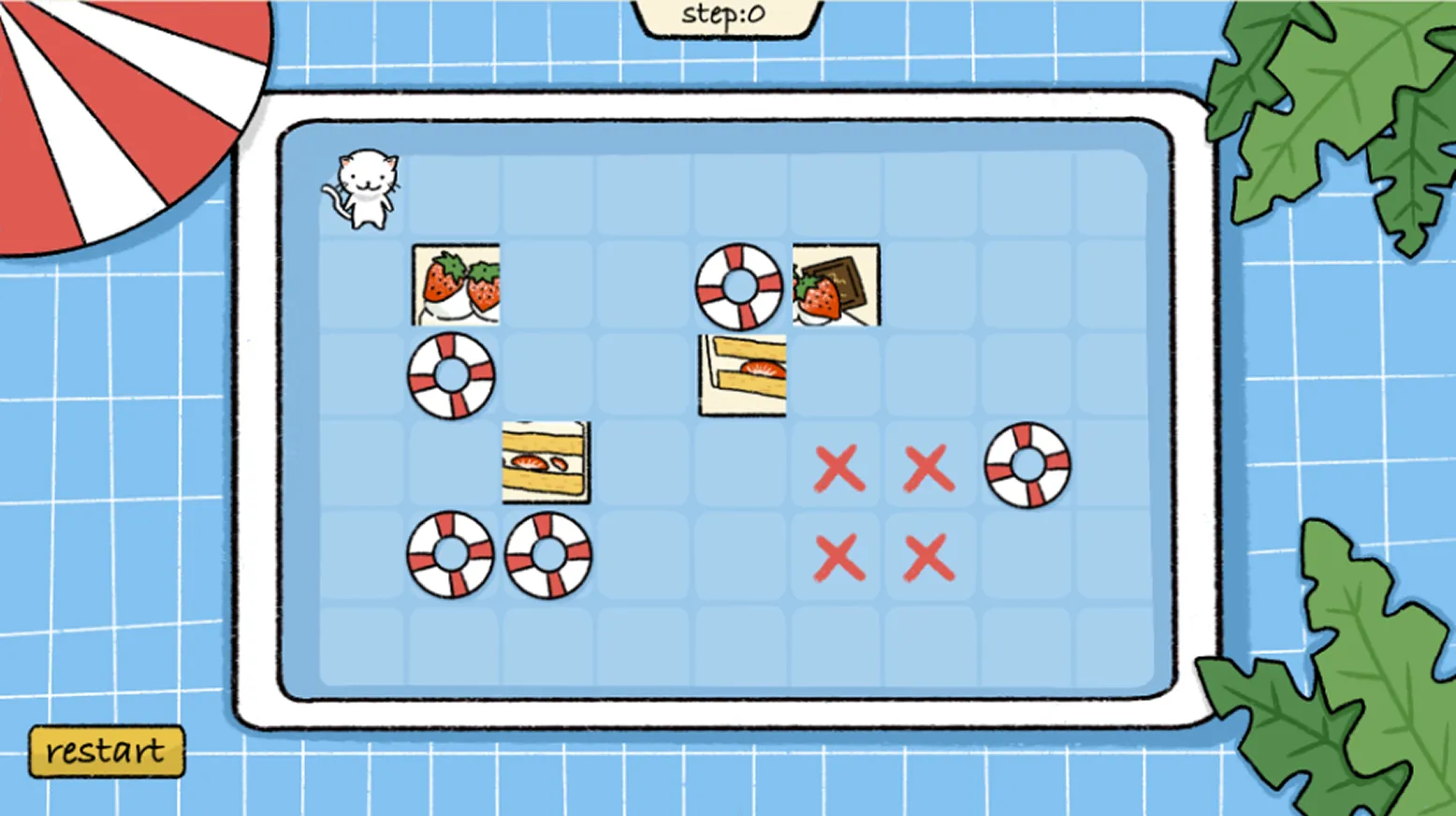
Push Puzzle is an innovative puzzle title that harmoniously blends the logic-driven mechanics of "Sokoban" with the spatial reasoning of "Jigsaw Puzzles." Featuring a charming Japanese hand-drawn aesthetic, the game follows the journey of a kitten navigating through cozy, illustrated environments. With a core loop focused on efficiency, the game includes a time-based scoring and ranking system that challenges players to optimize their pathfinding and puzzle-solving speed.
UI & Visual Design
Technical Art & Programming
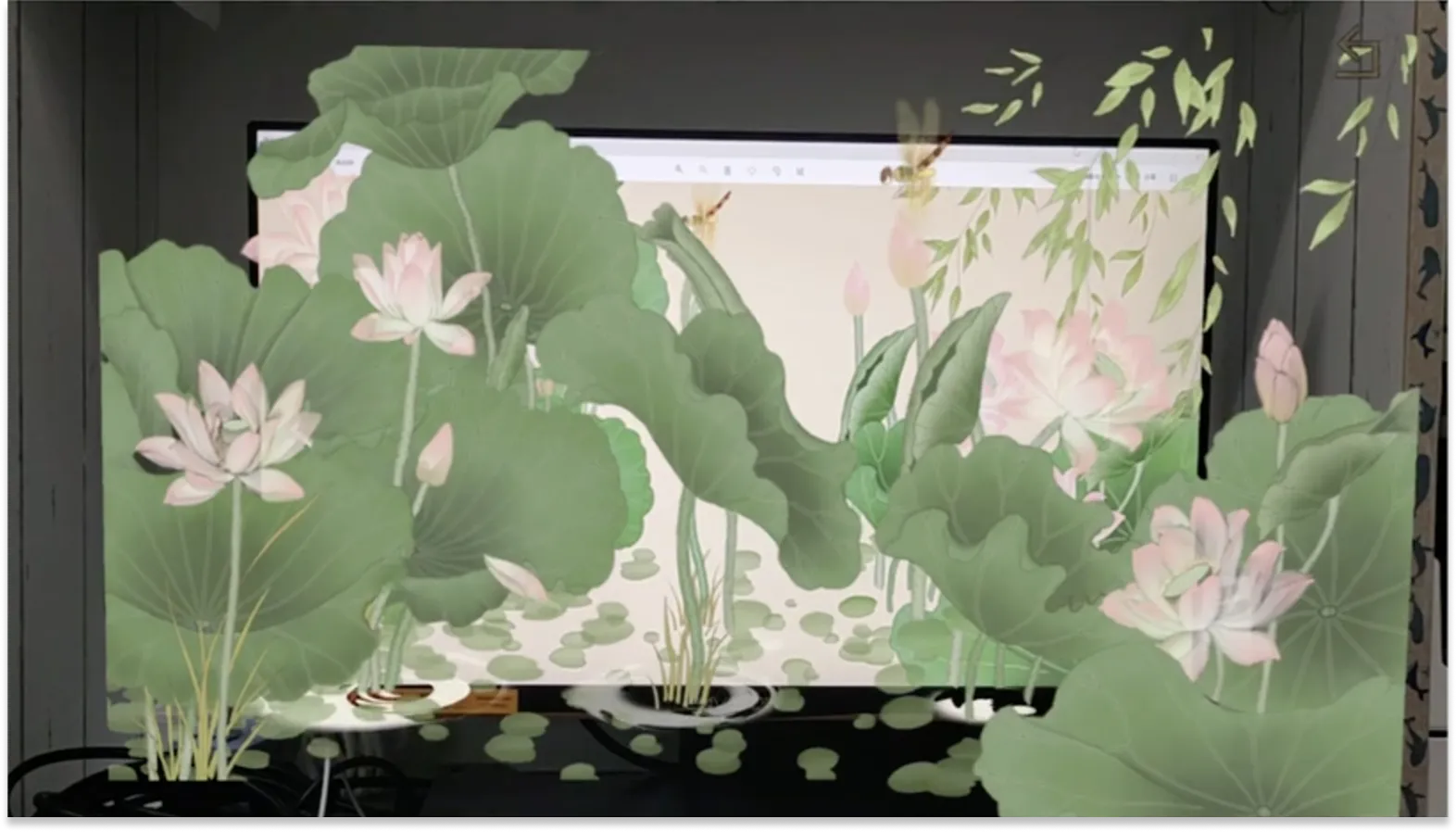
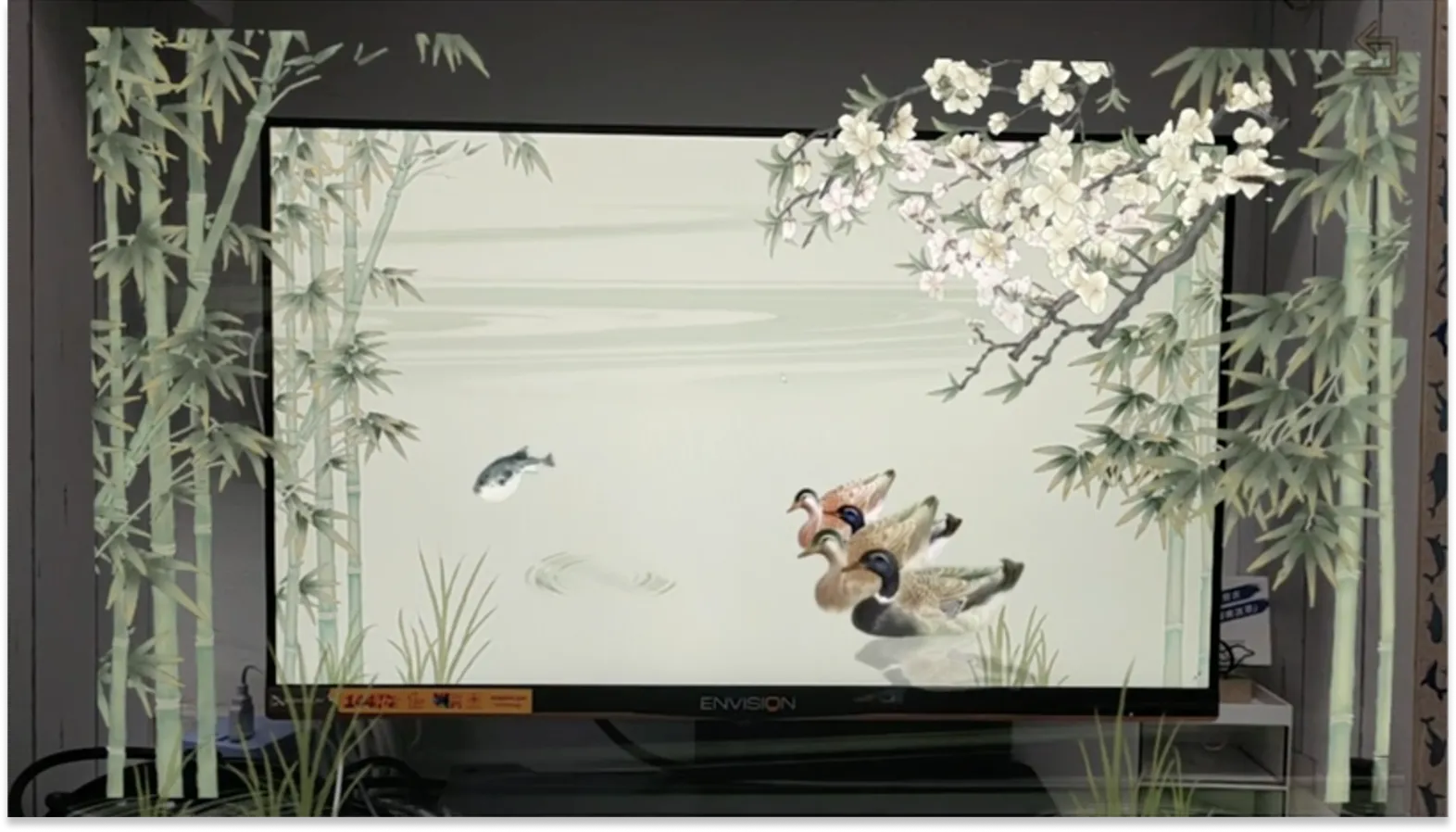
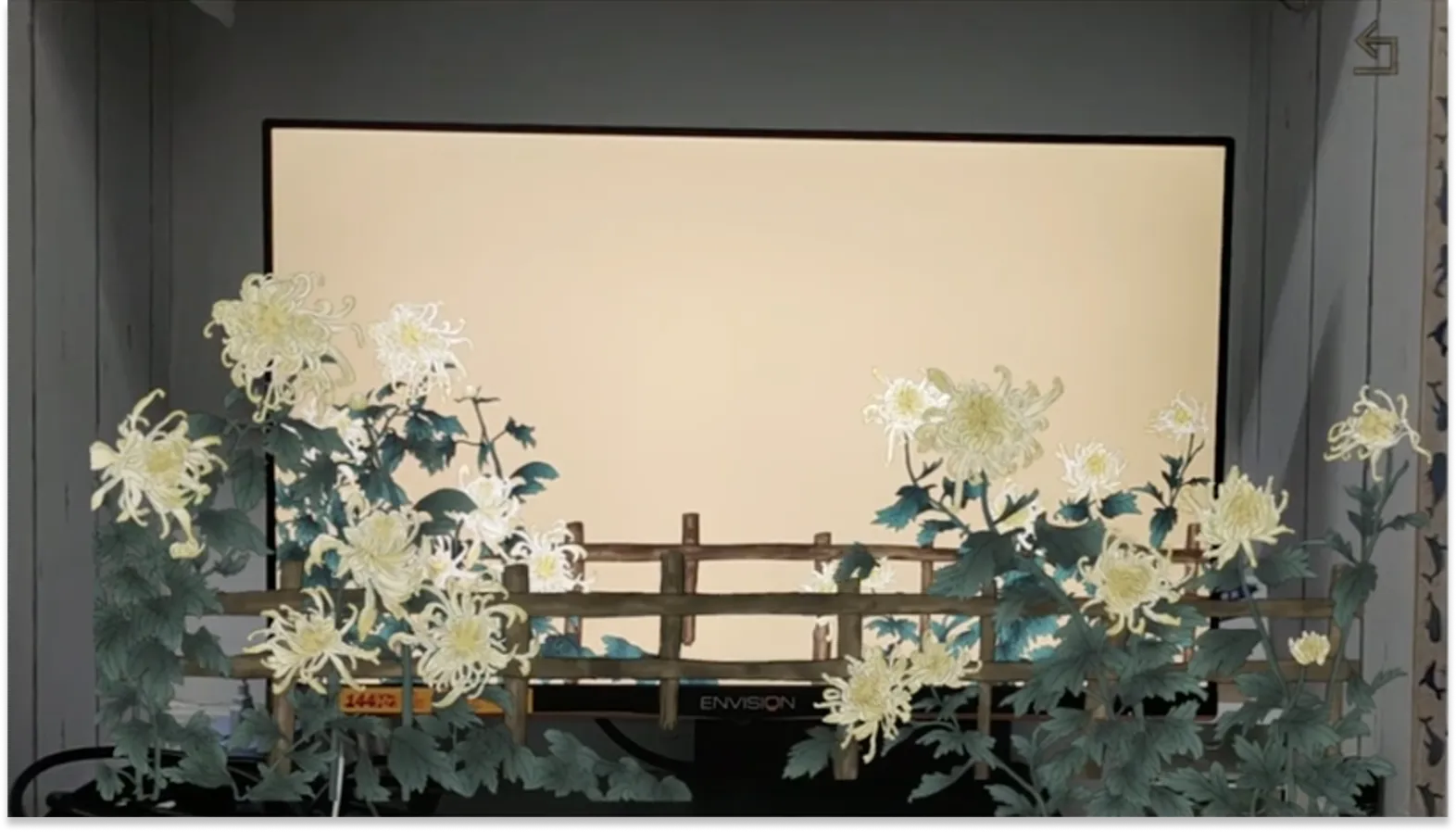
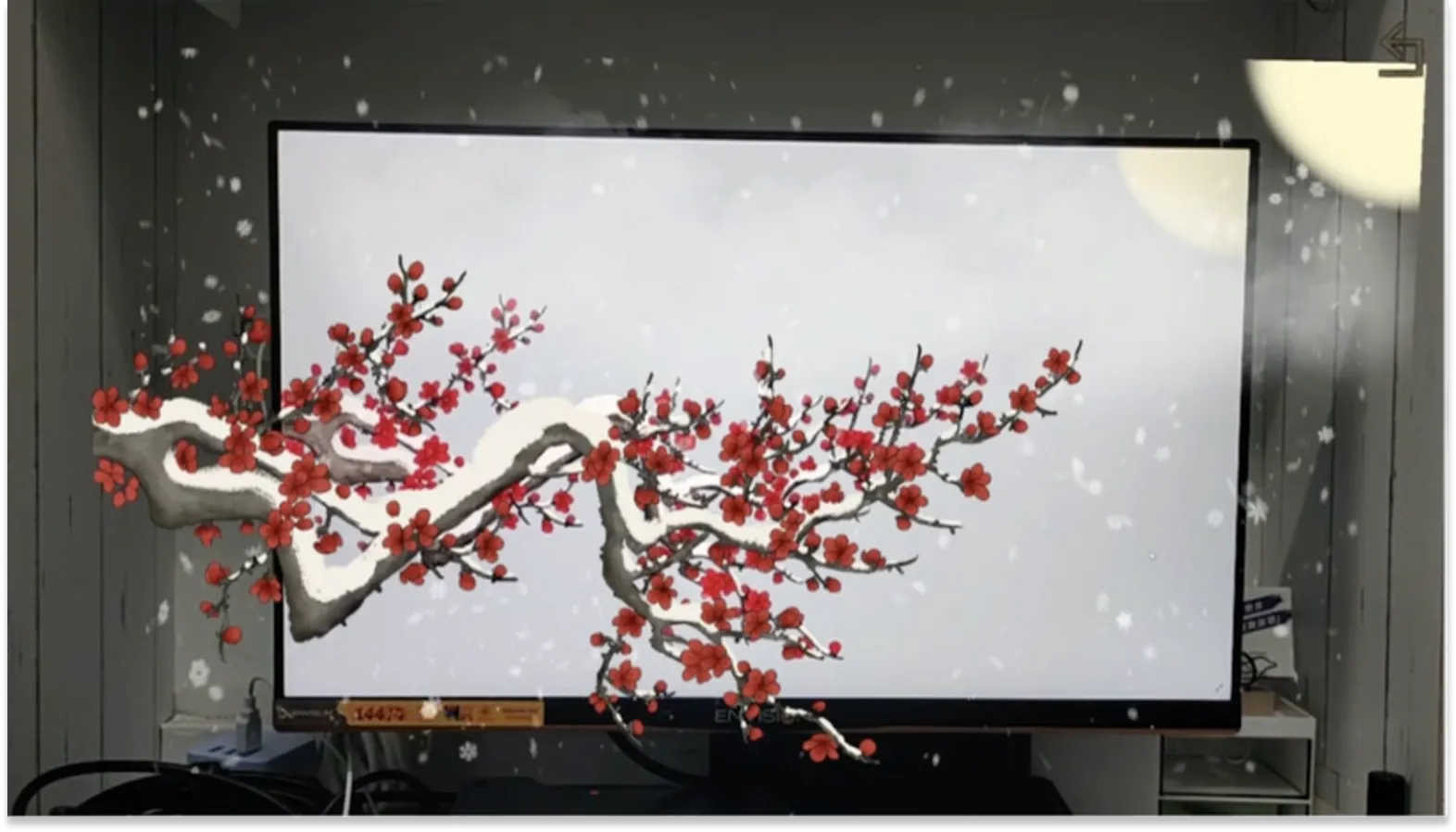
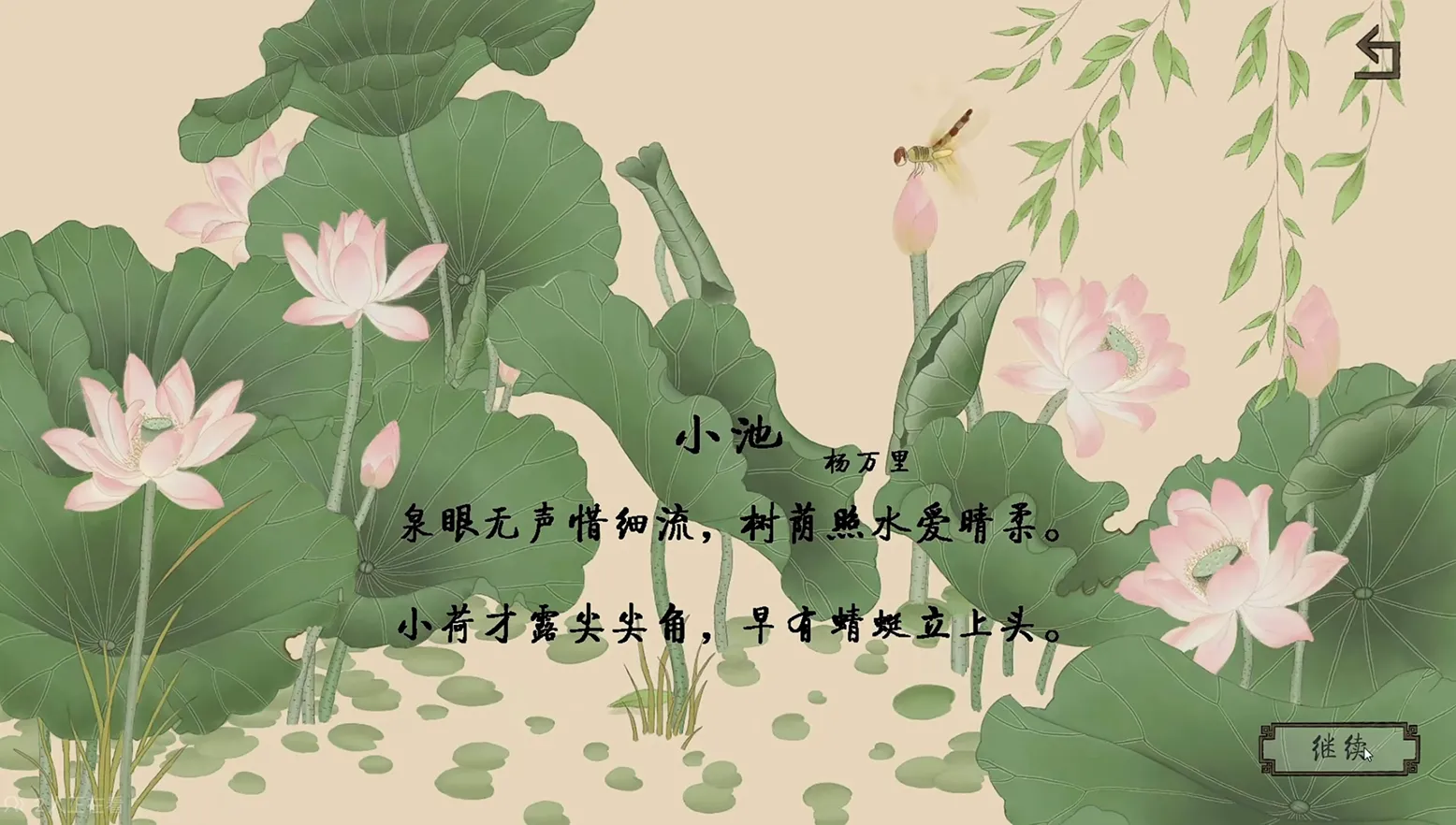
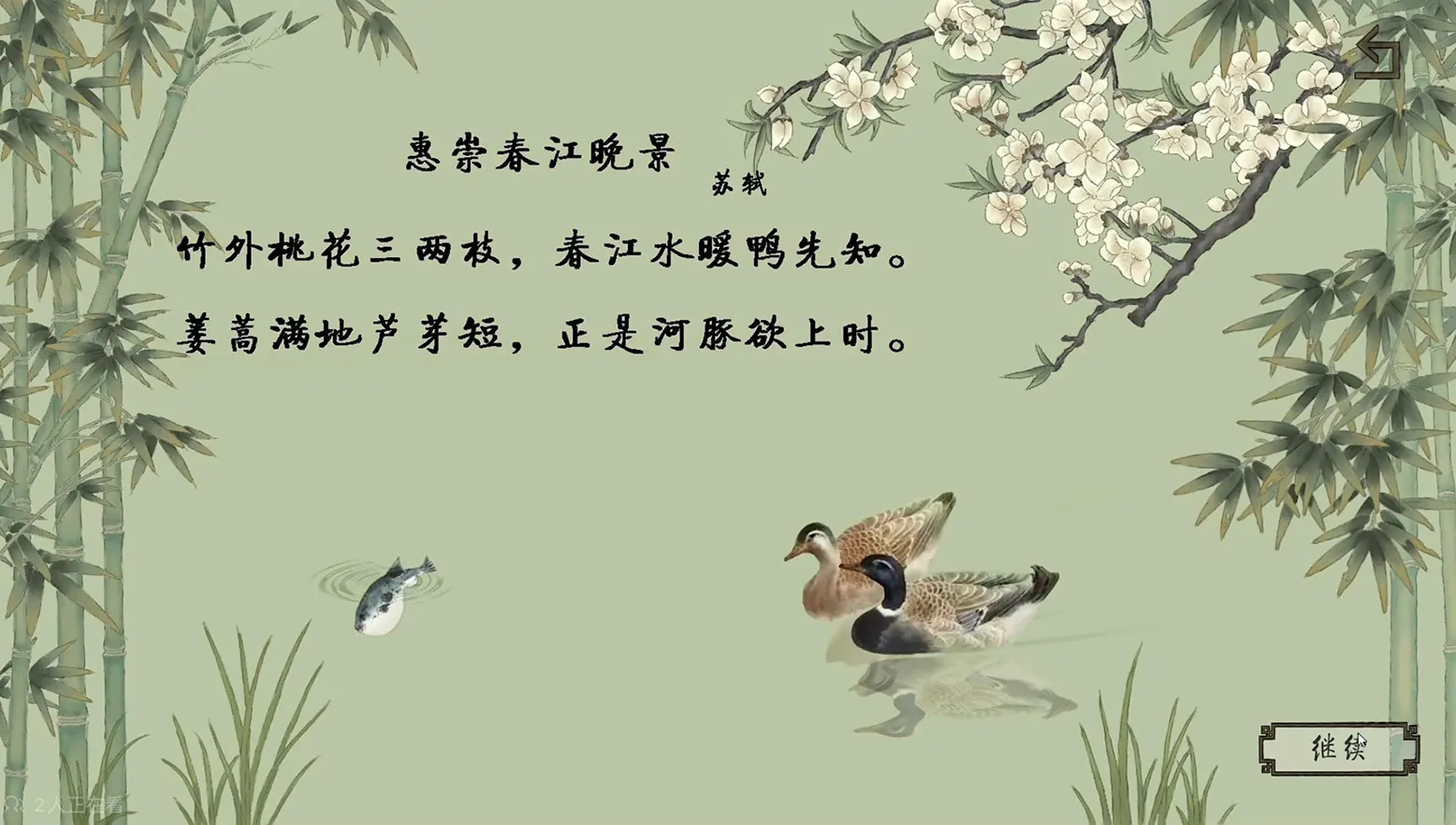
Poetic Echoes is an AR-powered educational interactive platform designed to help children and teenagers master classical Chinese poetry. To bridge the gap between abstract text and mental imagery, the system allows users to tap on specific keywords within a poem to trigger animated landscapes, the evolution of pictographs, or informative cards about historical artifacts. As the interaction progresses, a complete visual representation of the poem is assembled. Finally, users can scan the completed artwork with their smartphones to experience the poetic world in 3D through Augmented Reality.
UI & Visual Design
Technical Art & Programming